

10 Effective Tips to Lose Weight in 30 Days: A Practical Guide
Embarking on a 30-day weight loss journey can be both exciting and challenging. While significant, sustainable fat loss takes time, making focused changes over a month can kickstart your progress, build healthy habits, and lead to noticeable results. This guide provides 10 effective, science-backed tips to help you lose weight safely and successfully in 30 days.
1. Create a Sustainable Calorie Deficit
The foundation of weight loss is simple: you must consume fewer calories than your body burns. This is known as a calorie deficit.
- How to do it: Use an online calculator to estimate your daily maintenance calories (TDEE). Aim to consume 300-500 calories less than this number each day.
- Why it’s effective: A moderate deficit promotes fat loss without causing extreme hunger or muscle loss. Drastic calorie cuts can backfire, slowing your metabolism and being unsustainable.
2. Prioritize High-Quality Protein
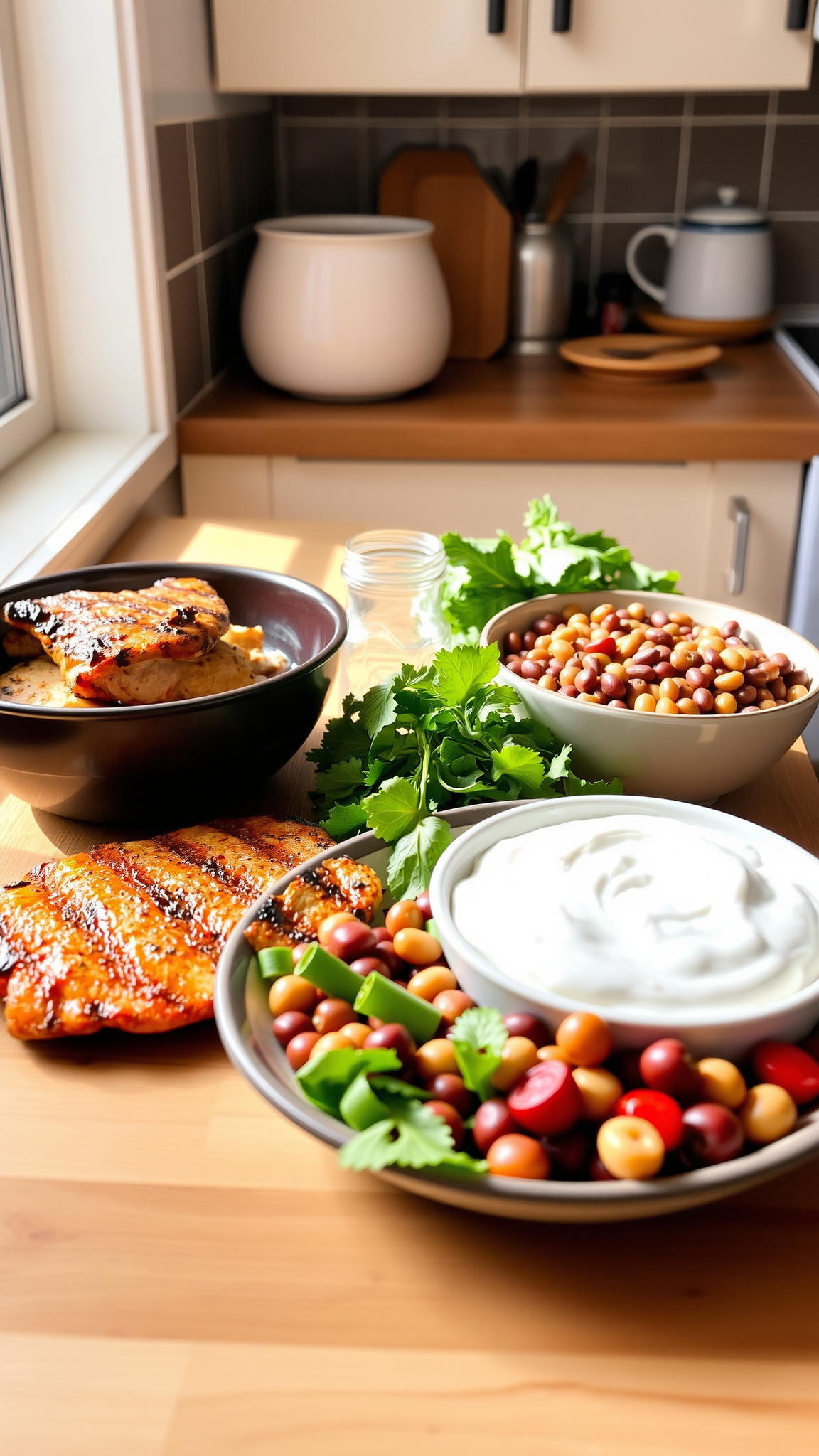
Protein is a weight-loss powerhouse. It is the most satiating macronutrient, meaning it helps you feel full and satisfied for longer, reducing overall calorie intake.
- How to do it: Include a source of lean protein in every meal. Think chicken breast, fish, eggs, tofu, legumes, and Greek yogurt.
- Why it’s effective: Protein helps preserve lean muscle mass while you’re in a calorie deficit and slightly boosts your metabolism through the thermic effect of food (TEF).
3. Hydrate, Hydrate, Hydrate
Water is essential for every bodily function, including metabolism. Sometimes, our brains mistake thirst for hunger.
- How to do it: Aim to drink at least 8-10 glasses (about 2-3 liters) of water per day. A great tip is to drink a full glass of water 20 minutes before each meal.
- Why it’s effective: Staying hydrated boosts metabolism, helps your body flush out waste, and can significantly reduce your appetite, preventing you from consuming unnecessary calories.

4. Embrace Whole, Unprocessed Foods
Focus on foods that are as close to their natural state as possible. These are nutrient-dense, meaning they pack more vitamins and minerals per calorie.
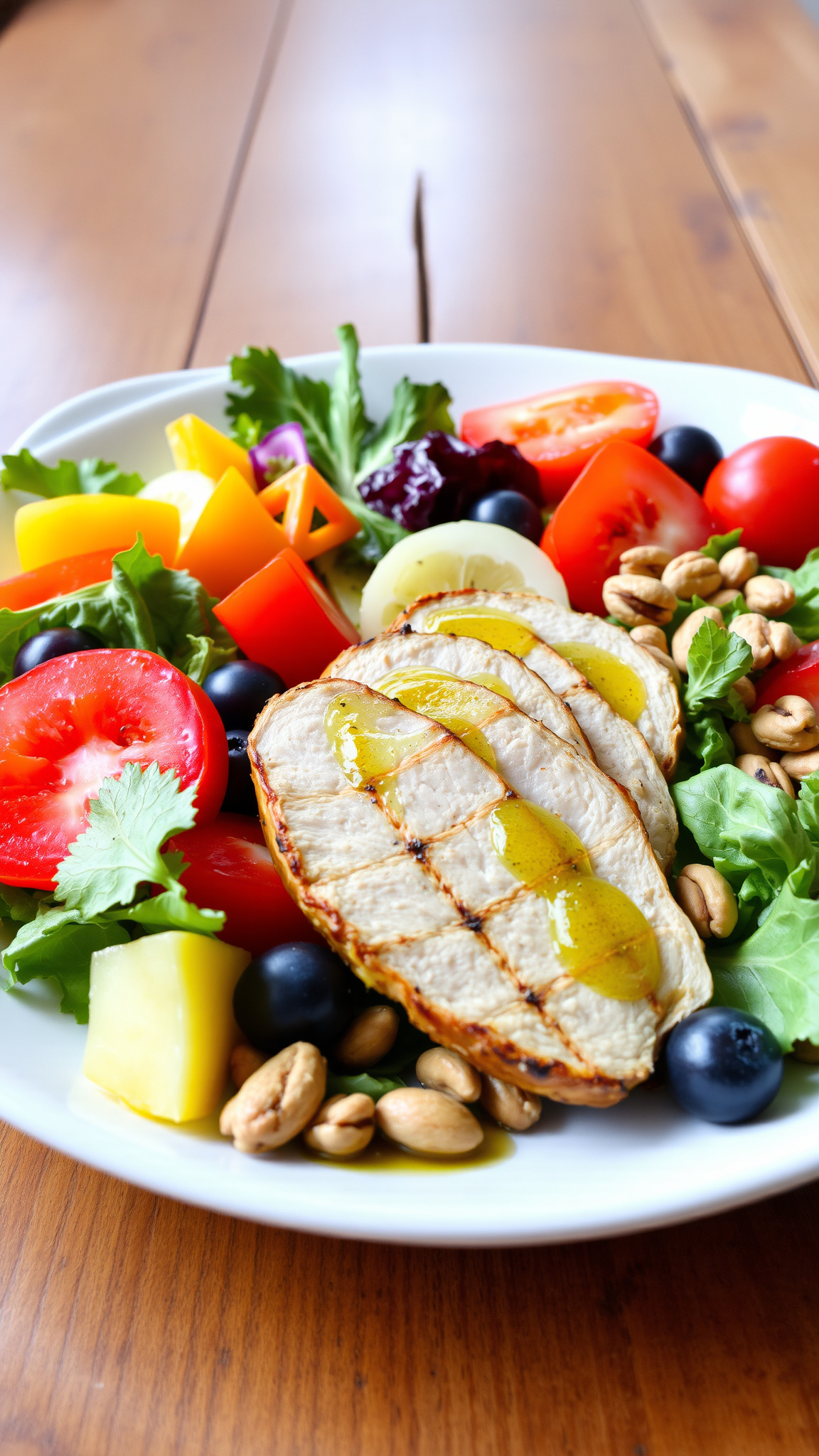
- What to eat: Fill your plate with vegetables, fruits, lean proteins, and healthy fats (like avocado, nuts, and olive oil).
- What to limit: Highly processed foods, fast food, sugary snacks, and refined grains (white bread, pasta) are often high in calories and low in nutrients, leading to blood sugar spikes and cravings.
5. Move Your Body Daily
You cannot out-exercise a bad diet, but exercise is a crucial component of a 30-day weight loss plan.
- How to do it: Aim for at least 150 minutes of moderate-intensity cardio (like brisk walking, jogging, or cycling) per week.
- Don’t forget strength: Incorporate strength training 2-3 times per week. Building muscle increases your resting metabolic rate, meaning you burn more calories even when you’re not exercising.

6. Get Serious About Sleep
Sleep is the most underrated tool for weight loss. Poor sleep wreaks havoc on the hormones that control hunger and appetite.
- How to do it: Aim for 7-9 hours of quality, uninterrupted sleep per night. Create a relaxing bedtime routine and limit screen time before bed.
- Why it’s effective: Good sleep regulates ghrelin (the hunger hormone) and leptin (the satiety hormone). When you’re sleep-deprived, ghrelin levels spike, and leptin levels fall, making you hungrier and less satisfied by the food you eat.
7. Practice Mindful Eating & Portion Control
Mindful eating is the practice of paying full attention to your food and the experience of eating.
- How to do it:
- Eat slowly and chew your food thoroughly.
- Sit at a table without distractions (no TV or phone).
- Listen to your body’s hunger and fullness cues.
- Why it’s effective: It takes about 20 minutes for your brain to register that you’re full. Eating slowly and mindfully prevents overeating and helps you build a healthier relationship with food.
8. Drastically Reduce Liquid Calories
It’s easy to drink hundreds of calories without even realizing it. These calories do not provide the same feeling of fullness as solid food.
- What to cut: Sodas, sugary fruit juices, specialty coffees (lattes, mochas), and alcohol.
- Why it’s effective: Cutting these out is one of the fastest ways to reduce your overall calorie intake and “save” those calories for nutritious, filling meals.
9. Limit Refined Carbs and Added Sugars
Refined carbohydrates (like white bread, pastries, and white rice) and added sugars cause rapid spikes and crashes in your blood sugar.
- How to do it: Swap refined carbs for complex carbs like quinoa, brown rice, oats, and sweet potatoes. Read labels to spot hidden added sugars in sauces, dressings, and packaged foods.
- Why it’s effective: Stable blood sugar levels mean more stable energy and, most importantly, fewer intense cravings for sugary or high-carb foods.
10. Stay Consistent and Track Your Progress
Motivation fades, but habits and consistency are what deliver results. A 30-day plan is all about building a routine.
- How to do it: Track more than just the scale. Take progress photos, measure your waist, and note how your clothes fit. Pay attention to non-scale victories, like having more energy or sleeping better.
- Why it’s effective: Focusing on these other metrics can keep you motivated, even if the scale doesn’t move every single day. This positive reinforcement is key to long-term success.
Frequently Asked Questions (FAQ)
Q: How much weight can I realistically lose in 30 days?
A safe, sustainable, and realistic goal is to lose 1-2 pounds (0.5 to 1 kg) per week. Over 30 days, this amounts to a total loss of 4-8 pounds. While some may lose more (especially in the first week due to water weight), faster loss often involves losing muscle and is harder to maintain.
Q: Do I need to cut out all carbs to lose weight?
No. You do not need to cut out all carbohydrates. The key is to choose the right type of carbs. Focus on complex carbohydrates (from vegetables, fruits, and whole grains) that provide fiber and nutrients, and limit refined carbs and added sugars.
Q: What is the best exercise for weight loss? A: The best exercise is the one you enjoy and will do consistently. A combination of cardiovascular exercise (to burn calories) and strength training (to build metabolism-boosting muscle) is ideal for fat loss.
Conclusion
Losing weight in 30 days is an achievable goal that can serve as a powerful foundation for a new, healthier lifestyle. The key isn’t a perfect month; it’s consistency. Focus on making small, intelligent changes every day. By prioritizing a sensible calorie deficit, whole foods, hydration, movement, and sleep, you’ll not only see changes on the scale but also feel more energetic and in control of your health.


