

7-Day Meal Plan for Gestational Diabetes
Receiving a gestational diabetes diagnosis can feel overwhelming, but managing it is often simpler than you might think. The main goal is to keep your blood sugar levels stable throughout the day. This is achieved by managing your carbohydrate intake, not by eliminating carbs entirely.
This 7-day meal plan is designed to help you get started. It focuses on nutrient-dense whole foods, balancing complex carbohydrates with lean proteins and healthy fats. This combination helps slow down the absorption of sugar into your bloodstream, promoting steady energy and stable glucose readings.
Understanding the Basics of a Gestational Diabetes Diet
Before jumping into the plan, let’s cover three key principles that make this approach effective.
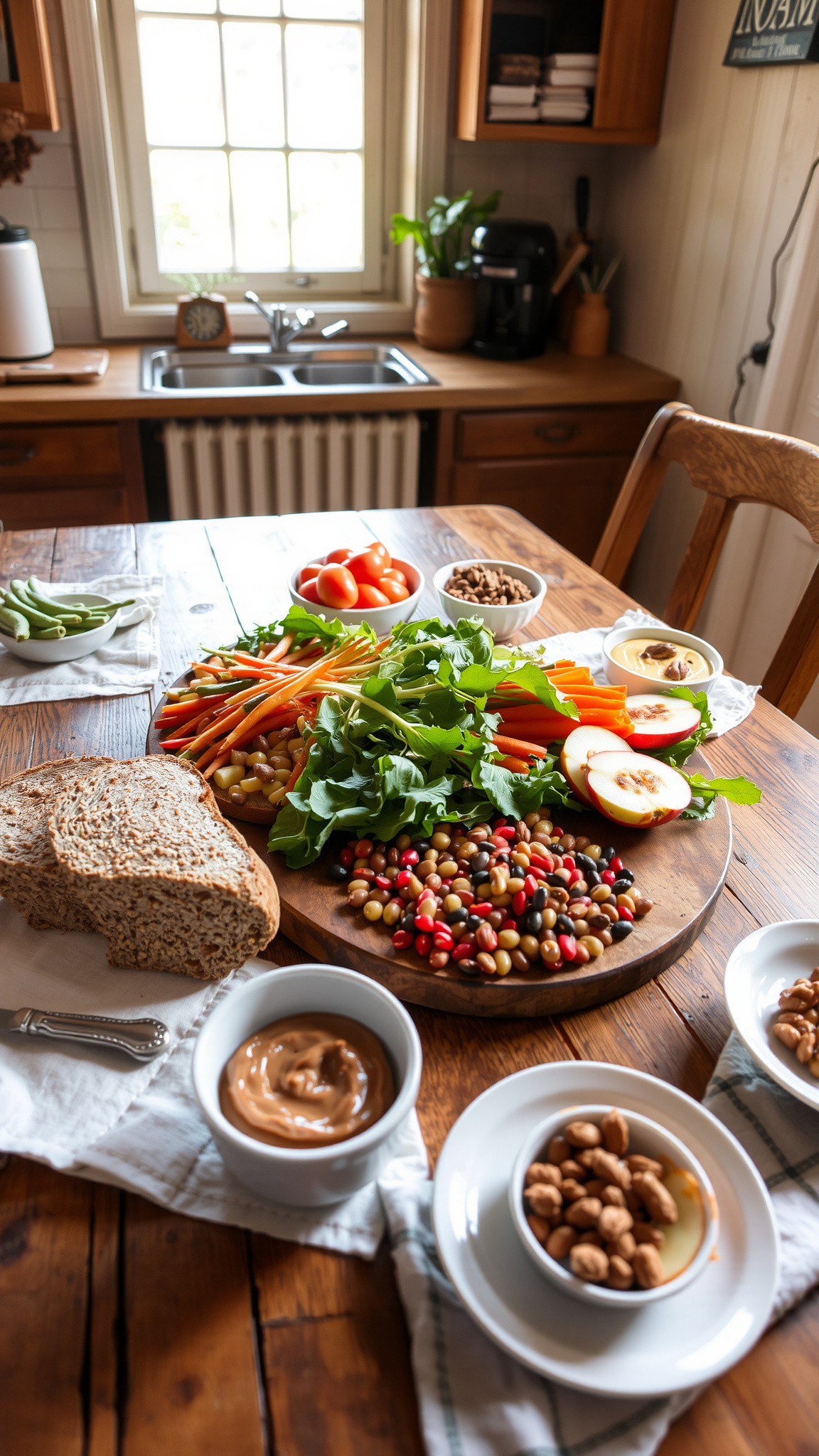
- Consistent Carbohydrates: The goal is not “no carbs,” but “smart carbs.” You will want to choose complex carbohydrates, which are high in fiber, like whole grains, vegetables, and legumes. These take longer to digest. Spreading them out evenly across your meals and snacks is crucial.
- Pair Protein and Fat: Never eat a “naked” carb. Adding protein and healthy fat to a meal or snack helps slow down digestion. For example, instead of just an apple, have an apple with peanut butter.
- Eat Regularly: Eating three main meals and two to three snacks at consistent times each day prevents your blood sugar from dropping too low or spiking too high. Do not skip meals, especially breakfast.
A Sample 7-Day Meal Plan
This plan is a template. Portions are important, so you may need to adjust them based on the specific guidance from your doctor or dietitian.
Day 1
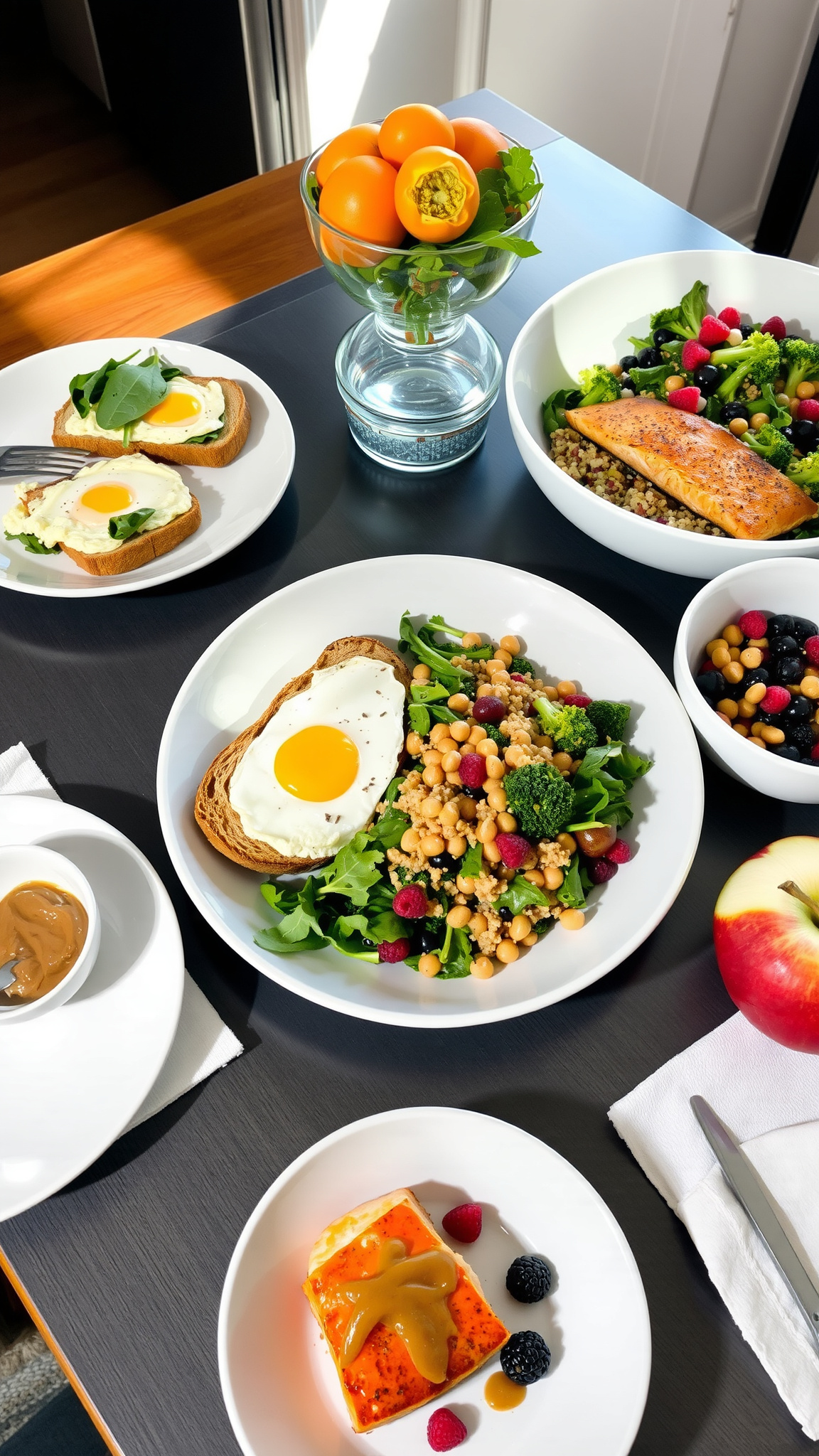
- Breakfast: 2 scrambled eggs with spinach and 1 slice of whole-wheat toast topped with 1/4 avocado.
- Lunch: Grilled chicken salad with mixed greens, cucumber, tomatoes, and an olive-oil vinaigrette. Add 1/2 cup of chickpeas for fiber and complex carbs.
- Dinner: Baked salmon, 1/2 cup of quinoa, and a large serving of steamed broccoli.
- Snacks: 1/2 cup Greek yogurt with a few berries; a small handful of almonds.
Day 2
- Breakfast: 1/2 cup rolled oats (not instant) cooked with water or milk, topped with a tablespoon of walnuts and 1/2 cup of berries.
- Lunch: Leftover salmon and quinoa from the previous night.
- Dinner: Turkey meatballs (with no breadcrumb filler) served with zucchini noodles and 1/2 cup of whole-wheat pasta with a no-sugar-added marinara sauce.
- Snacks: An apple with 2 tablespoons of peanut butter; one or two hard-boiled eggs.
Day 3
- Breakfast: A high-fiber, whole-grain cereal (check the label for low sugar) with unsweetened milk or a milk alternative. Pair with a hard-boiled egg on the side for protein.
- Lunch: Tuna salad made with Greek yogurt instead of mayonnaise, served in large lettuce wraps. Have with a side of 10-15 whole-grain crackers.
- Dinner: Simple chicken and vegetable stir-fry (use broccoli, bell peppers, and snow peas) with 1/2 cup of brown rice. Use low-sodium tamari or coconut aminos.
- Snacks: 1/2 cup cottage cheese with sliced tomato and black pepper; a small pear and a stick of string cheese.
Day 4
- Breakfast: Smoothie made with 1/2 cup plain Greek yogurt, a large handful of spinach, 1/2 small banana, and a tablespoon of almond butter.
- Lunch: Large salad with mixed greens, leftover chicken from the stir-fry, and a sprinkle of black beans and corn. Use a vinaigrette dressing.
- Dinner: Lean beef or lentil chili (ensure it’s bean-heavy) topped with a small amount of shredded cheese or avocado.
- Snacks: Celery sticks with cream cheese; a small handful of walnuts.
Day 5
- Breakfast: 1 slice of whole-wheat toast topped with 1/2 avocado and two “everything bagel” seasoned eggs.
- Lunch: Quinoa bowl with 1/2 cup quinoa, 1/2 cup black beans, chopped bell peppers, and salsa.
- Dinner: Roasted chicken breast with a small roasted sweet potato and a generous portion of roasted green beans.
- Snacks: 1/2 cup Greek yogurt; a handful of pecans.
Day 6
- Breakfast: 1/2 cup cottage cheese with 1/2 cup of melon and a sprinkle of chia seeds.
- Lunch: Leftover roasted chicken wrapped in a low-carb, whole-wheat tortilla with lettuce, tomato, and hummus.
- Dinner: “Bunless” burger. A beef or turkey patty on a large lettuce leaf with tomato, onion, and a side salad. Serve with 1/2 cup of oven-baked potato wedges.
- Snacks: Sliced cucumber with 1/4 cup hummus; string cheese.
Day 7
- Breakfast: 1/2 cup oatmeal with 1 tablespoon flax seeds. Have 1-2 hard-boiled eggs on the side.
- Lunch: “Kitchen sink” salad. Use any leftover protein (chicken, beef) and vegetables from the week on a bed of mixed greens.
- Dinner: Sheet pan meal. Smoked sausage (check for no added sugar) or tofu, broccoli, and bell peppers tossed in olive oil and roasted. Serve with 1/2 cup brown rice.
- Snacks: Apple slices with almond butter; 1/2 cup berries with a small handful of almonds.
Important Tips for Success
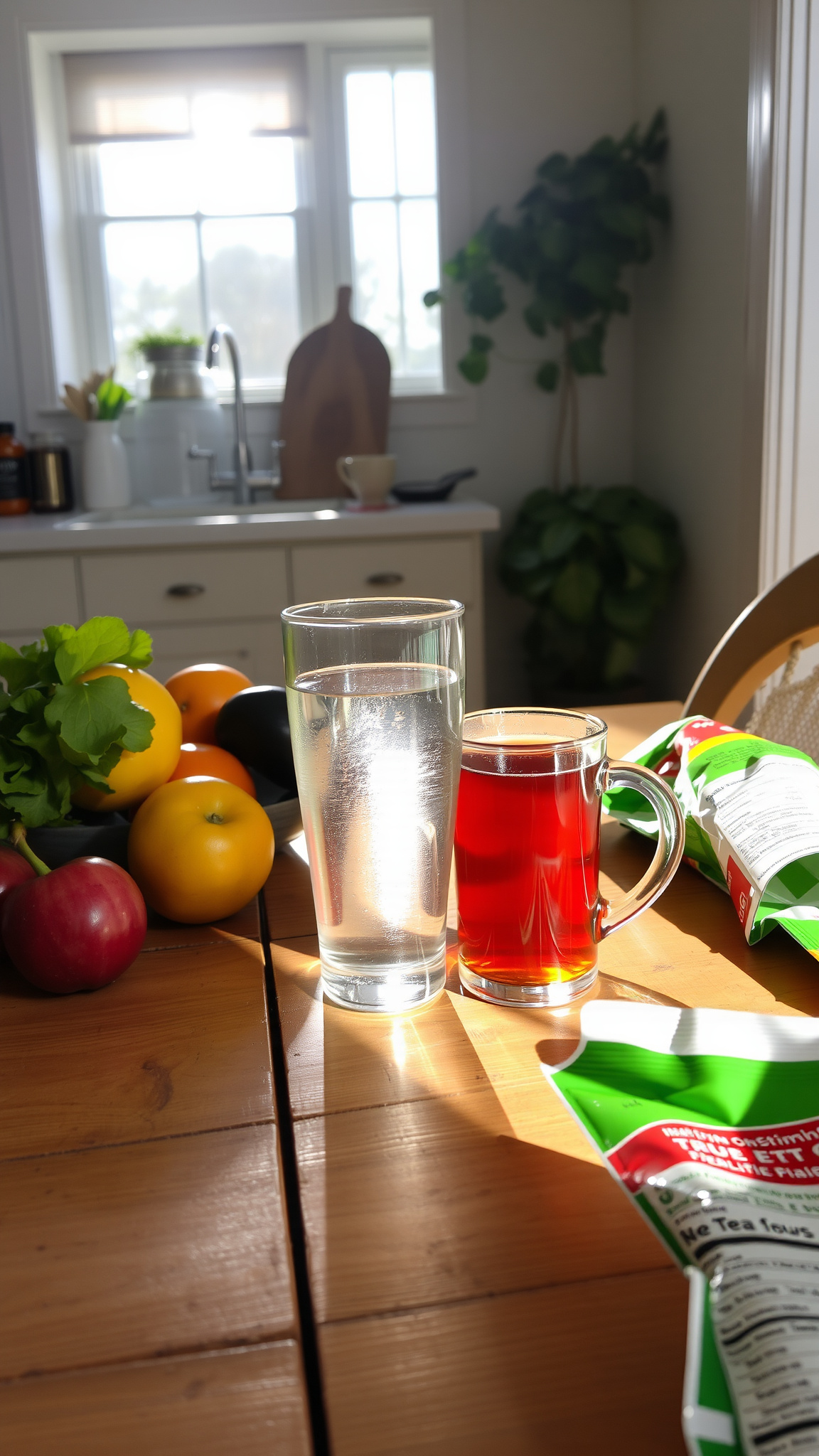
- Hydrate Smart: Stick to water. Unsweetened tea is also a good option. Avoid all juices, regular sodas, and other sugary drinks.
- Read All Labels: Sugar is hidden in many packaged foods, including sauces, dressings, and bread. Look at the “Added Sugars” line on the nutrition label.
- Test Your Sugar: This plan is a guide, but your body is unique. Follow your doctor’s instructions for testing your blood sugar. This will teach you which specific foods work best for you.
- Move Your Body: A gentle 10-15 minute walk after meals can significantly help in managing your blood sugar levels.
Always Consult Your Healthcare Team
This article is for informational purposes only and is not a substitute for professional medical advice. Gestational diabetes management is highly individual.
You must work directly with your doctor, a registered dietitian (RD), or a certified diabetes educator (CDE). They can create a personalized eating plan that accounts for your specific calorie needs, blood glucose readings, and any medications you may be prescribed.
You Can Do This
Managing gestational diabetes is a temporary but important job. By focusing on balanced, whole foods, you are taking the best possible step to support your own health and the healthy development of your baby. Use this plan as a starting point, listen to your healthcare team, and be patient with yourself.


