
7 Delicious Low Carb Vegetable Recipes That Won’t Leave You Hungry
Switching to a low-carb lifestyle often feels like you have to give up the “good stuff,” but that couldn’t be further from the truth. Vegetables are often relegated to the side of the plate, steamed and unseasoned. That is a missed opportunity.
When prepared correctly, vegetables can be hearty, savory, and satisfying enough to stand on their own or elevate a simple protein. The key is using fat and high-heat cooking methods to bring out textures and flavors that boiling simply can’t achieve.
Below are seven reliable, low-carb vegetable recipes that focus on flavor and satiety.
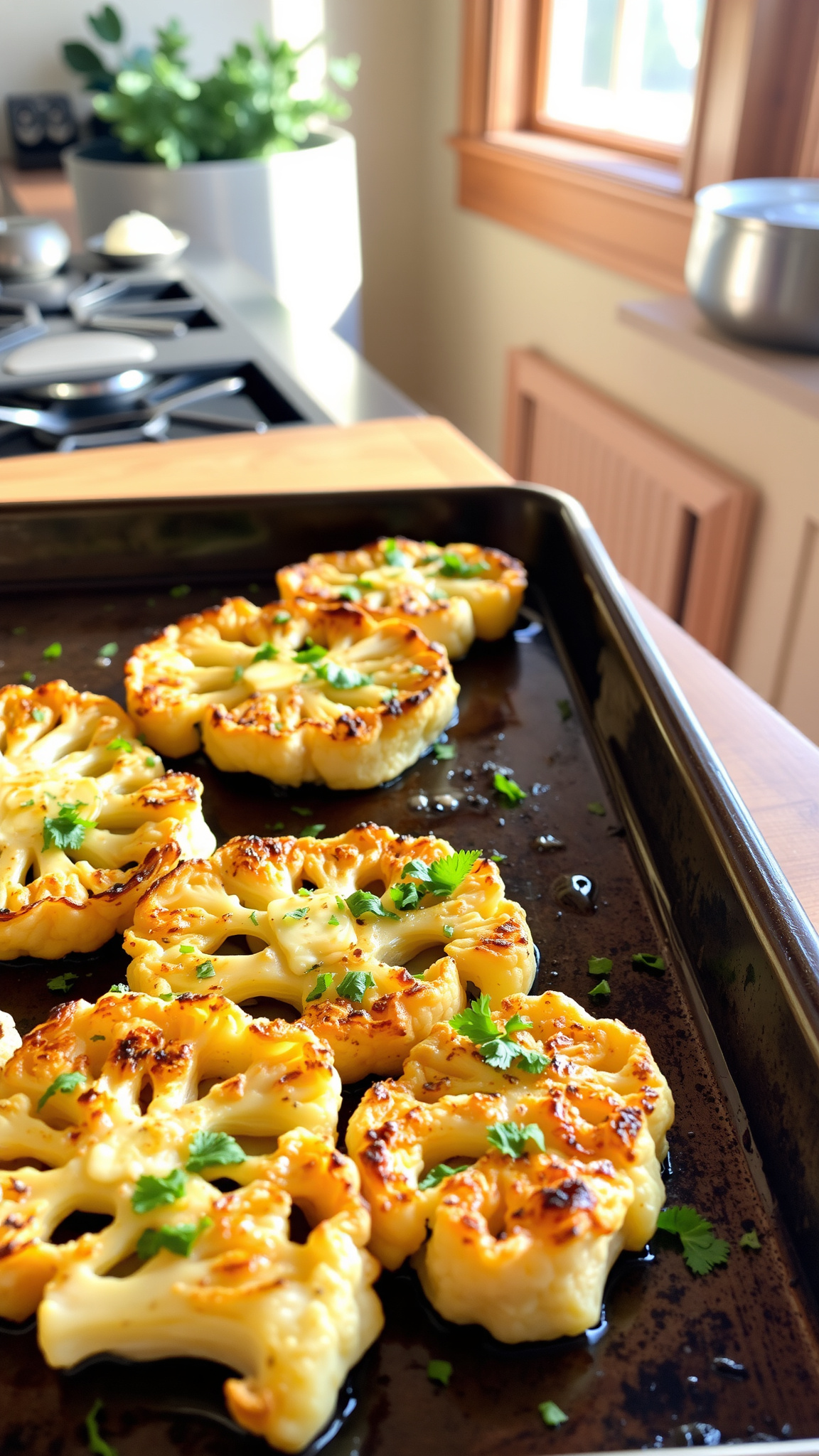
1. Garlic Butter Roasted Cauliflower Steaks
This recipe completely changed how I look at cauliflower. For years, I only ate it steamed or mashed, which was fine but boring. One night, I decided to slice it thick and roast it until the edges were dark brown and crispy. The transformation was incredible. The roasting process brings out a natural nuttiness that pairs perfectly with garlic butter. It feels like a substantial meal rather than just a side dish.
Ingredients
- 1 large head of cauliflower
- 3 tablespoons olive oil
- 2 tablespoons salted butter, melted
- 4 cloves garlic, minced
- 1 teaspoon paprika
- Salt and black pepper to taste
- 1 tablespoon chopped fresh parsley (for garnish)
Step-by-Step Instructions
- Preheat your oven to 400°F (200°C).
- Remove the leaves from the cauliflower stem but leave the core intact. Slice the cauliflower vertically into thick “steaks” (about 1-inch thick). You will likely get 3-4 solid steaks; save the crumbling florets for another meal.
- Place the steaks on a baking sheet lined with parchment paper.
- In a small bowl, mix the olive oil, melted butter, minced garlic, paprika, salt, and pepper.
- Brush this mixture generously over both sides of the cauliflower steaks.
- Roast for 25-30 minutes, carefully flipping halfway through, until the center is tender and the edges are charred and crispy.
- Sprinkle with fresh parsley before serving.
Nutrition Facts
| Nutrient | Amount per Serving |
| Calories | 145 kcal |
| Total Fat | 12g |
| Total Carbs | 8g |
| Dietary Fiber | 3g |
| Net Carbs | 5g |
| Protein | 3g |
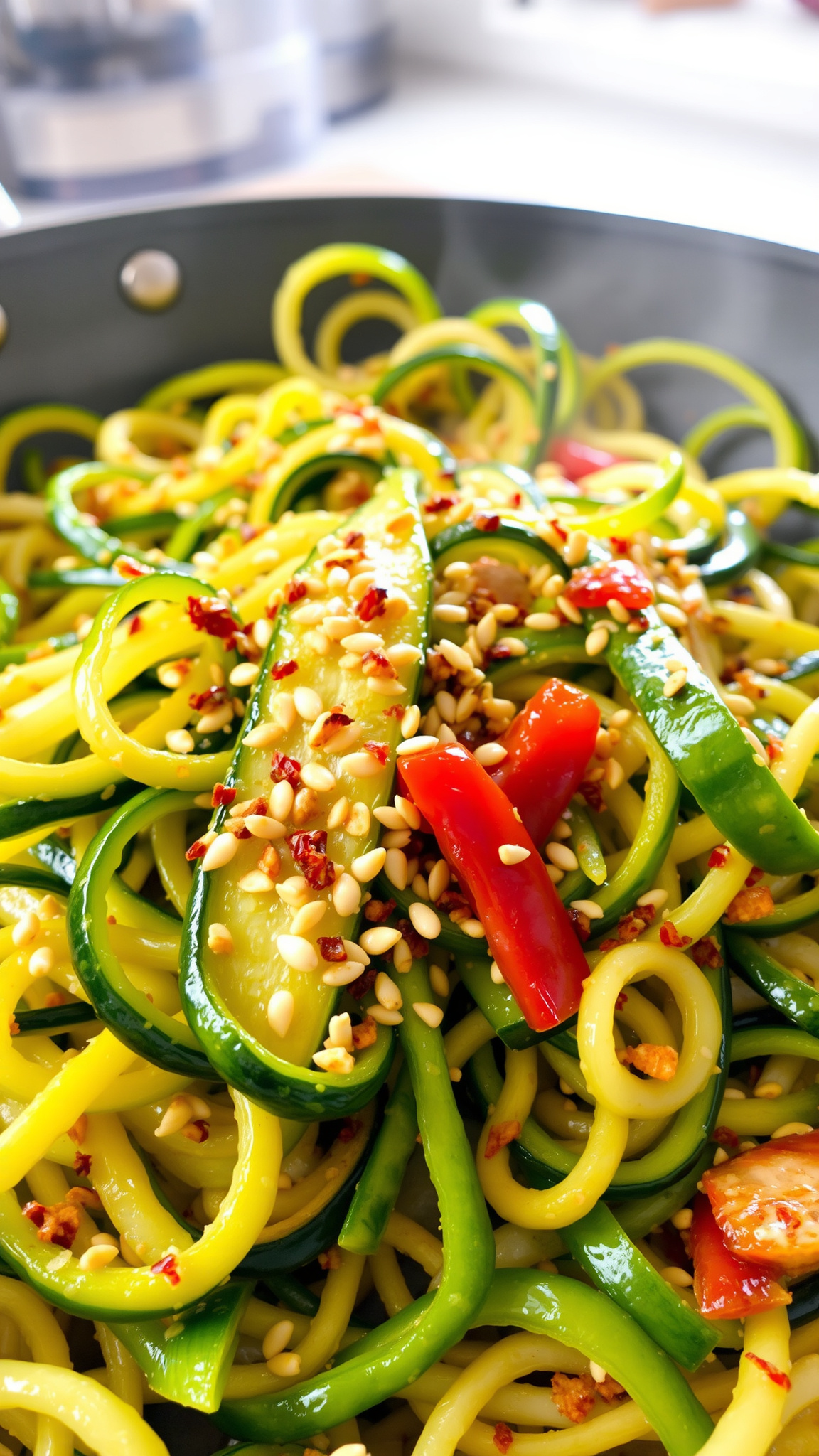
2. Zucchini Noodle Stir-Fry with Sesame
I bought a spiralizer on a whim a few years ago, and honestly, it sat in the cupboard for months. When I finally pulled it out to make this stir-fry, I was surprised by how much better the texture was compared to chopped zucchini. It holds sauce incredibly well. This is my go-to “lazy dinner” because it takes less than 10 minutes from start to finish. If you don’t have a spiralizer, a julienne peeler works just fine.
Ingredients
- 3 medium zucchini, spiralized into noodles
- 1 tablespoon sesame oil
- 1 tablespoon soy sauce (or coconut aminos for gluten-free)
- 1 teaspoon grated fresh ginger
- 2 cloves garlic, minced
- 1 tablespoon toasted sesame seeds
- Red pepper flakes (optional)
Step-by-Step Instructions
- Spiralize your zucchini. Pat the noodles dry with paper towels to remove excess moisture. This is crucial to prevent the dish from becoming watery.
- Heat the sesame oil in a large skillet over medium-high heat.
- Add the garlic, ginger, and red pepper flakes. Sauté for 30 seconds until fragrant.
- Toss in the zucchini noodles and cook for only 2-3 minutes. You want them slightly softened but still crunchy (al dente).
- Stir in the soy sauce and toss to coat evenly.
- Remove from heat immediately and top with toasted sesame seeds.
Nutrition Facts
| Nutrient | Amount per Serving |
| Calories | 90 kcal |
| Total Fat | 6g |
| Total Carbs | 7g |
| Dietary Fiber | 2g |
| Net Carbs | 5g |
| Protein | 3g |
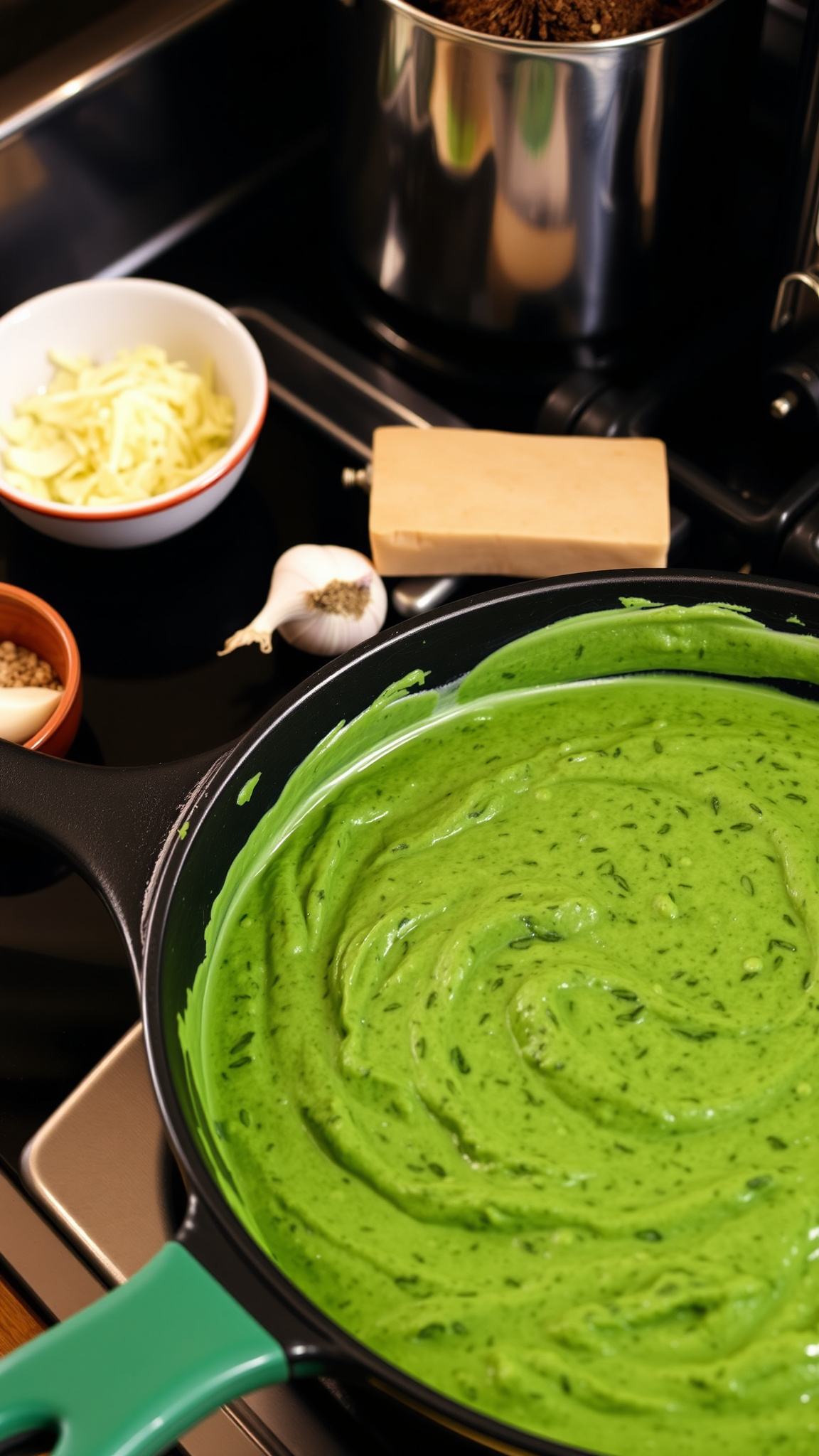
3. Cheesy Creamed Spinach
Steakhouses serve creamed spinach for a reason—it is pure comfort food. I started making this at home when I needed a side dish that felt indulgent without the heavy starch of potatoes. The secret here is using freshly grated nutmeg; it adds a subtle warmth that makes the cheese sauce taste sophisticated. Even people who claim to dislike spinach usually go back for seconds of this.
Ingredients
- 1 lb (16 oz) fresh spinach (or frozen, thawed and squeezed dry)
- 2 tablespoons butter
- 2 cloves garlic, minced
- ½ cup heavy cream
- ½ cup cream cheese
- ¼ cup grated Parmesan cheese
- 1 pinch ground nutmeg
- Salt and pepper to taste
Step-by-Step Instructions
- If using fresh spinach, sauté it in a large pan with a little oil until wilted, then remove and squeeze out as much liquid as possible. If using frozen, ensure it is thoroughly drained. Chopped spinach works best.
- In the same pan, melt the butter over medium heat. Add the garlic and cook for 1 minute.
- Add the heavy cream and cream cheese. Whisk continuously until the cream cheese melts and the sauce becomes smooth.
- Stir in the Parmesan cheese, nutmeg, salt, and pepper. Simmer for 2 minutes to thicken.
- Add the spinach back into the pan and stir until it is fully coated and heated through. Serve hot.
Nutrition Facts
| Nutrient | Amount per Serving |
| Calories | 210 kcal |
| Total Fat | 19g |
| Total Carbs | 5g |
| Dietary Fiber | 2g |
| Net Carbs | 3g |
| Protein | 6g |
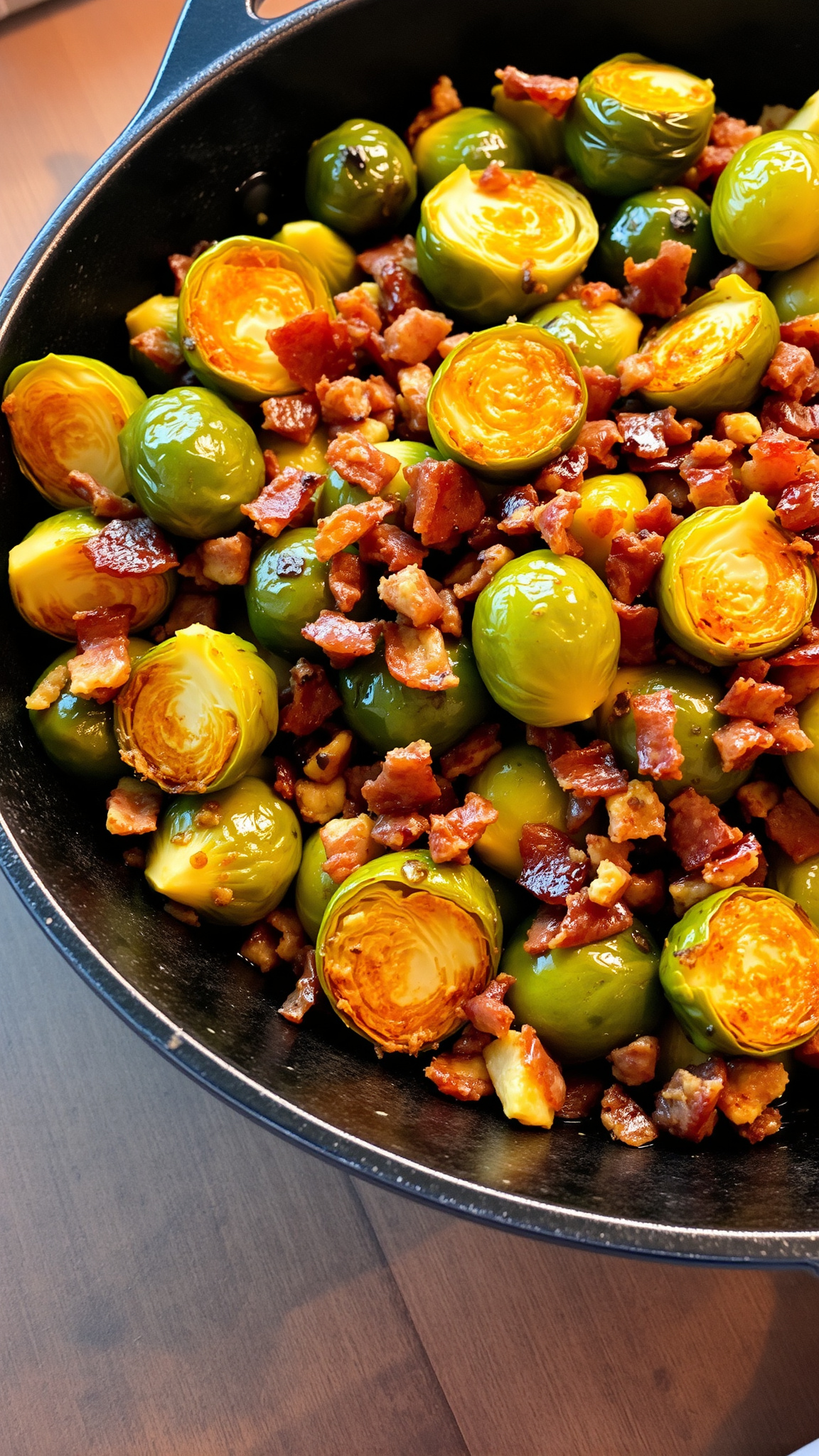
4. Crispy Bacon and Brussels Sprouts Skillet
Brussels sprouts have a bad reputation because people boil them. When you pan-fry them with bacon fat, they become something else entirely—sweet, savory, and incredibly crispy. I make this dish for holidays, but it is easy enough for a Tuesday night. The contrast between the soft inside of the sprout and the crispy outer leaves is the best part.
Ingredients
- 1 lb Brussels sprouts, trimmed and halved
- 4 strips of bacon, chopped
- 2 tablespoons olive oil (if needed)
- Salt and black pepper
- 1 tablespoon balsamic vinegar (optional, use sparingly)
Step-by-Step Instructions
- Place the chopped bacon in a cold cast-iron skillet or large pan. Turn the heat to medium and cook until the bacon is crispy.
- Remove the bacon bits with a slotted spoon, leaving the rendered fat in the pan.
- Place the Brussels sprouts in the hot fat, cut-side down. Do not touch them for 3-4 minutes. This creates the char.
- Once the bottoms are browned, stir them around and cook for another 5-8 minutes until tender. If the pan gets too dry, add the olive oil.
- Stir the crispy bacon back in. Season with salt and generous amounts of black pepper.
- Optional: Drizzle with a tiny splash of balsamic vinegar right before serving to cut the richness.
Nutrition Facts
| Nutrient | Amount per Serving |
| Calories | 180 kcal |
| Total Fat | 14g |
| Total Carbs | 9g |
| Dietary Fiber | 3g |
| Net Carbs | 6g |
| Protein | 7g |
5. Stuffed Portobello Mushrooms
Sometimes you need a vegetable dish that acts like a main course. Large Portobello caps are meaty and substantial. I love making these when I have leftover marinara sauce or pesto. It feels like eating a personal pizza, but you don’t get that heavy, sluggish feeling afterward. It is also a great way to use up odds and ends of cheese from the fridge.
Ingredients
- 4 large Portobello mushrooms, stems and gills removed
- 1 tablespoon olive oil
- ½ cup low-sugar marinara sauce
- 1 cup shredded mozzarella cheese
- ½ teaspoon dried oregano
- Fresh basil leaves for topping
Step-by-Step Instructions
- Preheat your oven to 400°F (200°C).
- Clean the mushrooms with a damp cloth. Scrape out the black gills gently with a spoon.
- Brush the caps with olive oil and place them stem-side up on a baking sheet.
- Spoon the marinara sauce into each cap.
- Top generously with mozzarella cheese and a sprinkle of dried oregano.
- Bake for 15-20 minutes until the mushrooms are soft and the cheese is bubbly and golden.
- Top with fresh basil before serving.
Nutrition Facts
| Nutrient | Amount per Serving |
| Calories | 160 kcal |
| Total Fat | 11g |
| Total Carbs | 6g |
| Dietary Fiber | 2g |
| Net Carbs | 4g |
| Protein | 9g |
6. Roasted Asparagus with Lemon and Parmesan
This is the definition of “simple is best.” I grow asparagus in my garden, and during the harvest, we eat this three times a week. The lemon juice is non-negotiable—it brightens up the earthy flavor of the asparagus and cuts through the salty cheese. It is elegant enough for a dinner party but takes five minutes to prep.
Ingredients
- 1 bunch thin asparagus, woody ends trimmed
- 2 tablespoons olive oil
- 1 lemon (juice and zest)
- ¼ cup shaved Parmesan cheese
- Salt and pepper
Step-by-Step Instructions
- Preheat oven to 400°F (200°C).
- Arrange the asparagus in a single layer on a baking sheet.
- Drizzle with olive oil and toss to coat. Season with salt and pepper.
- Roast for 10-12 minutes. Thin spears cook fast; thicker ones might need 15 minutes.
- Remove from the oven. Immediately squeeze fresh lemon juice over the top and sprinkle with lemon zest.
- Top with shaved Parmesan cheese while the asparagus is still hot so it slightly melts.
Nutrition Facts
| Nutrient | Amount per Serving |
| Calories | 110 kcal |
| Total Fat | 9g |
| Total Carbs | 4g |
| Dietary Fiber | 2g |
| Net Carbs | 2g |
| Protein | 4g |
7. Mashed Turnips with Chives
I admit I was skeptical about turnips as a potato substitute. Mashed cauliflower is popular, but it can be watery. Turnips, however, have a starchier texture that mimics potatoes much better. They have a slight “bite” to them, but boiling them with a little heavy cream mellows that out completely. This has become a staple side dish for my Sunday roasts.
Ingredients
- 1 lb turnips, peeled and chopped into cubes
- 2 tablespoons butter
- 2 tablespoons heavy cream (or sour cream)
- 1 tablespoon chopped fresh chives
- Salt and pepper
Step-by-Step Instructions
- Place the chopped turnips in a pot and cover with water. Add a pinch of salt.
- Boil for 15-20 minutes until the turnips are fork-tender.
- Drain the water very well. Return the turnips to the pot and heat for 1 minute to evaporate excess moisture.
- Add the butter and heavy cream.
- Mash using a potato masher for a rustic texture, or use an immersion blender for a smooth puree.
- Stir in the chives, season with salt and pepper, and serve warm.
Nutrition Facts
| Nutrient | Amount per Serving |
| Calories | 120 kcal |
| Total Fat | 9g |
| Total Carbs | 8g |
| Dietary Fiber | 3g |
| Net Carbs | 5g |
| Protein | 1g |
Frequently Asked Questions (FAQs)
Which vegetables are strictly forbidden on a low-carb diet?
While no vegetable is strictly “forbidden,” root vegetables that grow underground (like potatoes, sweet potatoes, and yams) and sweet corn are very high in starch and sugar. These will spike blood sugar and consume your daily carb allowance quickly.
Can I use frozen vegetables for these recipes?
Yes, absolutely. Frozen vegetables are picked at peak ripeness and are often more nutritious than old fresh produce.2 For roasting (like the cauliflower or Brussels sprouts), ensure you thaw and pat them dry completely, or roast them straight from frozen for a longer time to ensure they get crispy rather than mushy.
How do I calculate net carbs?
To calculate net carbs, you take the Total Carbohydrates and subtract the Dietary Fiber and any sugar alcohols (if applicable). Fiber is a carbohydrate that your body does not digest, so it does not impact blood sugar levels in the same way.
Conclusion
Eating low-carb does not mean eating bland food. By focusing on vegetables that grow above ground and pairing them with quality fats like olive oil, butter, and cheese, you can create meals that are nutritious and genuinely enjoyable.


