

7 Inflammatory Foods That Can Worsen Cortisol Belly Fat
I remember staring in the mirror, frustrated. No matter how much I watched my calories or exercised, that stubborn pouch of fat around my middle just wouldn’t budge. It felt different from other weight gain—more rigid and persistent. It wasn’t until I connected the dots between my high-stress life and my diet that I realized I wasn’t just fighting calories; I was fighting inflammation and cortisol.
That stubborn “stress belly,” often called cortisol belly fat, is closely linked to our body’s primary stress hormone. When we’re chronically stressed, cortisol levels stay high, signaling our body to store fat—specifically visceral fat—deep within our abdomen.
What makes it worse? A diet high in inflammatory foods. This creates a vicious cycle: stress raises cortisol, cortisol increases cravings for comfort foods, and those foods (often processed and sugary) cause inflammation, which further stresses the body and keeps cortisol high.
Breaking this cycle means managing stress, but it also means reducing the inflammatory load from our diet. If you’re struggling with that persistent belly fat, here are seven inflammatory foods you may want to avoid.
1. Sugar, Especially in Drinks

This is the big one. Sugary sodas, sweetened coffees, fruit juices, and endless snacks spike your blood sugar dramatically. This triggers a large insulin release and, over time, contributes to insulin resistance, a condition closely linked to high cortisol and abdominal fat storage. High fructose corn syrup, in particular, is known to drive inflammation and fat production in the liver.
- A Better Swap: Instead of soda or juice, try sparkling water with a squeeze of lemon or lime. For a sweet fix, opt for a small piece of whole fruit, which contains fiber to slow down the sugar absorption.
2. Refined Carbohydrates
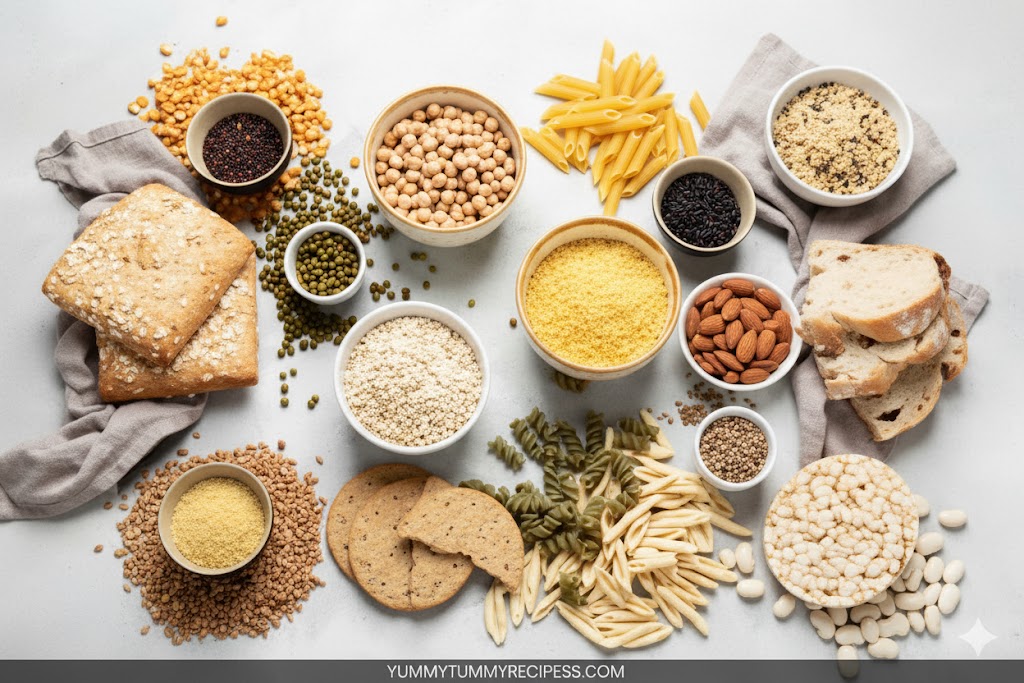
Think white bread, pastries, white pasta, and cereals. These foods have been stripped of their fiber and nutrients, so your body treats them just like sugar. They cause a similar rapid spike in blood sugar and insulin, promoting inflammation and signaling your body to store fat, not burn it.
- A Better Swap: Choose 100% whole-grain bread, brown rice, quinoa, or pasta made from chickpeas or lentils. These are complex carbs that provide sustained energy without the inflammatory crash.
3. Artificial Trans Fats
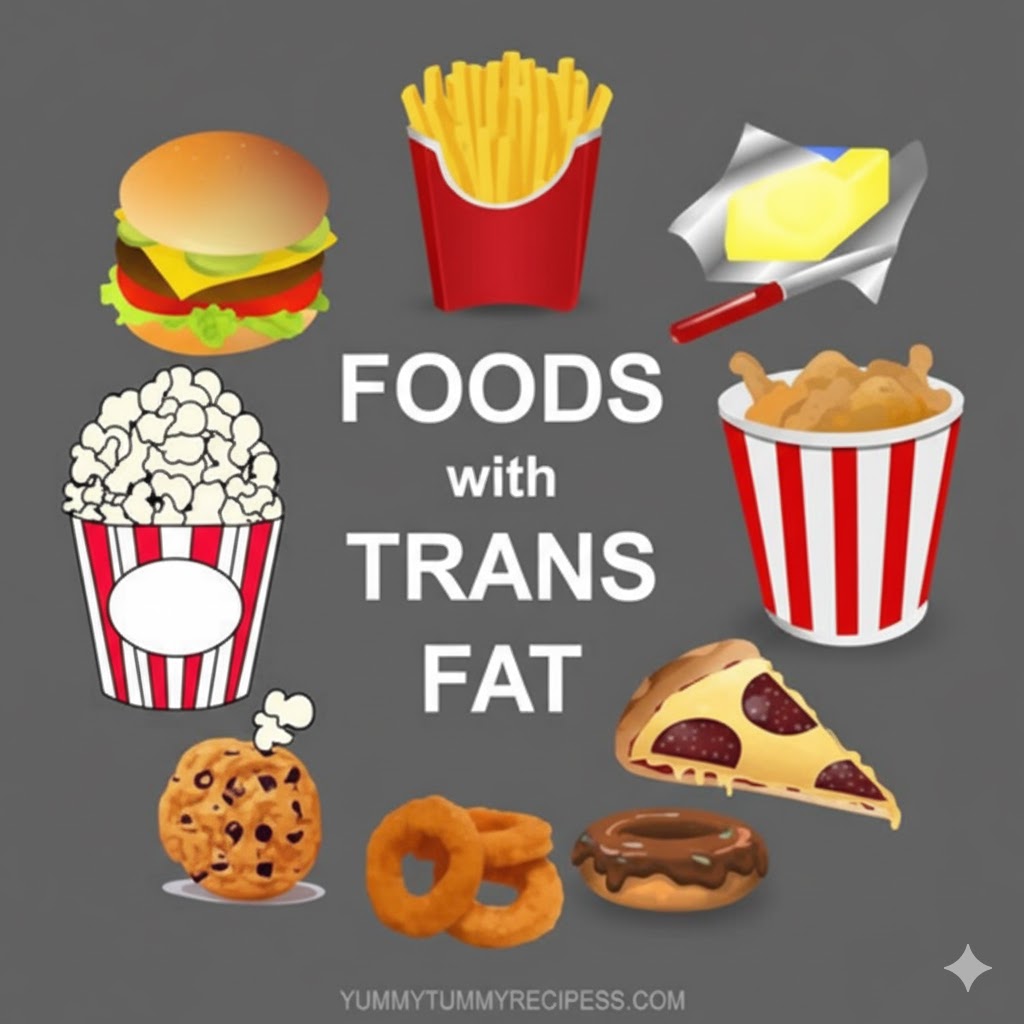
Often listed as “partially hydrogenated oils” on labels, artificial trans fats are a disaster for inflammation. They are commonly found in margarine, shortening, packaged baked goods, and many fried or processed foods. The body doesn’t really know how to handle them, and they are strongly linked to systemic inflammation, insulin resistance, and—you guessed it—an increase in abdominal fat.
- A Better Swap: Read your labels carefully and avoid anything with “partially hydrogenated” in the ingredients. Cook with stable fats like olive oil, avocado oil, or coconut oil.
4. Processed and Cured Meats
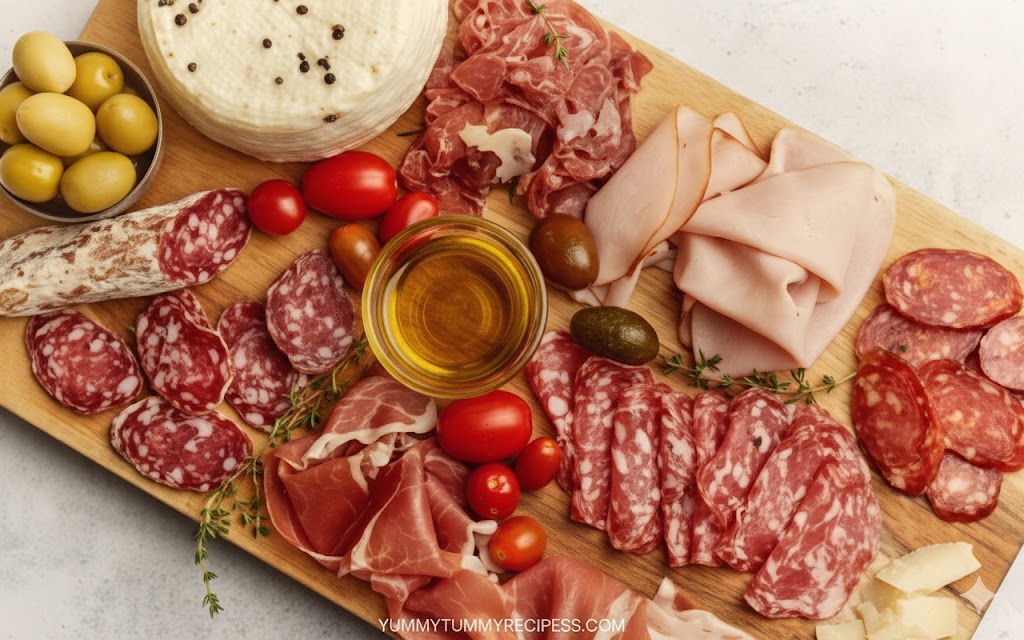
Sausages, hot dogs, bacon, deli meats, and jerky are often preserved with nitrates, advanced glycation end products (AGEs), and other compounds that are highly inflammatory. While convenient, a heavy intake of these meats can put significant oxidative stress on your body, working against your efforts to calm inflammation.
- A Better Swap: Opt for simple, unprocessed proteins like grilled chicken breast, baked fish, eggs, or lentils. If you do buy deli meat, look for “uncured” varieties with no added nitrates or nitrites.
5. Certain Industrial Seed and Vegetable Oils
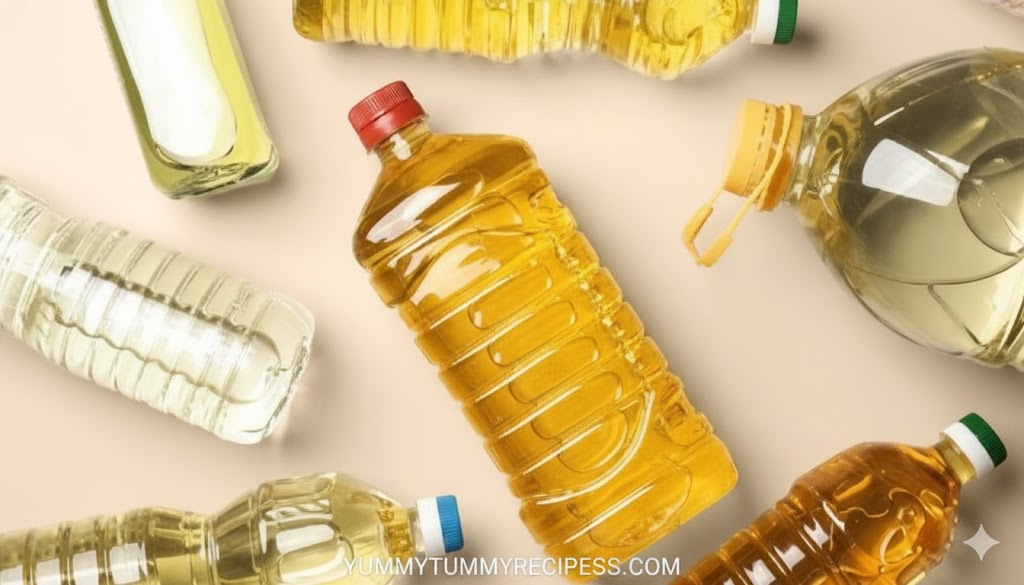
This one is tricky because many “heart-healthy” labels are misleading. Oils like soybean, corn, cottonseed, safflower, and sunflower oil are extremely high in omega-6 fatty acids. While we need some omega-6s, our modern diet provides far too many, creating an imbalance with anti-inflammatory omega-3s. This imbalance is a primary driver of chronic inflammation.
- A Better Swap: Make olive oil your primary cooking and dressing oil. Avocado oil is also a great, stable choice for high-heat cooking. Focus on increasing anti-inflammatory omega-3s from sources like fatty fish (salmon, sardines) and walnuts.
6. Excessive Alcohol

A nightly glass of wine or a few beers might feel like it’s reducing your stress, but it can be a major roadblock. Alcohol is metabolized by the liver, the same organ that manages fat metabolism and detoxification. When the liver is busy processing alcohol, fat-burning is put on pause. Alcohol can also spike cortisol, disrupt sleep (a key time for hormonal regulation), and lead to cravings for inflammatory foods.
- A Better Swap: Try to limit intake and have several alcohol-free days per week. When you do drink, avoid sugary mixers. Better yet, wind down with a calming herbal tea like chamomile or peppermint.
7. Artificial Sweeteners

Found in “diet” sodas and “sugar-free” snacks, artificial sweeteners like aspartame and sucralose can be a problem. While they don’t contain calories, studies suggest they can still disrupt gut health. An unhealthy gut microbiome is a major source of chronic, low-grade inflammation. They can also trick your brain, increase sugar cravings, and may negatively impact insulin sensitivity.
- A Better Swap: The best approach is to gradually reduce your dependence on intense sweet tastes. If you need a sweetener, small amounts of a natural option like monk fruit or stevia are generally better tolerated.
It’s Not Just About Subtraction
Beating cortisol belly fat isn’t just about avoiding foods; it’s about what you add in. Focus on whole, anti-inflammatory foods: leafy greens, cruciferous vegetables (like broccoli and cauliflower), berries, fatty fish, nuts, and seeds.
Remember, diet is only one piece of the puzzle. The very nature of this problem means that managing your stress is non-negotiable. Prioritizing 7-8 hours of quality sleep, incorporating gentle movement like walking or yoga, and finding daily stress-relief practices (like deep breathing or meditation) are all essential to lowering cortisol and finally allowing your body to let go of that stubborn fat.


