
7 lower cholesterol Lunch Recipes
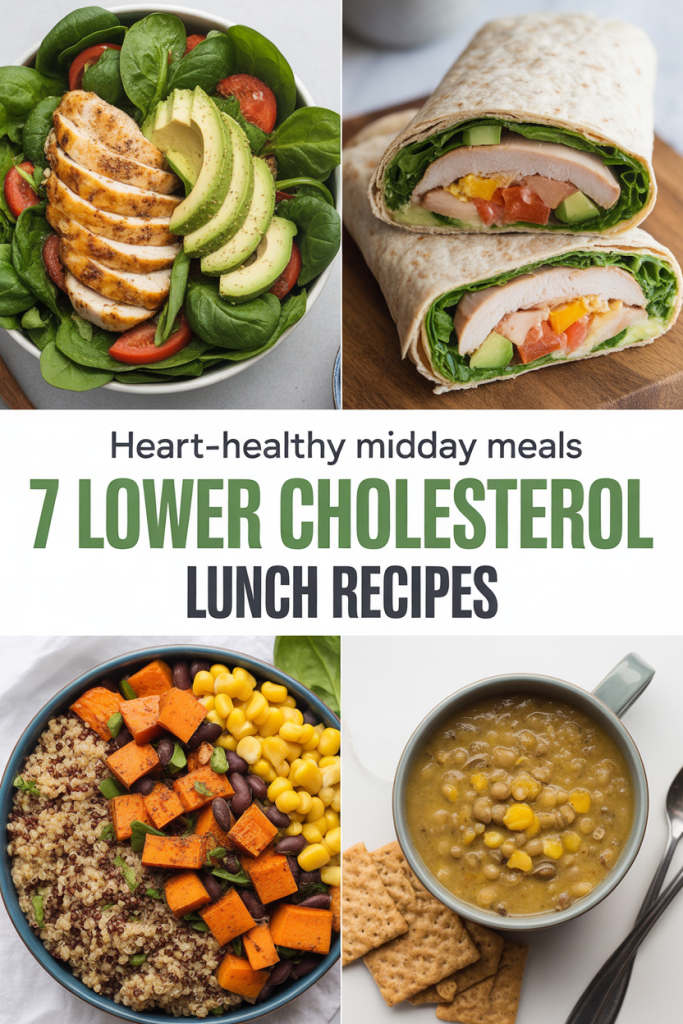
I vividly remember the afternoon my doctor told me my LDL cholesterol numbers were creeping into the “borderline high” territory. It was a wake-up call. I knew dinner needed work, but lunch was my biggest hurdle; I was always busy and relied on quick, processed options. I had to learn that “heart-healthy” didn’t mean boring. I started focusing on ingredients rich in soluble fiber and healthy fats. These seven recipes are the practical, delicious results of my journey to better heart health without sacrificing flavor at midday.
Practical Lunches for Better Heart Health
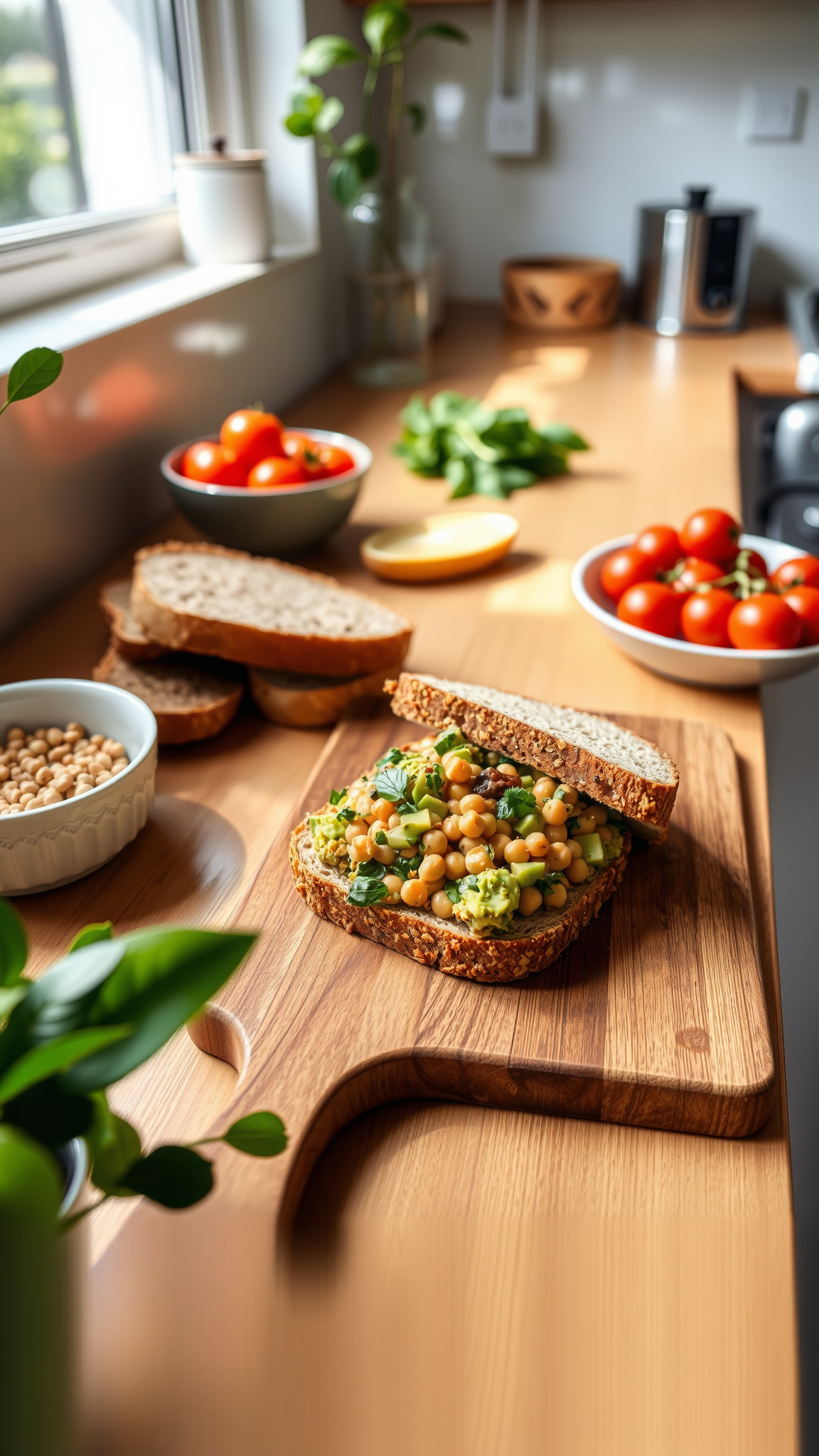
The primary strategy for these recipes is incorporating foods known to actively help manage cholesterol. We are focusing heavily on soluble fiber—found in oats, beans, lentils, and apples—which helps bind cholesterol in the digestive system. We also utilize heart-healthy unsaturated fats found in avocados, nuts, olive oil, and fatty fish, replacing saturated fats wherever possible.
Here are seven recipes designed to fit easily into a busy workday.
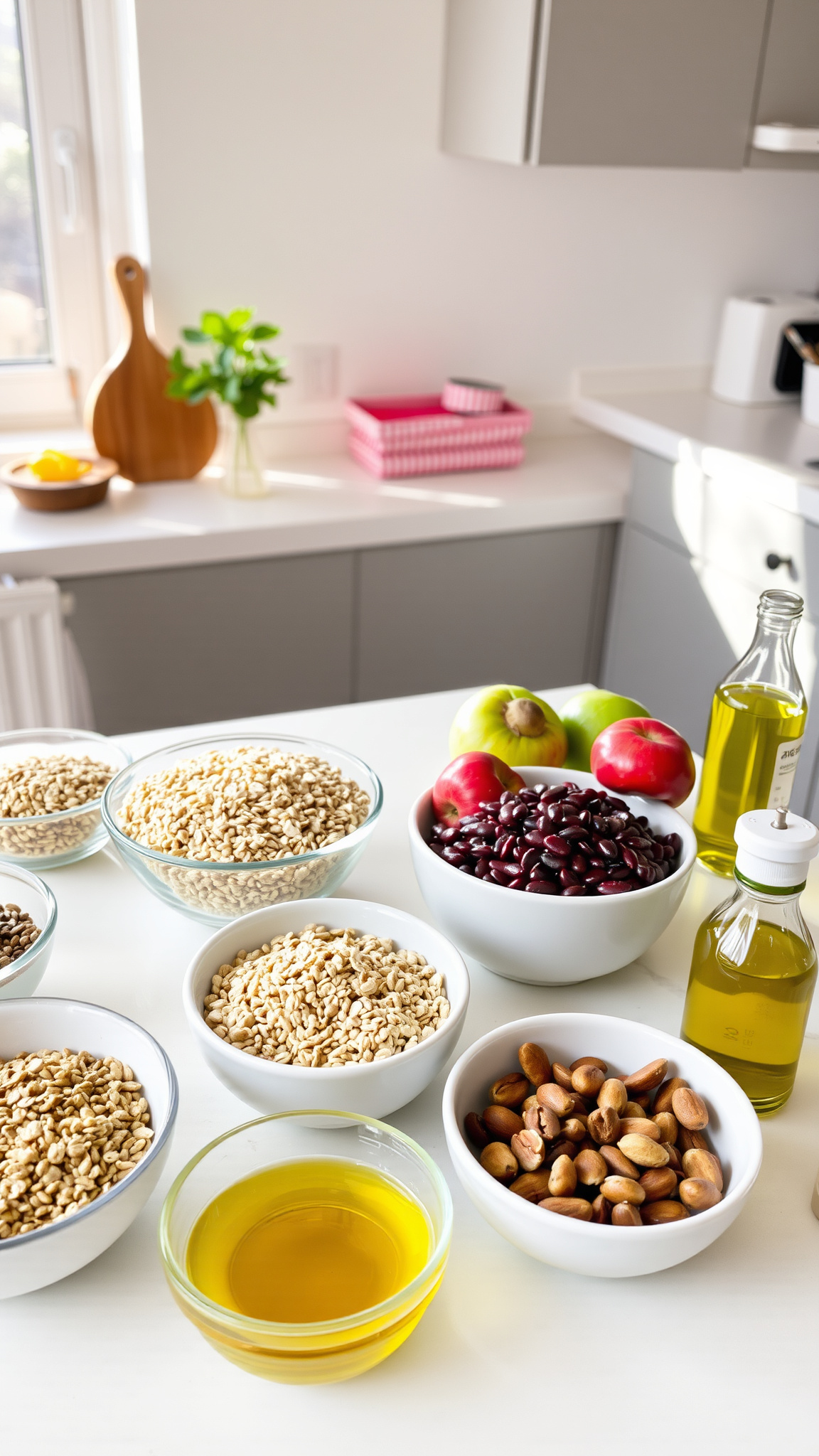
1. Mediterranean Lentil Salad with Cucumber and Dill
This salad is a powerhouse of nutrition. Lentils are exceptional sources of soluble fiber and plant-based protein. This dish holds up well in the fridge for several days, making it excellent for meal prepping. It tastes even better after the flavors marry for a few hours.
Ingredients List
- 1 cup brown or green lentils, cooked and cooled
- 1/2 cup cucumber, diced
- 1/4 cup red onion, finely chopped
- 1/4 cup fresh parsley, chopped
- 2 tablespoons fresh dill, chopped
- 1 tablespoon extra virgin olive oil
- 2 tablespoons fresh lemon juice
- 1 clove garlic, minced
- Black pepper to taste
Step-by-Step Instructions
- If not using pre-cooked lentils, rinse dried lentils and simmer in water until tender but not mushy (usually about 20 minutes). Drain and let cool completely.
- In a large bowl, combine the cooled lentils, diced cucumber, red onion, parsley, and dill.
- In a small jar, whisk together the olive oil, lemon juice, minced garlic, and black pepper to create the dressing.
- Pour the dressing over the lentil mixture and toss gently to coat everything evenly.
- Serve immediately or refrigerate in an airtight container for up to three days.
Approximate Nutrition Facts (Per Serving)
| Nutrient | Amount |
| Calories | 320 |
| Protein | 18g |
| Carbohydrates | 45g |
| Dietary Fiber | 16g |
| Total Fat | 8g |
| Saturated Fat | 1g |
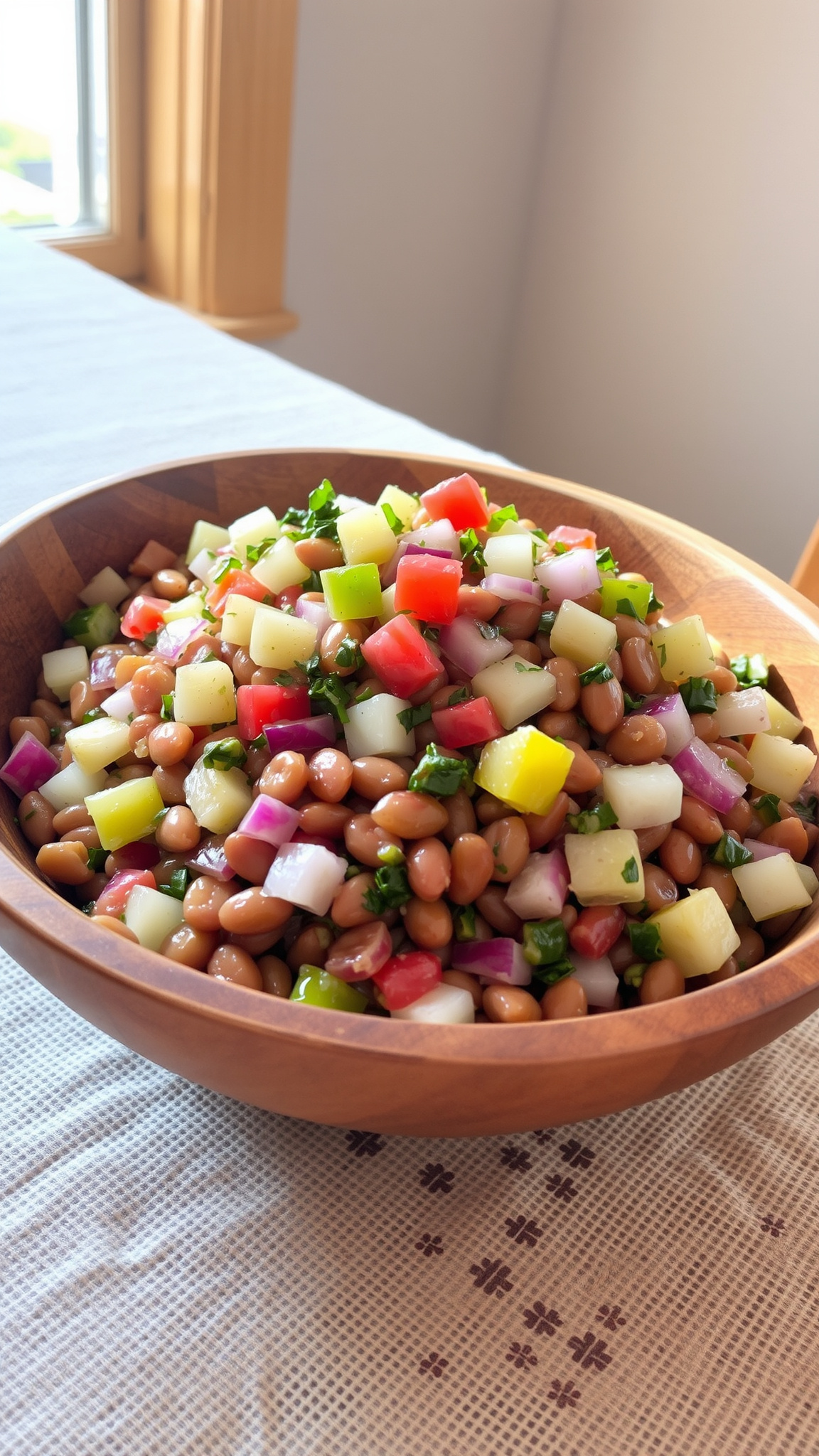
2. Smashed Chickpea and Avocado Salad Sandwich
This is the perfect replacement for mayonnaise-heavy tuna or chicken salad sandwiches. The avocado provides creamy texture along with monounsaturated fats, which are beneficial for heart health. The chickpeas offer a significant boost of fiber that keeps you full throughout the afternoon.
Ingredients List
- 1 can (15 oz) chickpeas, rinsed and drained well
- 1 ripe avocado, pitted and peeled
- 1 tablespoon fresh lemon juice
- 2 tablespoons celery, finely chopped
- 1 tablespoon red onion, finely minced
- Pinch of cayenne pepper (optional)
- 2 slices whole-grain bread (look for 100% whole wheat)
- Lettuce leaves or spinach for serving
Step-by-Step Instructions
- In a medium bowl, combine the rinsed chickpeas and the avocado flesh.
- Use a potato masher or a sturdy fork to smash them together until chunky but combined.
- Stir in the lemon juice, chopped celery, minced red onion, and cayenne pepper if using. Mix until uniform.
- Lightly toast the whole-grain bread if desired.
- Place lettuce on one slice of bread, top generously with the chickpea mixture, and complete the sandwich with the second slice.
Approximate Nutrition Facts (Per Sandwich)
| Nutrient | Amount |
| Calories | 450 |
| Protein | 15g |
| Carbohydrates | 58g |
| Dietary Fiber | 19g |
| Total Fat | 20g |
| Saturated Fat | 3g |
3. Savory Spinach and Mushroom Steel-Cut Oats
Oats are perhaps the most famous cholesterol-lowering food due to their high beta-glucan content, a type of soluble fiber. While usually eaten sweet for breakfast, savory oats make an incredibly satisfying lunch that feels like a comforting risotto.
Ingredients List
- 1/2 cup steel-cut oats, dry
- 1 1/2 cups vegetable broth (low sodium)
- 1 teaspoon olive oil
- 1 cup cremini mushrooms, sliced
- 2 cups fresh spinach packed
- 1/4 teaspoon garlic powder
- 1 tablespoon nutritional yeast (for cheesy flavor without dairy)
Step-by-Step Instructions
- In a small pot, bring the vegetable broth to a boil. Add the steel-cut oats, reduce heat to low, cover, and simmer for about 20 minutes, or until the liquid is mostly absorbed and oats are chewy.
- While the oats cook, heat the olive oil in a skillet over medium heat. Add sliced mushrooms and sauté until browned (about 5 minutes).
- Add the fresh spinach and garlic powder to the skillet, stirring constantly until the spinach is wilted (about 2 minutes).
- Once the oats are cooked, stir in the mushroom and spinach mixture and the nutritional yeast. Stir well to combine and serve warm.
Approximate Nutrition Facts (Per Serving)
| Nutrient | Amount |
| Calories | 310 |
| Protein | 12g |
| Carbohydrates | 55g |
| Dietary Fiber | 10g |
| Total Fat | 6g |
| Saturated Fat | 1g |
4. Tuscan White Bean and Kale Soup
This soup is hearty, warming, and packed with fiber from both the beans and the kale. Beans are excellent for heart health because their soluble fiber forms a gel in your gut that traps cholesterol before it enters your bloodstream.
Ingredients List
- 1 teaspoon olive oil
- 1/2 cup yellow onion, diced
- 1 carrot, diced
- 1 celery stalk, diced
- 2 cloves garlic, minced
- 1 can (15 oz) cannellini beans (white kidney beans), rinsed and drained
- 2 cups vegetable broth (low sodium)
- 2 cups kale leaves, stems removed and chopped
- 1/2 teaspoon dried thyme
Step-by-Step Instructions
- Heat the olive oil in a soup pot over medium heat. Add the onion, carrot, and celery. Sauté for about 7 minutes until the vegetables soften.
- Add the minced garlic and dried thyme; cook for 1 more minute until fragrant.
- Add the rinsed beans and vegetable broth to the pot. Bring the mixture to a gentle simmer.
- Let it cook for 10 minutes to allow flavors to meld. You can mash some beans against the side of the pot to thicken the broth if desired.
- Stir in the chopped kale and cook for 3 to 5 minutes, just until the kale is wilted and tender. Serve warm.
Approximate Nutrition Facts (Per Serving)
| Nutrient | Amount |
| Calories | 280 |
| Protein | 14g |
| Carbohydrates | 50g |
| Dietary Fiber | 15g |
| Total Fat | 3g |
| Saturated Fat | 0.5g |
5. Black Bean and Quinoa Power Bowl
This bowl combines two complete plant proteins—quinoa and black beans. Quinoa is actually a seed that cooks like a grain, offering a good texture contrast and plenty of fiber. The lime dressing keeps it fresh and zesty.
Ingredients List
- 3/4 cup cooked quinoa
- 1/2 cup black beans, rinsed and drained
- 1/2 cup red bell pepper, chopped
- 1/4 cup frozen corn, thawed
- 2 tablespoons fresh cilantro, chopped
- For Dressing: 1 tablespoon lime juice, 1 teaspoon olive oil, pinch of cumin.
Step-by-Step Instructions
- Cook quinoa according to package directions if not already prepared. Allow it to cool slightly.
- In a serving bowl, layer the cooked quinoa as the base.
- Top with the black beans, red bell pepper, and thawed corn.
- In a small cup, whisk together the lime juice, olive oil, and cumin.
- Drizzle the dressing over the bowl and top with fresh cilantro. Toss before eating.
Approximate Nutrition Facts (Per Serving)
| Nutrient | Amount |
| Calories | 350 |
| Protein | 13g |
| Carbohydrates | 60g |
| Dietary Fiber | 12g |
| Total Fat | 7g |
| Saturated Fat | 1g |
6. Roasted Veggie Hummus Wrap
This wrap is easy to assemble if you roast a batch of vegetables on the weekend. Using hummus instead of cream cheese or mayo adds flavor and moisture along with healthy plant-based fats and protein.
Ingredients List
- 1 large whole-wheat tortilla
- 1/4 cup classic hummus
- 1/2 cup roasted vegetables (mix of zucchini, eggplant, and bell peppers works well)
- A handful of fresh spinach leaves
- 1 tablespoon sunflower seeds (unsalted)
Step-by-Step Instructions
- Lay the whole-wheat tortilla flat on a clean surface.
- Spread the hummus evenly over the tortilla, leaving about an inch border around the edges.
- Layer the fresh spinach leaves over the hummus.
- Top the spinach with the roasted vegetable mixture.
- Sprinkle the sunflower seeds over the vegetables for crunch.
- Roll up tightly, tucking in the sides as you go. Slice in half diagonally to serve.
Approximate Nutrition Facts (Per Wrap)
| Nutrient | Amount |
| Calories | 380 |
| Protein | 12g |
| Carbohydrates | 55g |
| Dietary Fiber | 11g |
| Total Fat | 14g |
| Saturated Fat | 2g |
7. Baked Salmon and Asparagus with Brown Rice
Fatty fish like salmon are essential for a cholesterol-conscious diet because they are rich in omega-3 fatty acids. These healthy fats can help raise “good” HDL cholesterol and lower triglycerides.
Ingredients List
- 4 oz wild-caught salmon fillet
- 1/2 cup brown rice, cooked
- 1 cup asparagus spears, woody ends trimmed
- 1 teaspoon olive oil
- Lemon slices
- Dried dill and black pepper
Step-by-Step Instructions
- Preheat your oven to 400°F (200°C). Line a baking sheet with parchment paper.
- Place the salmon fillet and asparagus spears on the baking sheet.
- Drizzle the olive oil lightly over the asparagus. Season both the salmon and asparagus generously with dried dill and black pepper. Place lemon slices on top of the salmon.
- Bake for 12 to 15 minutes, or until the salmon flakes easily with a fork and asparagus is tender-crisp.
- Serve the baked salmon and asparagus alongside the cooked brown rice.
Approximate Nutrition Facts (Per Serving)
| Nutrient | Amount |
| Calories | 420 |
| Protein | 30g |
| Carbohydrates | 35g |
| Dietary Fiber | 5g |
| Total Fat | 16g |
| Saturated Fat | 2.5g |
Frequently Asked Questions About Cholesterol-Friendly Lunches
Why is soluble fiber so important for lowering cholesterol?
Think of soluble fiber as a sponge in your digestive tract. When eaten, it dissolves into a gel-like substance that binds to cholesterol particles and bile acids, removing them from your body as waste before they can be absorbed into your bloodstream.15
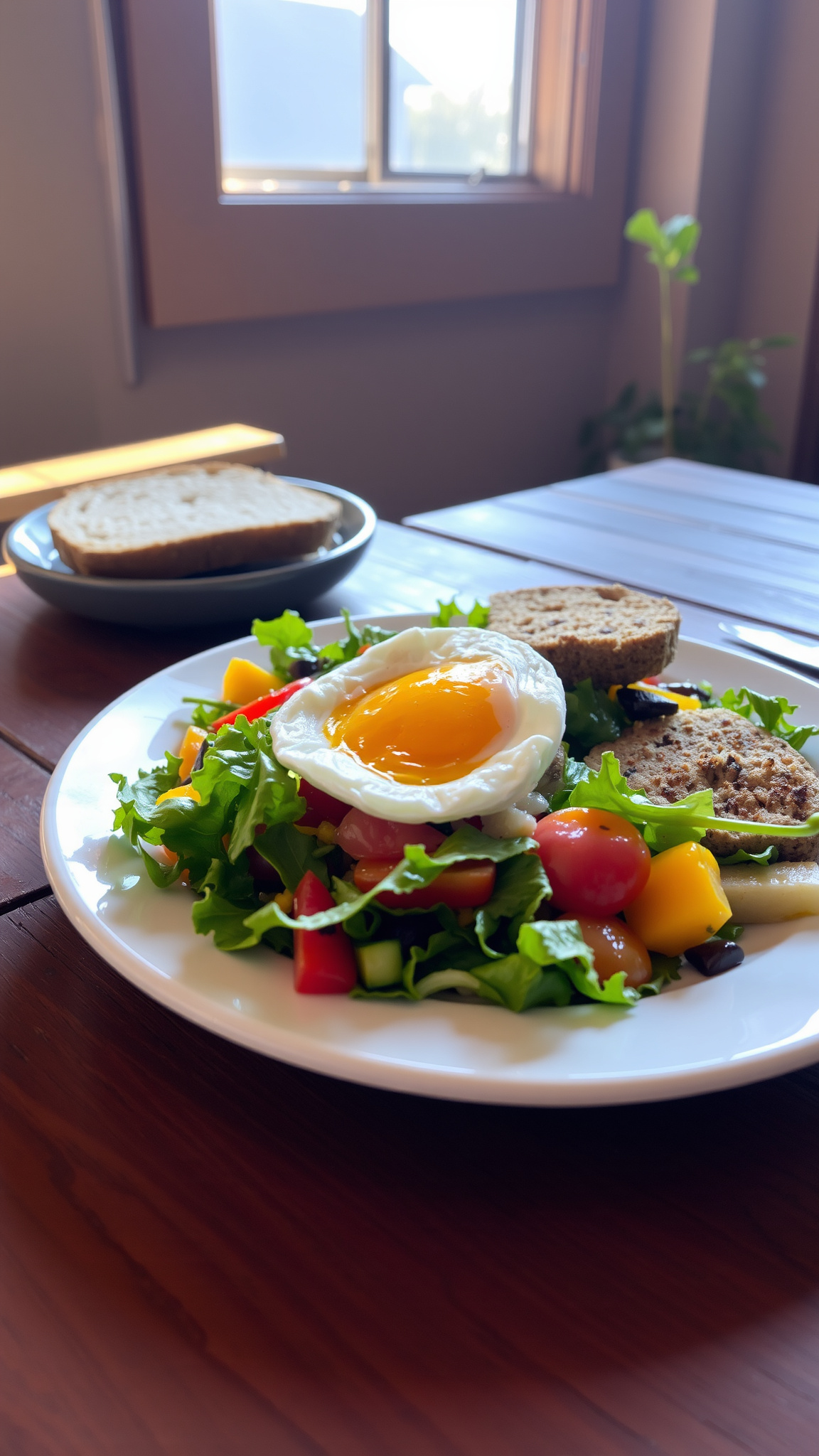
Are eggs okay to eat for lunch if I have high cholesterol?
For most people, dietary cholesterol (found in eggs) has a smaller impact on blood cholesterol than saturated fat and trans fat. Most health organizations suggest that one whole egg per day can fit into a heart-healthy diet. If you are very concerned, you can use two egg whites in place of one whole egg to eliminate the cholesterol while keeping the protein.
What lunch foods should I strictly avoid?
To manage cholesterol, try to limit foods high in saturated and trans fats. Common lunch offenders include processed deli meats (salami, bologna), fried foods, creamy heavy salad dressings, cheese-heavy dishes, and pastries or white-bread sandwiches.
Conclusion
Managing cholesterol doesn’t require eating bland, unsatisfying food. By shifting your lunch focus toward fiber-rich whole grains, legumes, vegetables, and healthy fats, you can take active steps toward better heart health. These seven recipes are tools to help you build consistency. Remember that small, sustainable changes to your daily habits, like choosing a bean burger instead of a cheeseburger, add up to significant results over time.


