

7 Types of Rice with the Lowest Glycemic Index (+ Pros & Cons)
If you’re trying to manage blood sugar or simply eat in a more balanced way, knowing which types of rice have the lowest glycemic index (GI) makes a big difference. Rice isn’t off-limits for people who need to stabilize glucose levels — the key is choosing varieties that digest slowly, provide steady energy, and don’t cause sharp spikes.
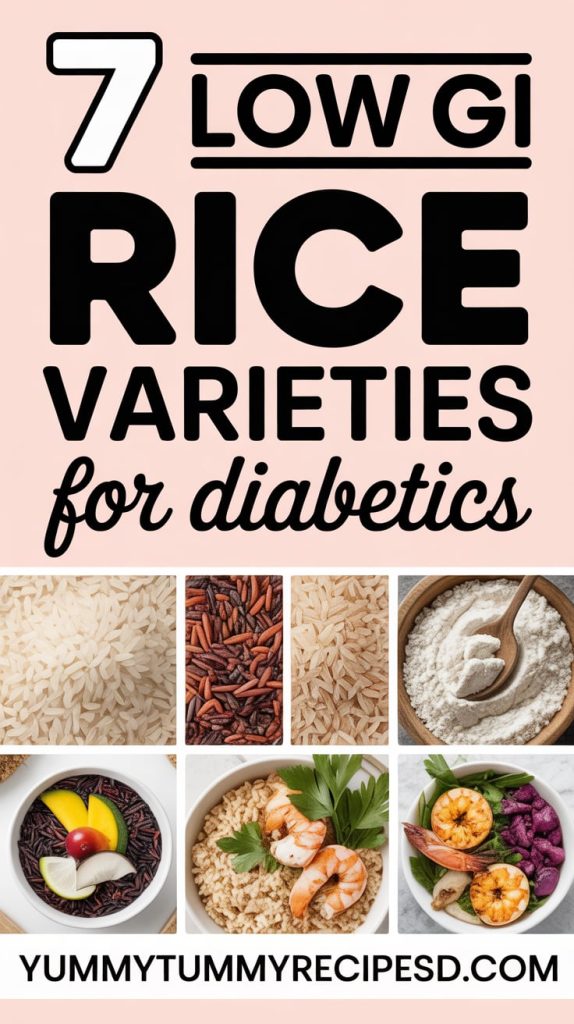
This guide explains the best low-GI rice options, their nutrition benefits, and the drawbacks you should keep in mind before adding them to your meals.
What Makes Rice “Low GI”?
The glycemic index measures how quickly carbohydrates raise blood sugar. A GI score is categorized as:
- Low GI: 55 or below
- Medium GI: 56–69
- High GI: 70 or above
Low-GI rice varieties digest slowly. They release glucose gradually, giving you longer-lasting energy and better appetite control.
Slow digestion is usually linked to:
- Higher fiber
- More resistant starch
- Minimal processing
- Firm texture after cooking
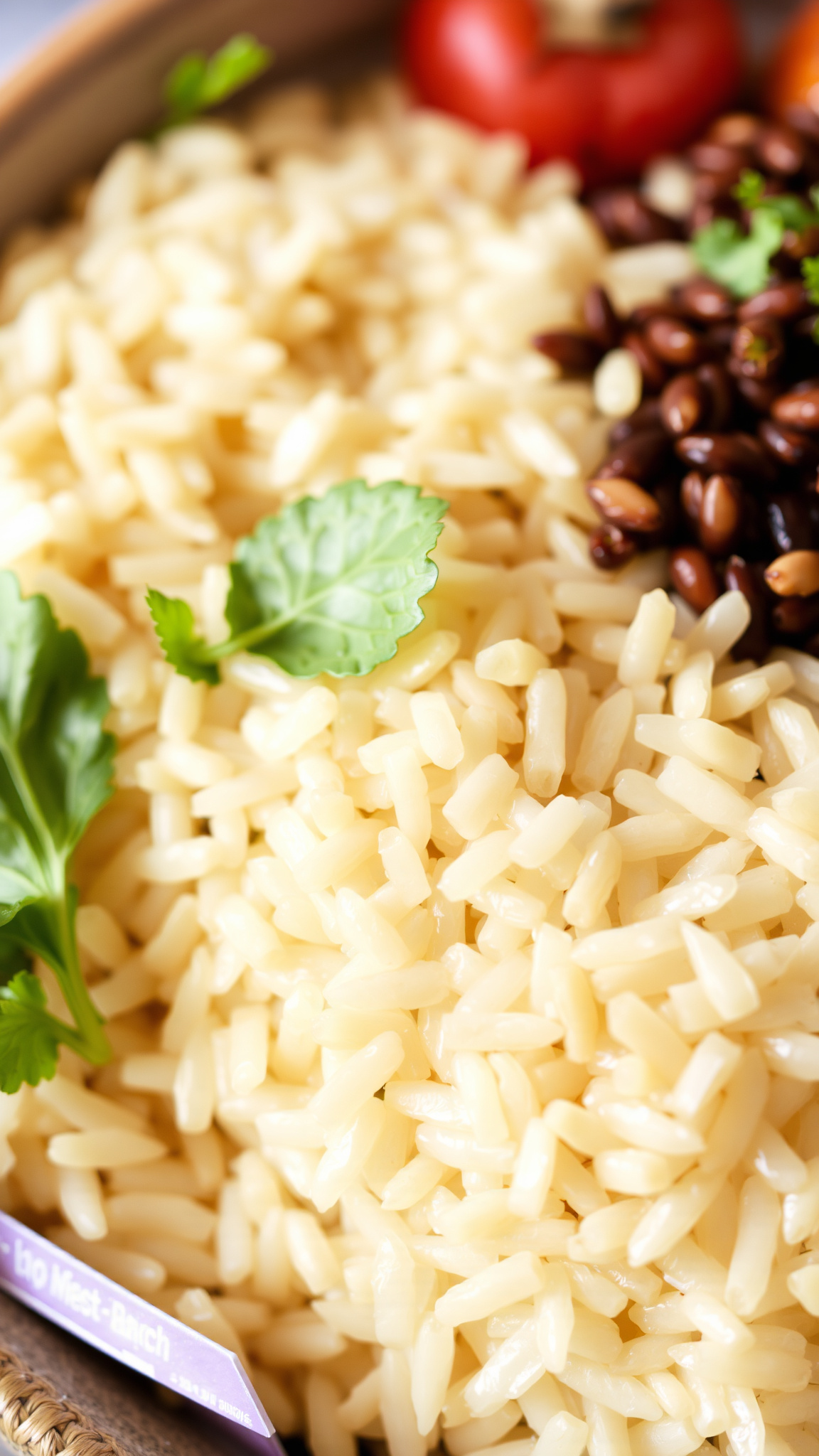
1. Basmati Rice (Especially Brown Basmati)
Approx GI: 50–58
Best for: Diabetics, weight management, balanced meals
Brown basmati rice is one of the most reliable low-GI options. The grains stay separate after cooking, so your body breaks them down slowly. Even white basmati performs better than most white rice varieties due to its long-grain structure and unique starch profile.
Pros
- Mild flavor that pairs with almost any dish
- Lower GI than most long-grain rice
- Brown basmati offers more fiber and minerals
Cons
- Takes longer to cook than regular white rice
- Slightly firmer, which some people may not prefer
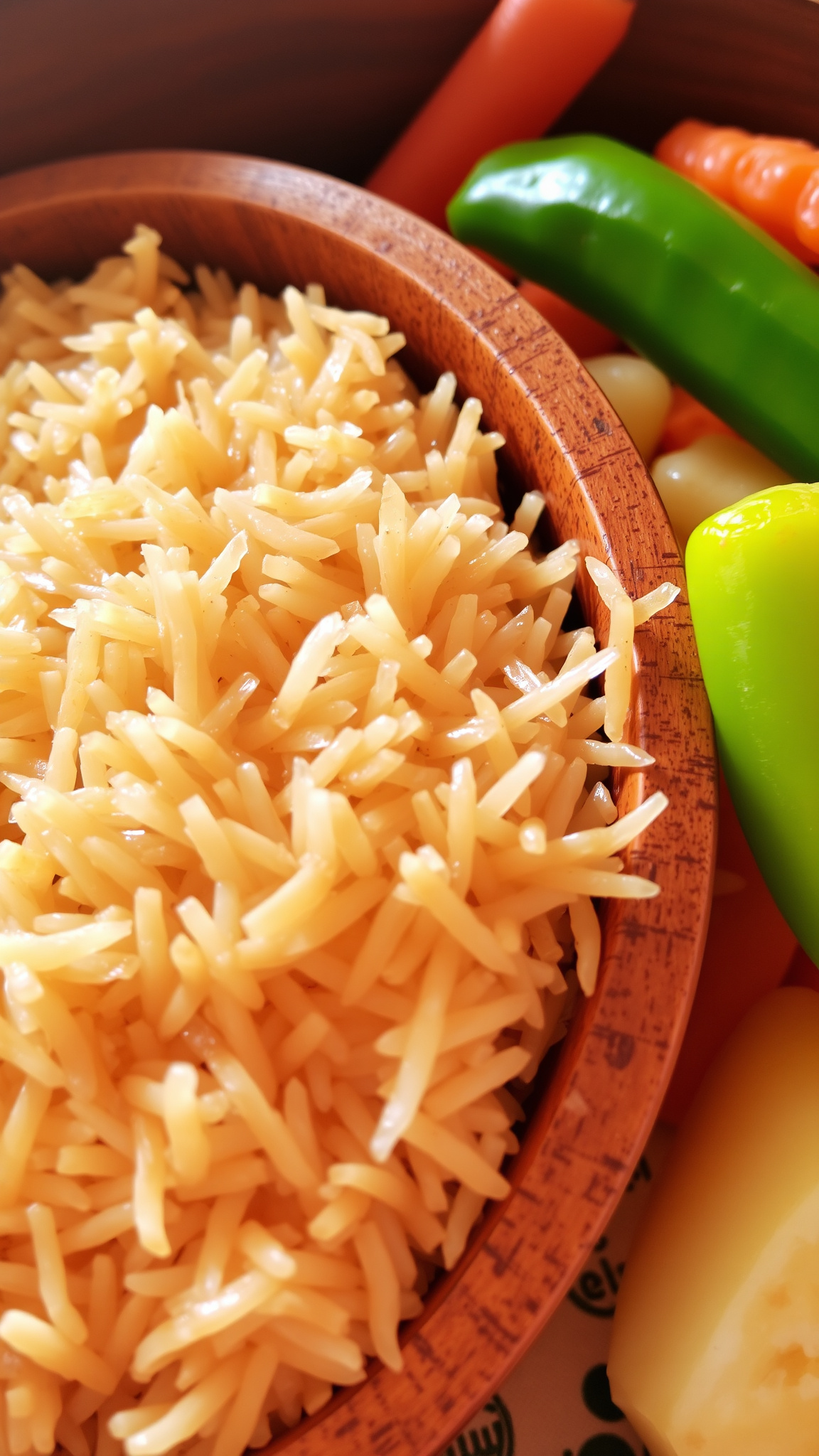
2. Brown Rice (All Varieties)
Approx GI: 50–55
Best for: Daily use, nutrient density
Brown rice retains its bran layer, which contains fiber, magnesium, and natural oils that slow digestion. It’s a dependable option for people who want a steadier blood sugar response without changing their diet too much.
Pros
- Higher fiber than white rice
- Supports digestion and fullness
- Versatile for everyday meals
Cons
- Longer cooking time
- Chewier texture
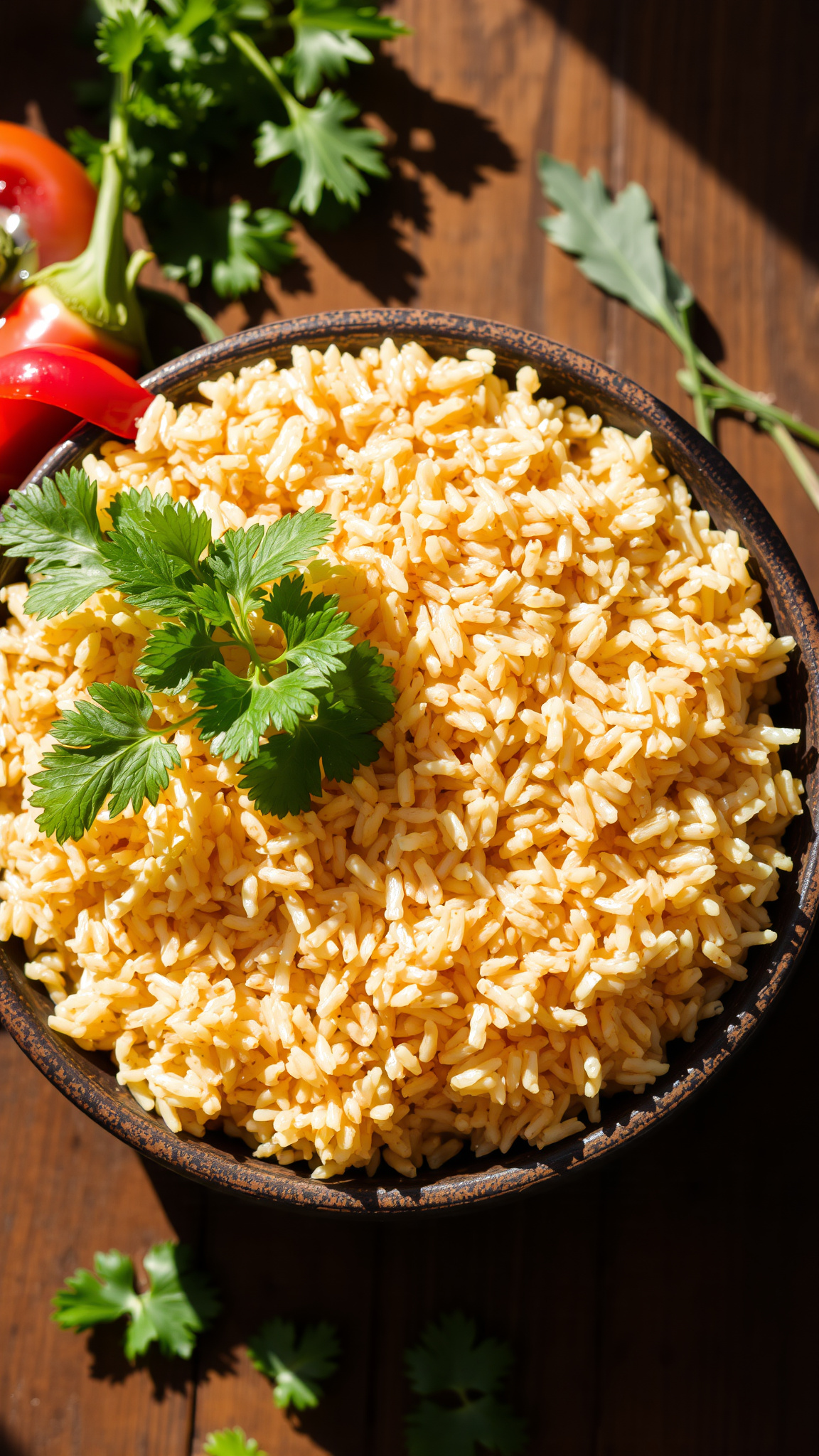
3. Parboiled Rice (Converted Rice)
Approx GI: 48–55
Best for: Meal prepping, quick cooking, balanced diets
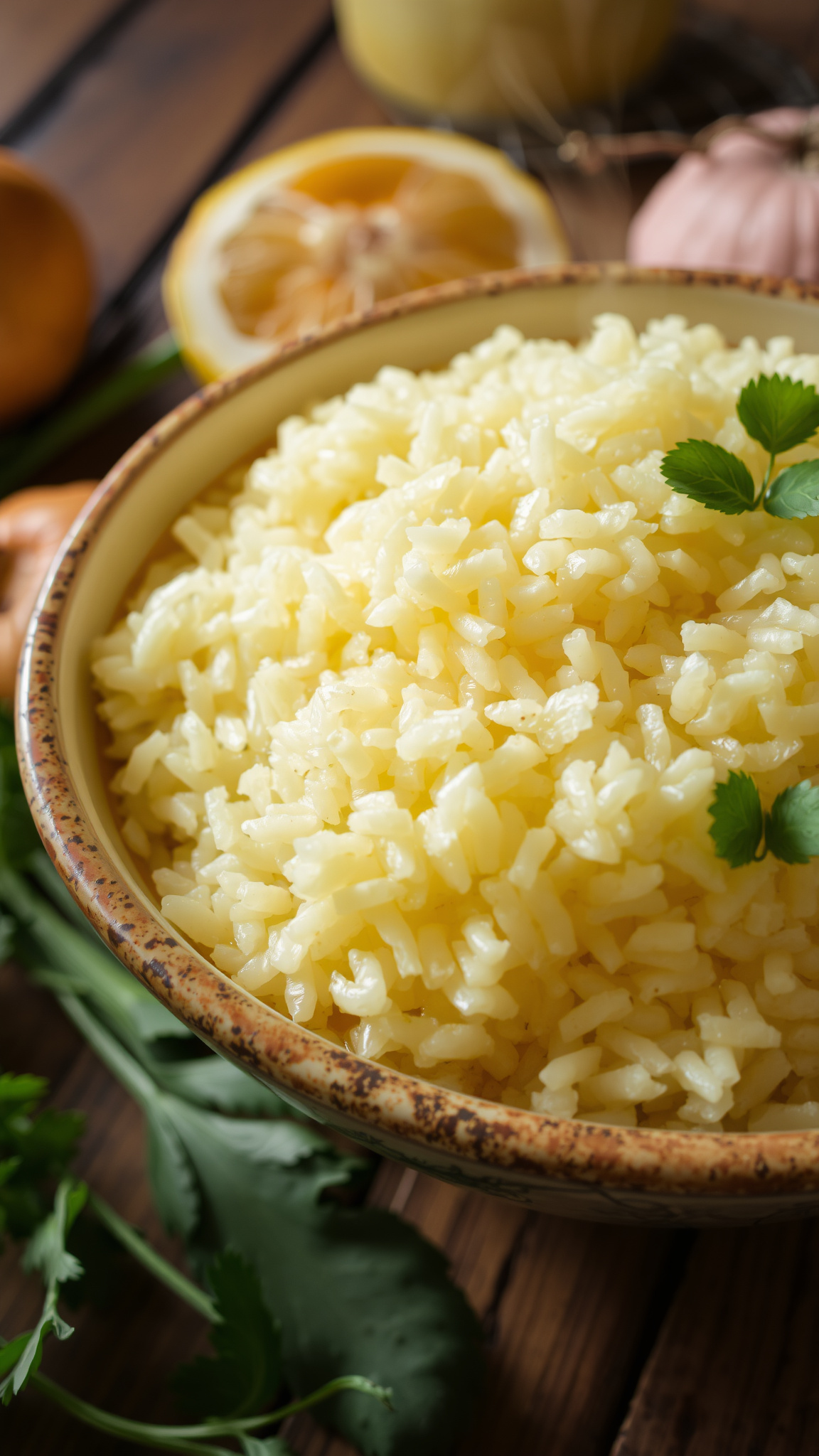
Parboiled rice is steamed before milling, which pushes nutrients from the husk into the grain. This process also modifies the starch structure, lowering the GI and improving mineral retention.
Pros
- Fluffier and less sticky
- Higher in B vitamins
- Lower GI than most standard white rice
Cons
- Slightly yellow color may not appeal to everyone
- Can become firm if overcooked
4. Wild Rice
Approx GI: 45–53
Best for: High-fiber diets, nutrient-dense meals
Wild rice is technically a seed, not a grain, but it’s often used like rice. It delivers antioxidants, protein, and minerals with a naturally low GI. Its nutty taste makes it ideal for salads and mixed bowls.
Pros
- Lower GI than most rice varieties
- Higher protein and fiber
- Distinctive flavor and appealing texture
Cons
- More expensive and less widely available
- Takes longer to cook than regular rice
5. Black Rice (Forbidden Rice)
Approx GI: 42–50
Best for: Antioxidant-focused diets, nutrient-rich meals
Black rice is naturally rich in anthocyanins — the pigments that give it a deep purple color. These antioxidants can support inflammation control and heart health. Its fiber content also slows digestion.
Pros
- One of the lowest GI rice types
- High antioxidant content
- Rich, slightly sweet flavor
Cons
- Takes longer to cook
- Color may bleed into dishes
6. Red Rice
Approx GI: 50–55
Best for: High-fiber, nutrient-dense meals
Red rice is similar to black rice in that it contains natural antioxidants, particularly anthocyanins and proanthocyanidins. The bran layer remains intact, keeping the GI lower and digestion slower.
Pros
- High in fiber
- Good mineral content, especially iron and manganese
- Firm, wholesome texture
Cons
- Longer cooking time
- Distinct flavor might not suit all recipes
7. Brown Jasmine Rice (Lower GI Than White Jasmine)
Approx GI: 50–55
Best for: Aromatic rice lovers who want a healthier option
White jasmine rice has a high glycemic index, but the brown version behaves very differently. The bran layer helps slow glucose release, offering a more balanced option without giving up the aromatic fragrance.
Pros
- Lower GI alternative to white jasmine
- Soft, aromatic, and naturally flavorful
- Better nutrient profile
Cons
- Chewier than white jasmine
- Slightly longer cook time
How to Cook Rice for a Lower GI (Important for Blood Sugar Control)
Cooking method affects GI just as much as rice type. Use these strategies:
- Keep grains firm, not mushy
- Avoid overcooking
- Let cooked rice cool for a few hours (increases resistant starch)
- Reheat gently before serving
- Pair rice with protein, vegetables, and healthy fats to further reduce glucose spikes
These steps slow digestion and support stable blood sugar.
Lowest GI Rice Types Compared (Quick Reference)
| Rice Type | Approx GI | Texture | Key Benefit |
|---|---|---|---|
| Black Rice | 42–50 | Firm, chewy | Highest antioxidants |
| Wild Rice | 45–53 | Chewy, nutty | High protein and fiber |
| Parboiled Rice | 48–55 | Fluffy | Good nutrient retention |
| Brown Basmati | 50–55 | Separate grains | Consistent low GI |
| Brown Rice | 50–55 | Chewy | Most accessible |
| Red Rice | 50–55 | Firm | High mineral content |
| Brown Jasmine | 50–55 | Aromatic | Lower GI alternative to Jasmine |
Who Should Choose Low-GI Rice?
Low-GI rice options are helpful for:
- Diabetics
- People with insulin resistance
- Anyone following a low-GI diet
- Those trying to improve satiety and weight control
- Individuals seeking more nutrient-dense whole grains
These choices can support more stable energy throughout the day.
Final Thoughts
Rice doesn’t have to disappear from your meals if you’re watching your blood sugar. Choosing varieties with naturally lower glycemic index scores — along with mindful cooking and balanced portions — gives you steady energy without big spikes. Whether you prefer the aroma of brown basmati or the nutrient density of black rice, each option offers something unique that fits easily into a healthy, balanced diet.


