

6 Types of Bread With The Lowest Glycemic Index for Diabetics: Pros & Cons and Suggested Brands
For many people managing diabetes, the bread aisle can feel like a minefield. Traditional white bread is made with refined flour that can cause a rapid spike in blood sugar. But that doesn’t mean all bread is off-limits. The key is to understand the Glycemic Index (GI) and choose loaves that are packed with fiber, whole grains, and protein.
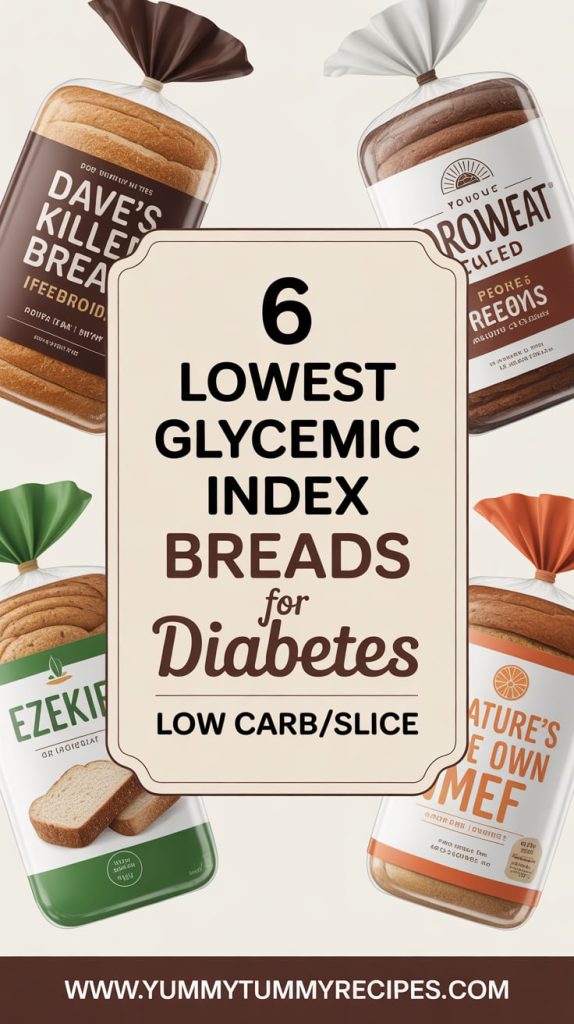
The Glycemic Index is a scale from 0 to 100 that ranks carbohydrate-containing foods by how much they raise blood glucose levels. Foods with a low GI (55 or less) are digested and absorbed more slowly, leading to a gentler, more gradual rise in blood sugar.
This article explores six types of bread that generally have a low glycemic index, making them a better choice for diabetes management. We’ll cover their pros, cons, and suggested brands to look for on your next grocery trip.
A Quick Guide: What to Look for on the Label
Before we get to the list, here are the three most important things to check when buying any bread:
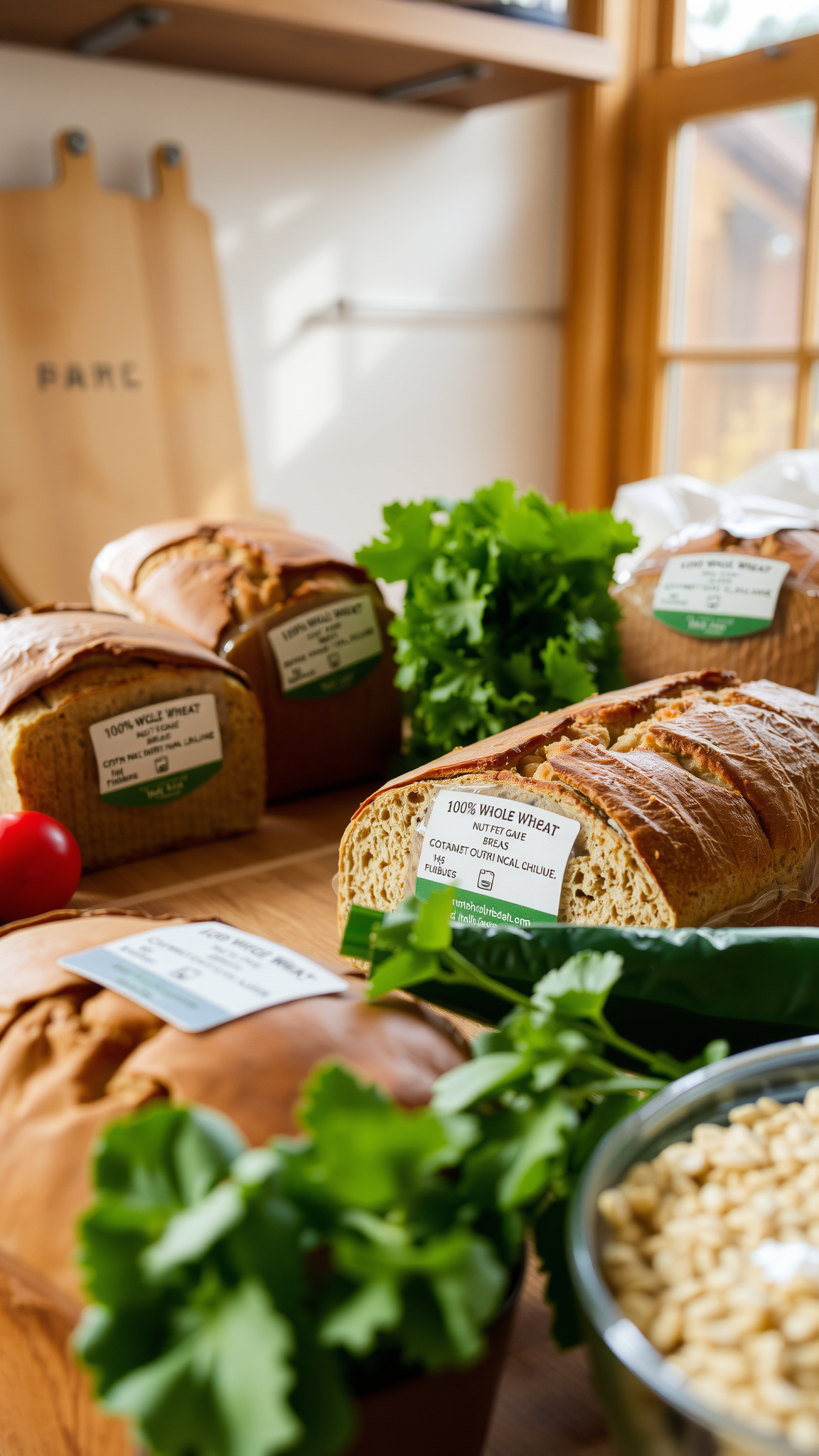
- The First Ingredient: Do not be fooled by “wheat flour” or “multigrain.” The very first ingredient should say “100% whole wheat,” “100% whole grain,” “sprouted grain,” or “whole rye.”
- Fiber Content: Look for at least 3 grams of fiber per slice. Fiber is crucial as it slows down the digestion of carbohydrates, helping to prevent blood sugar spikes.
- Net Carbohydrates: Pay attention to the “Total Carbohydrates” and “Dietary Fiber.” While not a perfect science, some people find it helpful to track net carbs (Total Carbs – Fiber) to gauge a food’s impact.
6 Low-Glycemic Bread Options for Diabetes Management
Here are six types of bread, backed by their typical GI ratings and nutritional benefits, that can be a smart part of a diabetes-friendly diet.
1. Sprouted Grain Bread
Sprouted grain bread, like the popular Ezekiel bread, is made from whole grains that have been allowed to germinate, or “sprout,” before being milled into flour. This process changes the nutritional profile of the grain.
- Pros: The sprouting process breaks down some of the starch, which lowers the bread’s glycemic index (often in the 30-50 range). It also increases the availability of certain nutrients and can make the bread easier to digest. Many sprouted breads are also a “complete protein,” containing all nine essential amino acids.
- Cons: Sprouted bread has a denser, heartier texture that some may not prefer. It is almost always sold frozen to prevent molding (as it often lacks preservatives) and is typically more expensive than regular bread.
- Suggested Brands: Food for Life (Ezekiel 4:9), Angelic Bakehouse, Silver Hills Bakery, Dave’s Killer Bread (Sprouted Whole Grains).
2. True Sourdough Bread
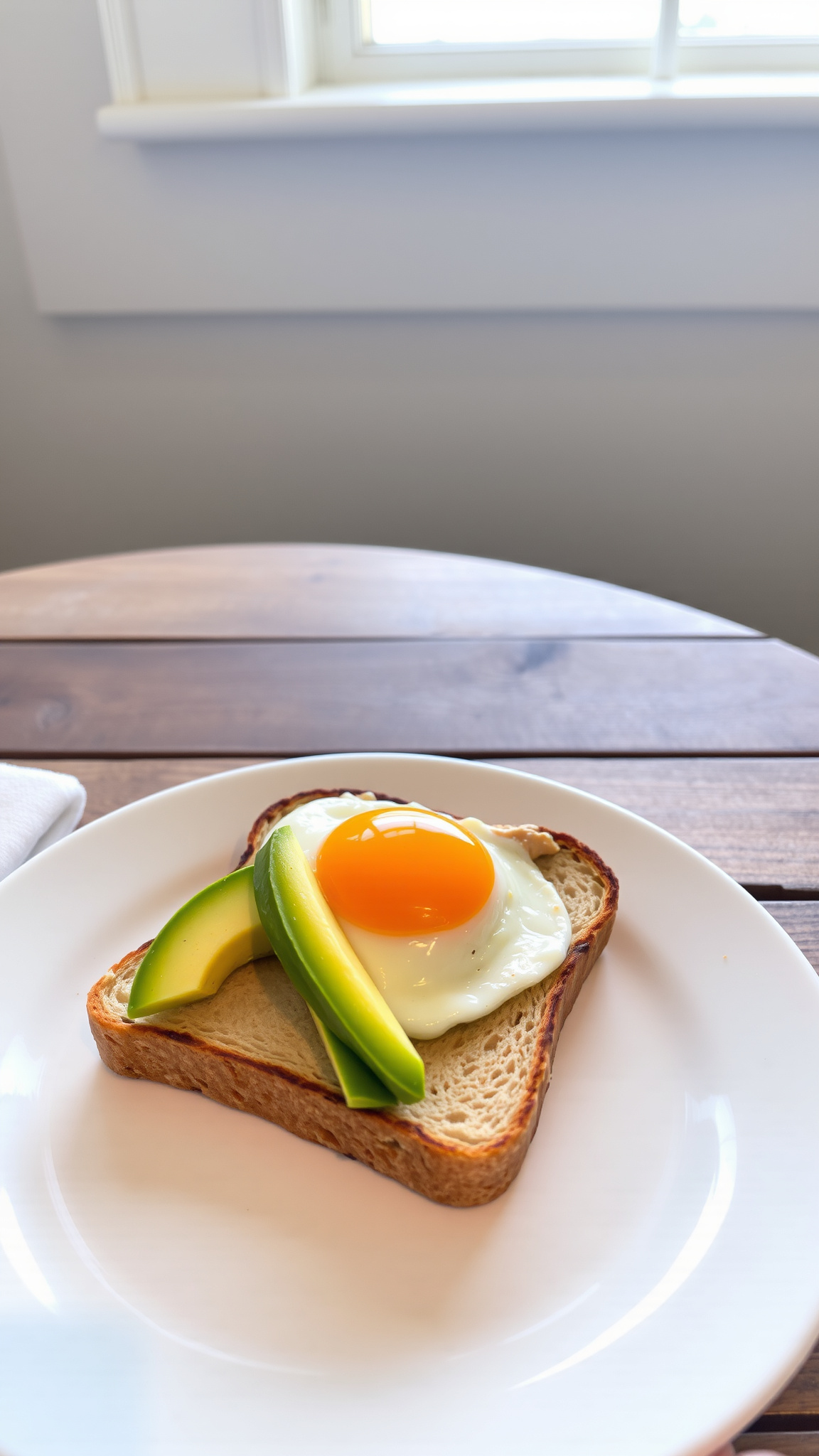
Authentic sourdough bread is leavened using a “starter” of wild yeast and lactic acid bacteria, not commercial yeast. This long fermentation process has a unique effect on the carbohydrates.
- Pros: The acids produced during fermentation (lactic acid and acetic acid) slow down the rate at which the starch is digested. This gives true sourdough a lower GI (around 54) than most other breads, even white sourdough. The fermentation also pre-digests some of the gluten and phytic acid, making it easier on the gut for some people.
- Cons: The key word is “true.” Many supermarket breads are just “sourdough-flavored” with commercial yeast and vinegar. You must buy from an artisan bakery or a brand that specifies “slow fermentation” and a simple ingredient list (flour, water, salt, starter). It can also be high in sodium.
- Suggested Brands: Local artisan bakeries are your best bet. Brands like Berlin Natural Bakery (Spelt Sourdough) are a good packaged option.
3. 100% Stone-Ground Whole Wheat Bread
This is a classic, but the wording is critical. “100% Whole Wheat” means the entire grain kernel (the bran, germ, and endosperm) is used, ensuring you get all the fiber. “Stone-ground” is even better, as it’s a less processed milling technique that often results in a coarser, more slowly-digested flour.
- Pros: It’s widely available, affordable, and high in fiber, which helps manage blood sugar. The GI is typically in the low-to-mid 50s.
- Cons: You must read the label. “Wheat bread” or “multigrain” (unless it says “100% whole”) often contains a mix of whole and refined white flour. Many brands also add sugar or high-fructose corn syrup to improve the taste.
- Suggested Brands: Pepperidge Farm (100% Whole Wheat), Arnold (100% Whole Wheat), or store brands that clearly state “100% Whole Wheat” as the first ingredient.
4. Whole Rye and Pumpernickel Bread
Traditional pumpernickel bread is not the dark brown, molasses-flavored bread you often find in U.S. supermarkets. True pumpernickel is a dense, heavy German bread made from 100% whole rye kernels.
- Pros: Both whole rye and traditional pumpernickel have a very low GI (40-45). They are incredibly high in soluble fiber, which is excellent for blood sugar control and feeling full.
- Cons: The texture is very dense, heavy, and the flavor is an acquired taste for some. Many American-style pumpernickel brands are simply rye and white flour mixed with molasses or caramel coloring, which will spike blood sugar. Look for imported German brands.
- Suggested Brands: Mestemacher, Rubschlager (look for “100% Whole Rye” or “Fitness Bread”). These are often found in the international or health food section, not the main bread aisle.
5. High-Fiber Seed and Nut Breads
These breads are often a blend of whole grains but get their low-GI power from the addition of large amounts of seeds like flax, chia, sunflower, and pumpkin, or even nut flours.
- Pros: The high fiber and healthy fats from the seeds and nuts dramatically slow down the absorption of carbohydrates, resulting in a very low GI (often 30-40). They are also very nutrient-dense and high in protein and omega-3 fatty acids.
- Cons: These breads are very calorie-dense. While they are great for blood sugar, portion control is essential, as a single slice can be 120 calories or more. They are also among the most expensive options.
- Suggested Brands: Dave’s Killer Bread (Powerseed or Good Seed), Sola, Carbonaut (also low-carb).
6. Low-Carb (Almond or Coconut Flour) Bread
For those also following a low-carb diet, these breads (often labeled “Keto-friendly”) ditch grains entirely. They use nut flours (like almond or coconut flour) and fibers (like psyllium husk) as their base.
- Pros: These breads have a minimal, almost-zero impact on blood sugar. Their GI is often negligible because they contain very few digestible carbs.
- Cons: The texture and taste are very different from traditional bread. They can be crumbly, “eggy,” or spongy. They are also very expensive and must be stored in the fridge or freezer.
- Suggested Brands: Carbonaut, Sola, Unbun, or homemade recipes.
A Final Word on Portion Control
Finding a low-GI bread is only half the battle. Portion control is the most critical factor. A food with a low glycemic index will still raise your blood sugar significantly if you eat a large quantity. A single slice (one serving) is often the best approach.
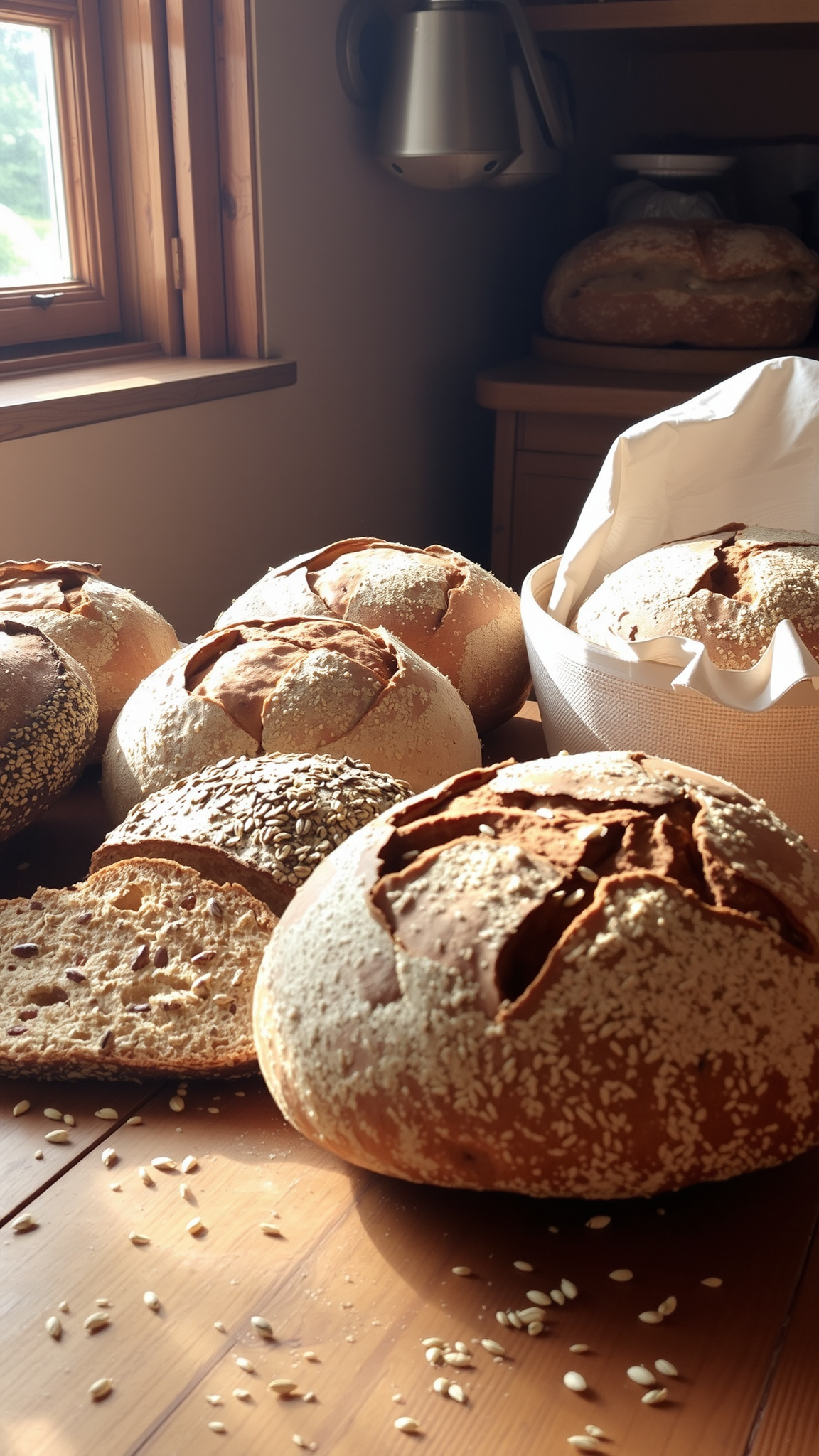
To further blunt any blood sugar response, never eat bread alone. Pair your slice of low-GI bread with a healthy protein and fat, such as:
- An egg
- Avocado
- Natural peanut or almond butter
- A slice of turkey

Conclusion
Managing diabetes doesn’t mean giving up bread forever. It means becoming a smarter shopper. By focusing on 100% whole grains, high fiber, and checking the ingredient list, you can find a satisfying bread that won’t derail your blood sugar management.
Always consult with your doctor or a registered dietitian before making significant changes to your diet. They can help you determine the right carbohydrate goals for your individual health needs.


