
how to make crescent roll recipe for breakfast
There is something undeniably special about pulling a tray of golden, homemade crescent rolls out of the oven on a quiet morning. While it might seem intimidating to work with yeast dough, the process is actually quite therapeutic and straightforward. I have spent years tweaking this recipe to ensure it yields the perfect balance of a slightly crisp exterior and a soft, pillowy interior. These rolls are far superior to anything you pop out of a cardboard tube, and they make your kitchen smell incredible. Let’s get baking.

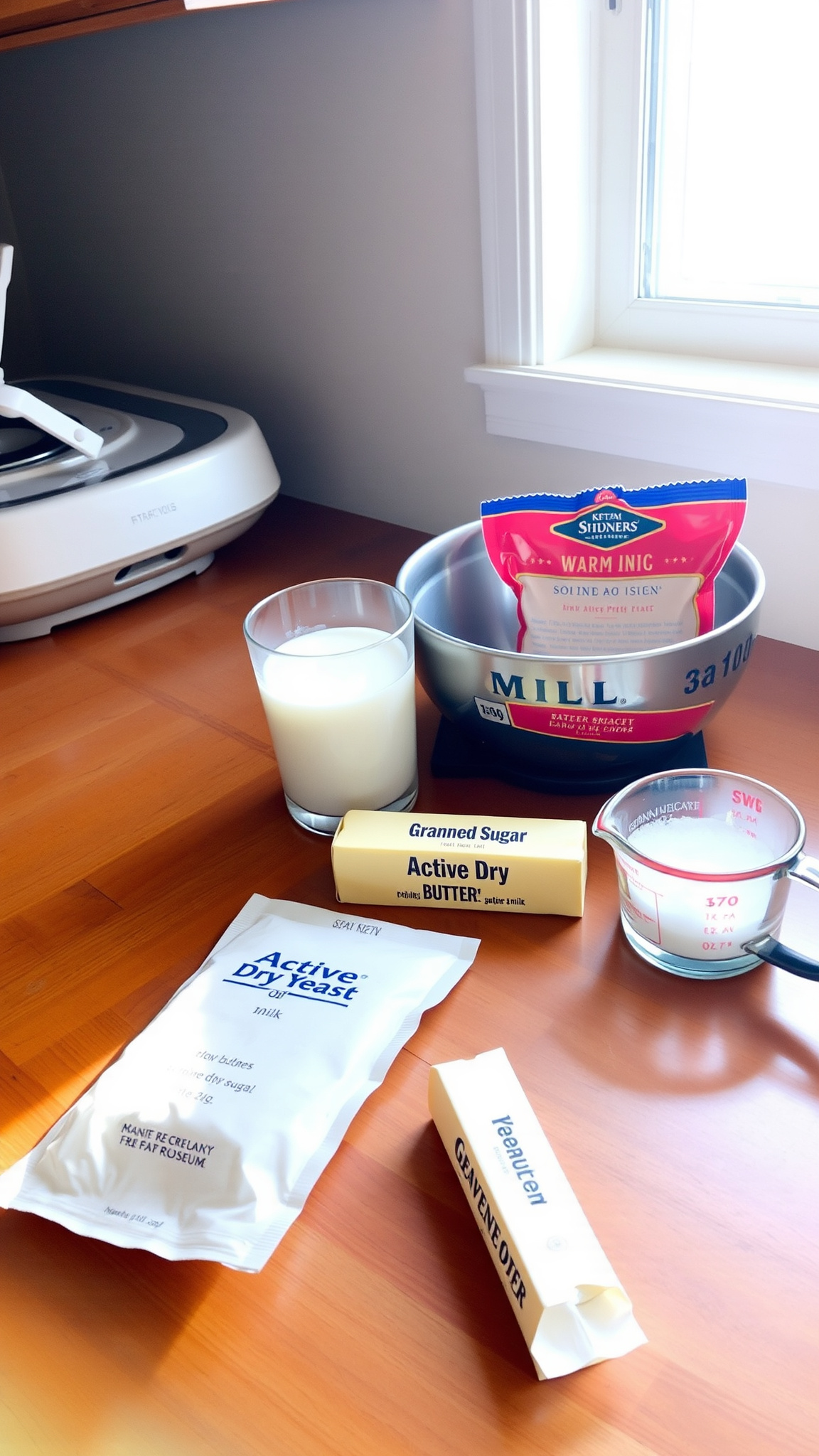
Ingredients You Will Need
To achieve that classic flaky texture, we use a combination of milk and butter. Make sure your yeast is fresh before you begin.
- Warm Milk: 3/4 cup (approx. 110°F / 45°C)
- Active Dry Yeast: 2 1/4 teaspoons (1 packet)
- Granulated Sugar: 1/4 cup
- Unsalted Butter (softened): 4 tablespoons (for the dough)
- Unsalted Butter (melted): 2 tablespoons (for brushing inside the rolls)
- Large Egg: 1 (room temperature)
- All-Purpose Flour: 3 to 3 1/2 cups
- Salt: 1 teaspoon
- Optional: 1 egg beaten with a splash of water (for egg wash)1
Step-by-Step Instructions
Follow these steps carefully to ensure your dough rises properly and develops those distinct layers.
1. Activate the Yeast
In the bowl of a stand mixer or a large mixing bowl, combine the warm milk and one tablespoon of the sugar. Sprinkle the yeast over the top and gently stir. Let it sit for 5 to 10 minutes until the mixture becomes frothy and bubbly.
2. Mix the Dough
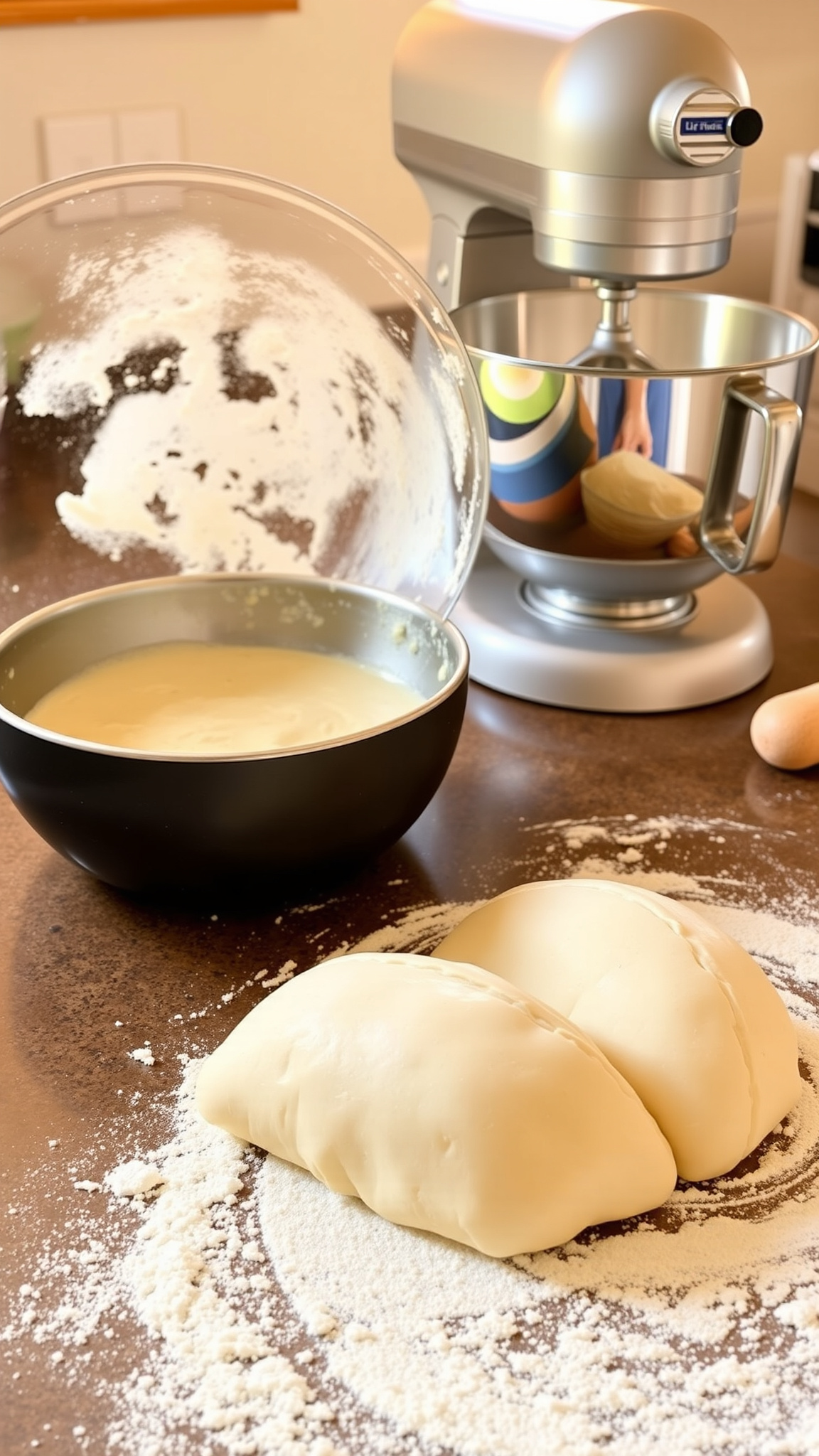
Add the remaining sugar, softened butter, egg, and salt to the yeast mixture. Stir to combine. Gradually add the flour, one cup at a time, mixing on low speed. You want a soft dough that pulls away from the sides of the bowl but is still slightly tacky to the touch.
3. Knead Until Smooth
If using a stand mixer, switch to the dough hook and knead on medium-low speed for about 5 to 7 minutes. If kneading by hand, turn the dough onto a lightly floured surface and knead for 8 to 10 minutes until smooth and elastic.
4. First Rise
Lightly grease a large bowl with oil or cooking spray. Place the dough inside, turning it once to coat all sides. Cover with plastic wrap or a clean kitchen towel. Place the bowl in a warm, draft-free spot and let it rise for about 1 to 1.5 hours, or until doubled in size.
5. Shape the Rolls
Punch the dough down gently to release air bubbles. Divide the dough in half. On a lightly floured surface, roll one half into a large circle, approximately 12 inches in diameter. Brush the surface lightly with the melted butter. Use a pizza cutter or sharp knife to slice the circle into 8 wedges (like a pizza).
6. Roll and Rise Again
Starting at the wide end of each wedge, roll the dough up toward the point. Place the rolls on a baking sheet lined with parchment paper, ensuring the tip of the dough is tucked underneath so it doesn’t unroll during baking. Repeat with the second half of the dough. Cover loosely and let rise for another 30 to 45 minutes until puffy.
7. Bake
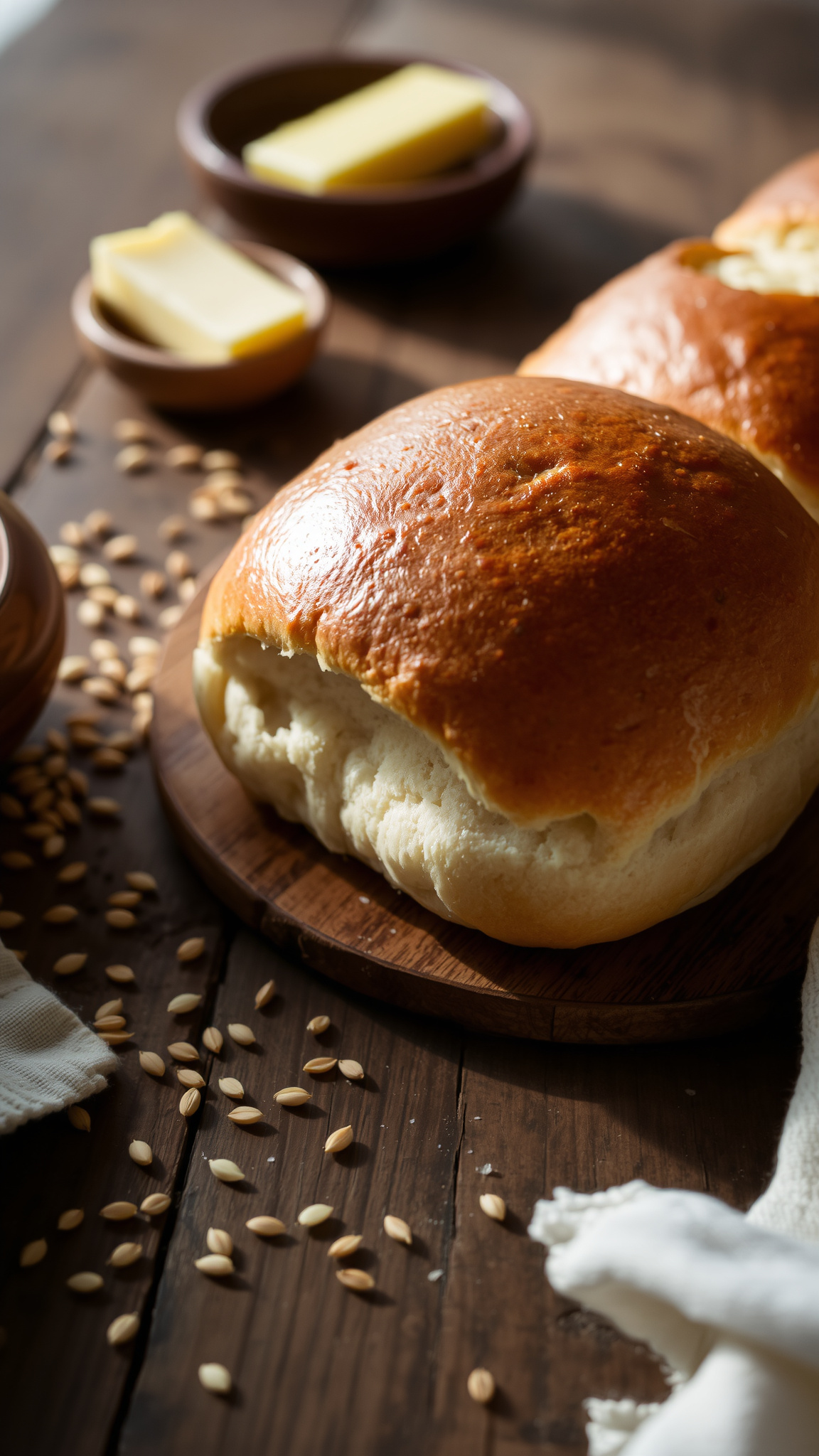
Preheat your oven to 375°F (190°C). If you want a shiny, golden crust, gently brush the tops with the egg wash. Bake for 12 to 15 minutes, or until the rolls are golden brown.
Nutrition Facts
Values are approximate per roll based on a yield of 16 rolls.
| Nutrient | Amount |
| Calories | 145 kcal |
| Total Fat | 5g |
| Saturated Fat | 3g |
| Cholesterol | 25mg |
| Sodium | 150mg |
| Carbohydrates | 22g |
| Sugars | 4g |
| Protein | 3g |
Helpful Tips for Success
- Temperature Matters: The milk should be warm to the touch but not hot. If it is too hot (over 120°F), it will kill the yeast and the dough will not rise.
- Don’t Over-Flour: It is tempting to add more flour if the dough feels sticky, but too much flour results in dense, dry rolls. The dough should be soft.
- The Butter Layer: Brushing melted butter on the rolled-out dough before cutting the wedges is the secret to creating flaky internal layers.
- Tucking the Point: Always ensure the pointy end of the crescent is on the bottom when you place it on the baking sheet. This keeps the classic shape intact as it expands in the oven.
Breakfast Variations
Since you are serving these for breakfast, you can easily modify the filling to make them savory or sweet.
- Ham and Cheese: Place a small slice of deli ham and a pinch of cheddar cheese at the wide end of the wedge before rolling up.
- Cinnamon Sugar: Brush the dough with butter and sprinkle generously with cinnamon and sugar before cutting into wedges.2
- Nutella or Jam: Spread a thin layer of hazelnut spread or strawberry jam on the dough circle before slicing.
- Everything Bagel: Brush the outside with egg wash and sprinkle with everything bagel seasoning before baking.
How to Serve
These rolls are versatile enough to be the star of the breakfast table or a side dish.
- Classic Continental: Serve warm with a side of salted butter and orange marmalade.
- Breakfast Sandwich: Slice a baked roll in half and fill it with scrambled eggs and bacon.
- With Gravy: For a hearty option, serve biscuits-and-gravy style with sausage gravy ladled over the top.
Storage and Reheating
Countertop: Store completely cooled rolls in an airtight container or ziplock bag at room temperature for up to 3 days.
Freezing: You can freeze baked rolls for up to 2 months.3 Wrap them tightly in foil and place them in a freezer bag.
Reheating: To restore the fresh-baked texture, wrap the rolls in foil and warm them in a 350°F oven for 5 to 10 minutes. Microwaving is possible (10-15 seconds) but will result in a softer, less flaky texture.
Frequently Asked Questions
Can I make the dough the night before?
Yes. You can prepare the dough through the kneading step and let it do its first rise in the refrigerator overnight (slow fermentation). In the morning, let the dough come to room temperature for 30 minutes before shaping and doing the second rise.
Why are my crescent rolls heavy and dense?
This usually happens if the yeast was expired, the liquid was too hot, or too much flour was added during kneading. Using a kitchen scale to measure flour is the most accurate method to avoid density.4
Can I use instant yeast instead of active dry?
Absolutely. If using instant yeast, you do not need to dissolve it in the water first. You can mix it directly with the flour and other dry ingredients. The rise times may be slightly faster.
What creates the flaky layers?
The layers are created by the separation of dough by fat (the melted butter brushed inside). When the water in the butter evaporates during baking, it creates steam, lifting the layers of dough apart.5
Conclusion
Making crescent rolls from scratch elevates a standard breakfast into a memorable meal. While it requires a bit of patience for the rising times, the result—buttery, flaky, and golden pastry—is well worth the effort. Once you master this basic technique, you can experiment with endless fillings to suit your morning cravings.


