

5 Powerful Drinks to Increase Breast Milk Supply (+ 5 Drinks to Avoid)
Many breastfeeding mothers look for safe and effective ways to support their milk supply. While hydration is essential, certain drinks provide additional nutrients that help your body produce milk more efficiently.

At the same time, some beverages can actually slow milk production or cause discomfort for you or your baby. In this guide, you’ll find helpful, evidence-based suggestions that fit easily into your daily routine.
1. Fenugreek and Fennel Seed Tea
This warm, soothing drink is a favorite among breastfeeding mothers because both fenugreek and fennel contain natural galactagogues that may support milk flow. It’s also gentle on digestion and simple to prepare at home without any special ingredients.
Ingredients
- 1 teaspoon fenugreek seeds
- 1 teaspoon fennel seeds
- 1.5 cups water
- 1 teaspoon honey (optional)
- Lemon slice (optional)
How to Make
- Rinse the seeds quickly under clean water.
- Add them to a small pot with water and bring to a boil.
- Reduce heat and simmer for 8–10 minutes.
- Strain into a mug and add honey or lemon if desired.
- Drink warm, preferably once or twice a day.
Nutrition Facts (Per Cup)
| Nutrient | Amount |
|---|---|
| Calories | 10–12 |
| Carbohydrates | 2 g |
| Protein | 0.4 g |
| Fat | 0.2 g |
| Key Compounds | Phytoestrogens, antioxidants |

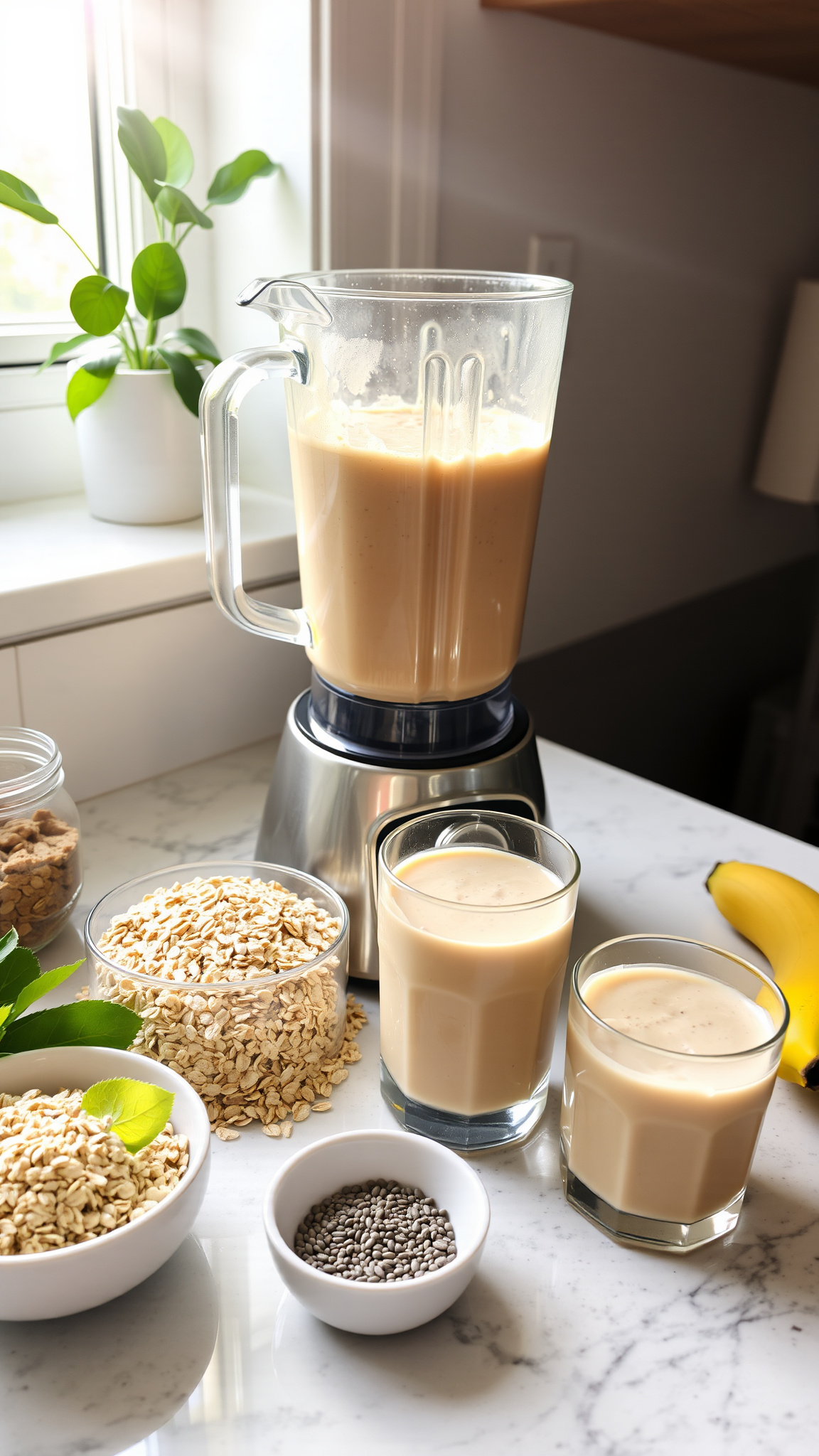
2. Oat Milk Smoothie
Oats are rich in beta-glucan, a compound linked to increased prolactin levels. Blending oats with nuts, fruit, or seeds makes a nourishing drink that supports energy, blood sugar balance, and milk production.
Ingredients
- ½ cup rolled oats
- 1 cup oat milk or water
- 1 tablespoon almond butter
- ½ banana
- 1 teaspoon chia seeds
- Ice cubes
How to Make
- Add all ingredients to a blender.
- Blend on high until smooth and creamy.
- Add more liquid if you prefer a thinner drink.
- Serve immediately.
Nutrition Facts (Per Glass)
| Nutrient | Amount |
|---|---|
| Calories | 220–250 |
| Carbohydrates | 35 g |
| Protein | 6–7 g |
| Fat | 8–10 g |
| Fiber | 5–6 g |
3. Warm Milk with Turmeric and Dates
This traditional postpartum drink provides natural energy and nourishment. Dates offer iron and minerals that support maternal health, while turmeric has anti-inflammatory properties. Many women find this drink calming during evening feeds.
Ingredients
- 1 cup warm milk (dairy or fortified plant-based)
- 1–2 soft dates
- ¼ teaspoon turmeric powder
- Pinch of cinnamon
- 1 teaspoon ground flaxseed (optional)
How to Make
- Heat the milk gently on the stove.
- Add turmeric and cinnamon, stirring well.
- Blend the warm milk with the dates for a smoother texture.
- Pour into a mug and enjoy.
Nutrition Facts (Per Cup)
| Nutrient | Amount |
|---|---|
| Calories | 180–200 |
| Carbohydrates | 28 g |
| Protein | 6–8 g |
| Fat | 4–6 g |
| Key Nutrients | Calcium, iron, B vitamins |

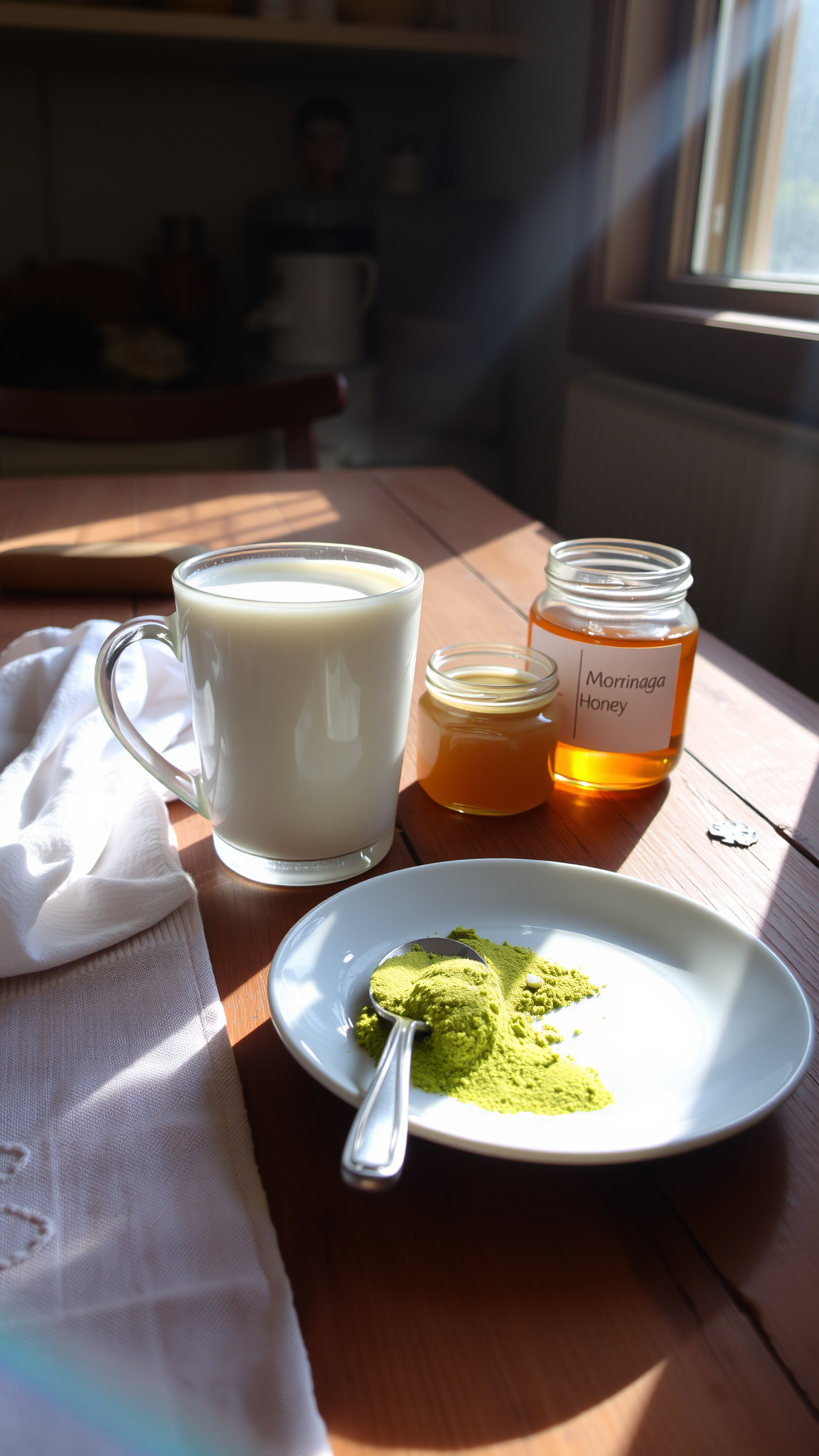
4. Moringa Leaf Drink
Moringa is one of the most researched natural galactagogues. Studies show it may support higher milk volume in postpartum women. It’s packed with vitamins A, C, and minerals like calcium.
Ingredients
- 1 teaspoon moringa powder
- 1 cup warm water or warm milk
- 1 teaspoon honey (optional)
How to Make
- Add moringa powder to a cup.
- Pour warm water or milk over it.
- Stir well until dissolved.
- Drink once daily, preferably in the morning.
Nutrition Facts (Per Cup)
| Nutrient | Amount |
|---|---|
| Calories | 20–25 |
| Protein | 2 g |
| Fiber | 1 g |
| Iron | 2–3 mg |
| Vitamin A | High levels |
5. Barley Water
Barley is hydrating and rich in beta-glucan, similar to oats. It also supports healthy digestion, which can be especially helpful postpartum.
Ingredients
- ¼ cup barley grains
- 3 cups water
- 1 teaspoon honey (optional)
- Lemon slice (optional)
How to Make
- Rinse the barley.
- Boil barley with water for 25–30 minutes.
- Strain the liquid and let it cool.
- Add honey or lemon if desired.
- Drink warm or chilled throughout the day.
Nutrition Facts (Per Cup)
| Nutrient | Amount |
|---|---|
| Calories | 30–35 |
| Carbohydrates | 7 g |
| Protein | 0.5 g |
| Fat | 0.1 g |
| Fiber | Trace amounts |
5 Drinks to Avoid While Breastfeeding
These beverages may reduce milk supply or cause digestive or sleep issues for babies.
1. Excess Caffeine
Large amounts of caffeine can make babies restless and may affect sleep. It may also mildly reduce milk volume in some women.
2. Alcohol
Alcohol enters breast milk and may decrease milk output. Even small amounts affect infant development and sleep.
3. Sage or Peppermint Teas (Strong)
These herbs can reduce milk production when consumed in large amounts or concentrated forms.
4. Highly Sugary Soft Drinks
Sugary beverages add calories without nutrients and may cause energy crashes.
5. Energy Drinks
These often contain high caffeine levels, artificial additives, and stimulants that are not recommended during breastfeeding.
Frequently Asked Questions
1. How much water should a breastfeeding mother drink each day?
Most women do well with drinking to thirst, but aiming for 8–10 cups daily helps maintain hydration, especially during warm weather or frequent nursing.
2. How long does it take to see an increase in milk supply from these drinks?
Some women notice changes within a few days, while others may need a week or more. Consistency and overall nutrition matter.
3. Are these drinks safe after a C-section?
Yes, most are safe, but always consult your healthcare provider if you’re on medication or have medical conditions.
4. Can I combine two or more milk-boosting drinks in one day?
Yes, as long as you’re not exceeding recommended servings and your digestion feels comfortable.
5. Are these drinks helpful for pumping mothers?
Yes. Proper hydration and nutrient-dense drinks can support pumping output as well.
Conclusion
Supporting your breast milk supply doesn’t need to feel confusing. Simple, nourishing drinks like fenugreek tea, oat smoothies, moringa, barley water, and warm milk with dates can give your body the nutrients it needs. At the same time, avoiding heavy caffeine, alcohol, sugary drinks, and certain herbs helps protect both your milk production and your baby’s comfort. With steady habits and balanced nutrition, most mothers find that their supply naturally improves.


