

Easy Pasta Primavera Recipe
I always whip up this pasta primavera right after hitting the local farmers market in late spring. My bags overflow with crisp asparagus and sweet peas that are fading fast, plus the first zucchini and juicy cherry tomatoes kicking off summer. That magical overlap of seasons feels like a fleeting party, so I grab my skillet, boil some pasta, and mix it all up to capture that fresh vibe in every bite.
This dish screams simplicity and health, loaded with colorful veggies tossed in a light sauce. It’s my go-to for busy weeknights or lazy weekends when I crave something vibrant without the fuss. Trust me, once you try it, you’ll be hooked on how easy it is to turn garden-fresh produce into a meal that feels fancy but takes no time at all.
Recipe Overview
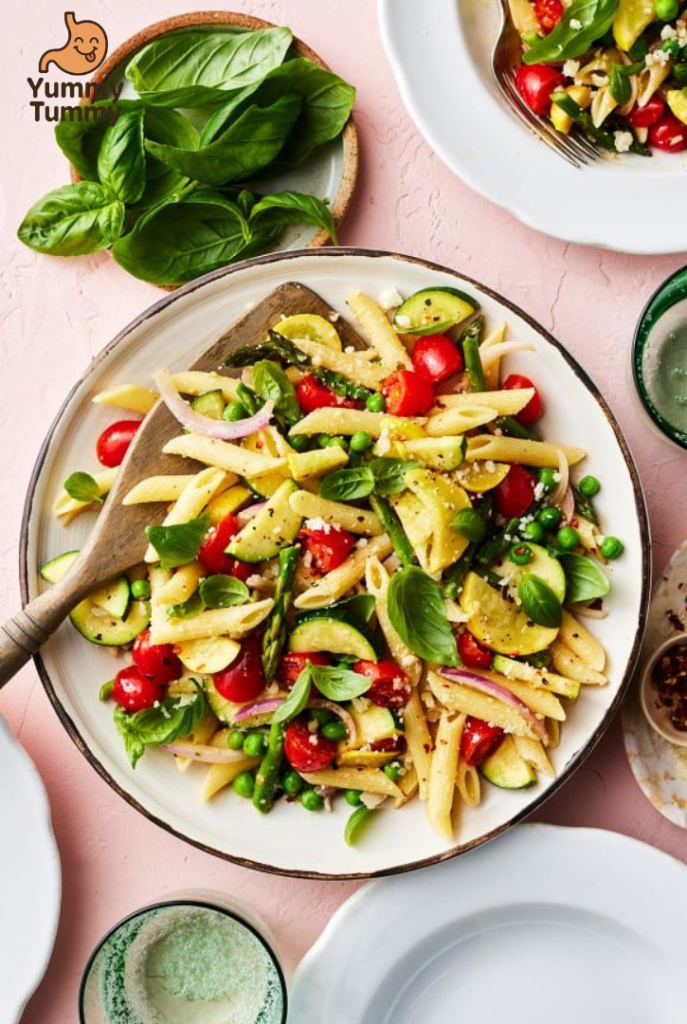
Pasta primavera is Italian for “spring pasta,” but honestly, it shines any time of year with whatever veggies are in season. This version keeps things light and vegetarian, focusing on a medley of crisp vegetables sautéed just right, then mixed with al dente pasta and a zesty lemon-garlic sauce. It’s perfect for family dinners, potlucks, or even meal prep.
Prep time: 15 minutes
Cook time: 20 minutes
Total time: 35 minutes
Servings: 4
Difficulty: Easy
Cuisine: Italian-American
Diet: Vegetarian (can be made vegan by skipping cheese)
Ingredients You’ll Need
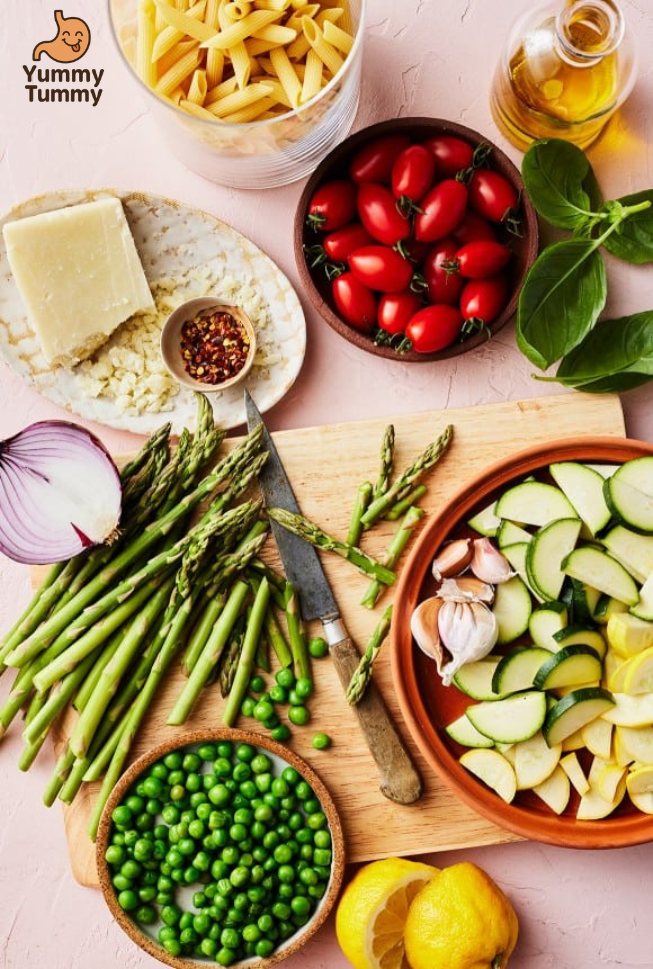
Gather these fresh items for a pasta primavera that pops with flavor. I like to shop local for the best taste, but your grocery store works fine too.
For the Pasta and Veggies:
- 8 ounces pasta (like penne, fettuccine, or spaghetti – I prefer whole wheat for extra nuttiness)
- 1 cup asparagus, trimmed and cut into 1-inch pieces
- 1 cup fresh peas (or frozen if that’s what you have)
- 1 medium zucchini, sliced into half-moons
- 1 cup cherry tomatoes, halved
- 1 bell pepper (red or yellow for sweetness), thinly sliced
- 1 small broccoli head, cut into florets
- 2 cloves garlic, minced
- 2 tablespoons olive oil
- Salt and black pepper to taste
For the Sauce:
- Juice and zest of 1 lemon (adds that bright kick)
- 1/4 cup grated Parmesan cheese (or nutritional yeast for vegan)
- 1/4 cup fresh basil, chopped (or parsley if basil’s not your thing)
- Optional: A pinch of red pepper flakes for heat
This list makes about 4 hearty servings. Feel free to swap in whatever veggies you love – it’s all about that fresh vegetable pasta vibe.
Step-by-Step Instructions
Making pasta primavera is a breeze. Just follow these steps, and you’ll have a colorful, healthy pasta dish on the table in no time.
Step 1: Prep Your Veggies
Start by washing and chopping all your vegetables. Trim the tough ends off the asparagus, slice the zucchini, halve those cherry tomatoes, and get everything ready. This step saves time later and keeps things moving smoothly.
I like to keep the pieces bite-sized so they cook evenly. Oh, and if using frozen peas, no need to thaw – they’ll warm up in the pan.
Step 2: Cook the Pasta
Bring a large pot of salted water to a boil. Add your pasta and cook according to the package directions until al dente – that’s firm to the bite, not mushy.
Drain the pasta, but save about 1/2 cup of the pasta water. It helps make the sauce silky without extra cream.
Step 3: Sauté the Vegetables
While the pasta boils, heat olive oil in a large skillet over medium heat. Toss in the garlic and sauté for 1 minute until fragrant – don’t let it burn, or it’ll turn bitter.
Add the asparagus, broccoli, zucchini, and bell pepper. Cook for 5-7 minutes, stirring often, until they’re tender-crisp. Throw in the peas and cherry tomatoes last, just to warm them through.
Step 4: Make the Sauce and Combine
Stir in the lemon zest, juice, and a splash of reserved pasta water to loosen things up. Add the cooked pasta to the skillet and toss everything together.
Sprinkle in the Parmesan, basil, salt, pepper, and red pepper flakes if you want a kick. Give it a good mix until the cheese melts and coats the pasta lightly.
Step 5: Serve It Up
Plate immediately for the best texture. Garnish with extra basil or a lemon wedge if you’re feeling fancy.
There you have it – a simple pasta recipe bursting with spring vegetables and summer freshness.
Helpful Tips
To nail this every time, keep your veggies crisp. Overcooking turns them mushy, so taste as you go. If your sauce feels too thick, add more pasta water – it’s like magic for creamy textures without dairy.
Pro tip: Use a wide skillet to avoid crowding the veggies; they need space to sauté properly. And if you’re short on time, chop everything ahead – it makes this easy weeknight pasta even quicker.
Always zest the lemon before juicing; it’s easier that way. Little things like this make cooking feel effortless.
Variations
Switch it up to keep things exciting. For a protein boost, add grilled chicken or shrimp – it turns this vegetarian pasta into a heartier meal.
Go vegan by swapping Parmesan for nutritional yeast or skipping it altogether. Or try gluten-free pasta for dietary needs.
In fall, sub in butternut squash or mushrooms for that seasonal twist. Experiment with herbs like thyme or oregano for different flavors. This flexible recipe adapts to whatever’s fresh.
How to Serve
Serve pasta primavera hot, straight from the skillet, with a side of crusty bread to sop up the sauce. It’s great as a main dish, but pairs well with a simple green salad dressed in vinaigrette.
For gatherings, present it family-style in a big bowl. Kids love the colors, and adults appreciate the light, zesty taste. It’s versatile for lunch leftovers too – just reheat gently.
Storage Instructions
Leftovers? No problem. Store in an airtight container in the fridge for up to 3 days. The veggies might soften a bit, but the flavors deepen.
To reheat, warm in a skillet with a splash of water or olive oil over low heat. Avoid microwaving if you can – it keeps the texture better.
Freezing isn’t ideal since the veggies get soggy, but if you must, freeze for up to a month and thaw overnight before reheating.
Nutrition Facts
Per serving (based on 4 servings):
Calories: 350
Total Fat: 10g (mostly from olive oil)
Saturated Fat: 2g
Cholesterol: 5mg
Sodium: 200mg
Total Carbohydrates: 55g
Dietary Fiber: 8g
Sugars: 6g
Protein: 12g
This healthy pasta recipe is packed with vitamins from the veggies – think vitamin C from broccoli and peppers, plus fiber for gut health. It’s a balanced meal that’s low in calories but high in satisfaction.
Note: Numbers can vary based on exact ingredients; use an app like MyFitnessPal for precision.
FAQs
What does pasta primavera mean?
It translates to “spring pasta” in Italian, highlighting fresh spring vegetables. But you can make it year-round with seasonal produce.
Can I make this ahead?
Yes, prep the veggies and sauce a day early. Just cook the pasta fresh to avoid sogginess.
Is pasta primavera healthy?
Absolutely! It’s loaded with veggies, whole grains if you choose, and minimal oil. A great option for light vegetarian dinners.
What pasta shape is best?
Any works, but short shapes like penne hold the sauce well. Long ones like spaghetti add elegance.
How do I make it creamier?
Stir in a bit of cream or Greek yogurt at the end, but keep it light to stay true to the recipe.
There, that covers the basics. If you have more questions, drop them in the comments!
Conclusion
This pasta primavera is all about celebrating fresh, simple ingredients that come together in a dish that’s as nutritious as it is delicious. It’s my favorite way to turn a pile of veggies into something special, reminding me that good food doesn’t need to be complicated. Whether you’re feeding the family or just treating yourself, it hits the spot every time.
So, why not give it a whirl? Save this recipe for your next market haul, or tweak it with what you have on hand. You’ll love how easy and flavorful it is – trust me, it’s become a staple in my kitchen. Try this fresh vegetable pasta tonight, and let me know how it turns out in the comments!


