

9 Flours with the Lowest Glycemic Index – Pros & Cons, Nutrition Comparison
Understanding the glycaemic index (GI) of flour is important if you’re trying to manage blood sugar, maintain steady energy, or choose healthier baking options. The GI measures how quickly carbohydrates in food raise blood glucose after eating. Foods with a GI of 55 or below are considered low-GI, 56–69 is medium, and 70 or above is high.

Flour type, processing method, fibre content, and how it’s used all affect the GI of the final product.
Below are nine flour types that rank among the lower GI options — each with key nutrition notes, benefits, and drawbacks.
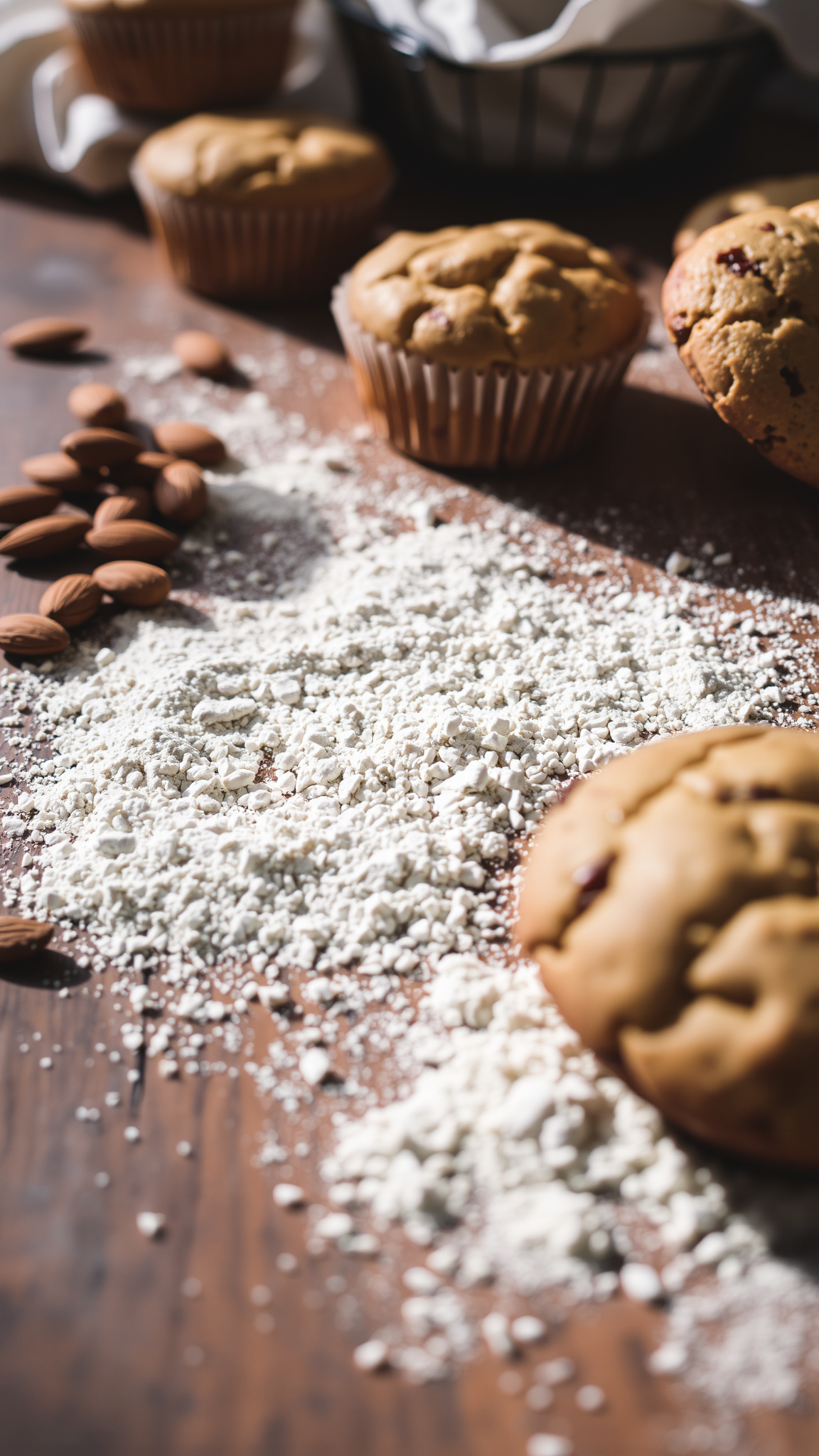
1. Almond Flour
GI estimate: Less than 1-20 (very low)
Pros: Made from finely ground almonds; high in healthy fats, protein, and fibre; very low in digestible carbs, which helps blunt blood sugar spikes.
Cons: More expensive than regular wheat flour; texture and moisture absorption differ (it tends to make denser bakes); if you have a tree-nut allergy it’s off limits.
Nutrition note: Because the carb content is so low, almond flour produces minimal insulin/glucose response compared to refined flour.
Usage tip: Great in muffins, cookies, pancakes (often in combination with other flours for texture).
2. Soy Flour
GI estimate: Around 5 (very low)
Pros: Gluten-free (depending on brand), high in plant-protein, low in carbs; supports blood-sugar stability.
Cons: Distinct flavour (some may find it “beany”); as with almond flour, baking characteristics differ (may need recipe adaptation).
Nutrition note: Because of the protein and low carb content, soy flour shifts the glycaemic burden away from fast carbohydrates.
Usage tip: Consider blending soy flour with whole-grain flour to retain familiar texture while lowering GI impact.

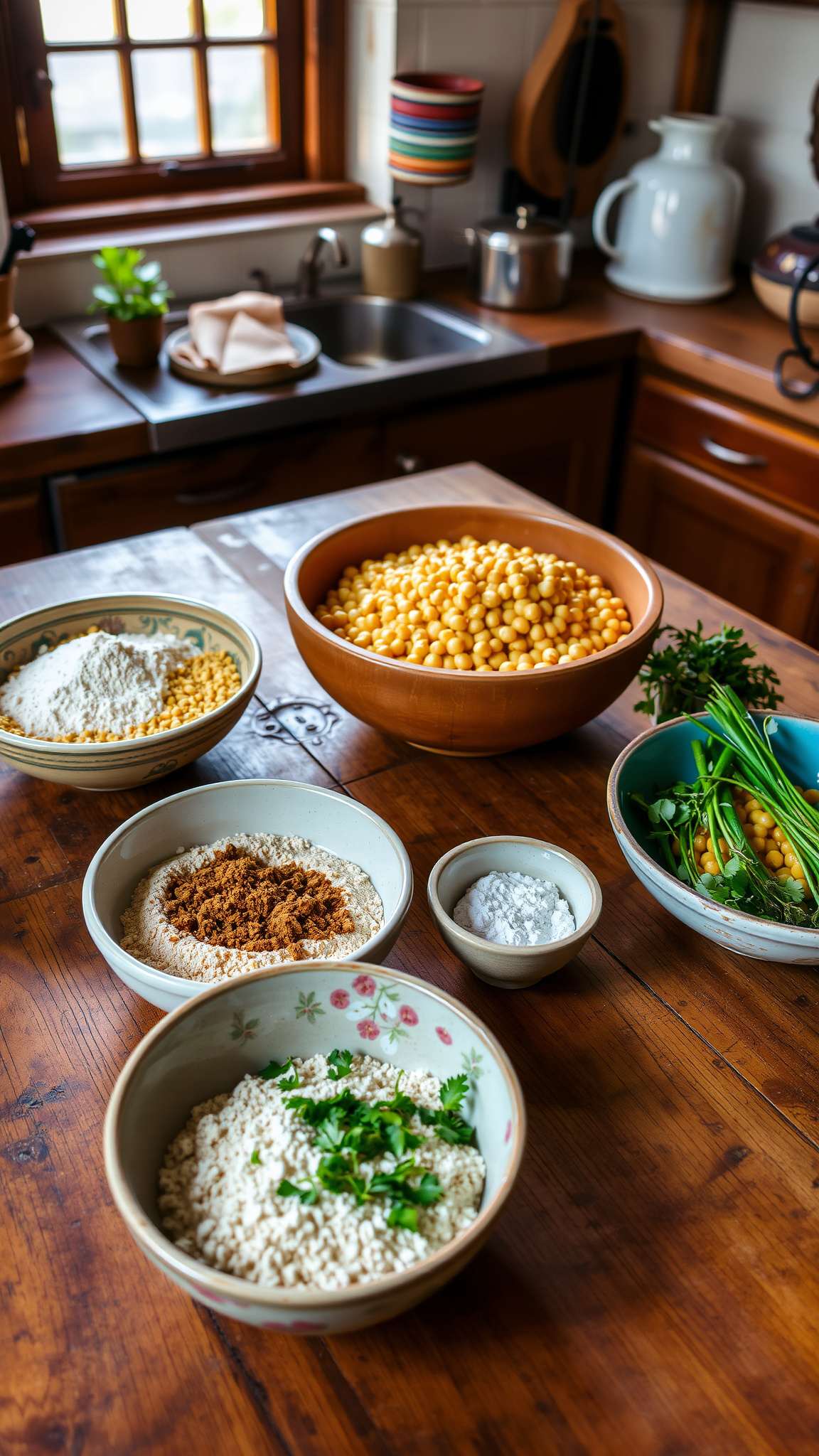
3. Chickpea Flour (Besan)
GI estimate: Roughly 28-45 (low)
Pros: Made from ground chickpeas; high in both fibre and protein; gluten-free and good for savoury baking such as flatbreads, fritters.
Cons: Strong flavour — may not suit all sweet baked goods; absorbs more liquid in recipes, so adjustments needed.
Nutrition note: The combination of legumes’ slower-digested carbs and higher fibre means a slower, steadier glucose release.
Usage tip: Swap in chickpea flour for part of the wheat flour in savory pancakes or breads to boost nutritional profile.
4. Coconut Flour
GI estimate: Approximately 45-55 (low)
Pros: Made from dried coconut meat; high in fibre, gluten-free, and lower carb than many grain flours.
Cons: Extremely absorbent — recipes need more liquid and eggs; texture tends to be dense; strong coconut flavour may not suit everything.
Nutrition note: The high fibre content helps slow digestion of the carbohydrates, moderating blood sugar response.
Usage tip: Use in small amounts (often ¼ the volume of regular flour) and increase liquids/eggs when replacing wheat flour.

5. Buckwheat Flour
GI estimate: Low to moderate (exact value varies, generally favourable)
Pros: Gluten-free seed flour; rich in antioxidants, minerals and fibre; good for pancakes, breads, cakes with rustic texture.
Cons: Strong, earthy flavour; may require mixing with other flours to improve baked goods’ texture; slightly higher GI than nut/legume flours.
Nutrition note: While not as low GI as almond or soy flours, its whole-seed nature gives slower digestion versus refined grain flours.
Usage tip: Use buckwheat flour for part of the flour blend (e.g., half or less) to get the benefit without too heavy a texture.
6. Quinoa Flour
GI estimate: Around 40 (low) based on some materials; some sources show moderate (53-55) when prepared in bread.
Pros: Made from ground quinoa; gluten-free; contains full set of essential amino acids (rare for a plant); moderate carb but slower digestion.
Cons: More expensive; flavour may be nutty/strong; substitution may change texture of baked goods; GI may vary depending on processing/baking.
Nutrition note: In a study of bread made with quinoa flour, GI was about 42 ± 0.8 — clearly in the low-GI category for that product.
Usage tip: Try quinoa flour for pancakes, quick breads or as part of a flour mix for gluten-free baking.
7. Spelt Flour (Whole Grain)
GI estimate: Approximately 54-63 (low-to-moderate)
Pros: Ancient wheat variety; higher in nutrients and fibre than refined white flour; tastes mild and works well in bread or baking.
Cons: Contains gluten (so not suitable for celiac); texture is closer to wheat flour but still less springy; GI is higher than nut/legume flours.
Nutrition note: Because the bran/germ are included, digestion is slower than for refined flours — hence the lower GI.
Usage tip: Replace part of white flour with spelt to boost nutrient value and reduce glycaemic impact without going gluten-free.
8. Whole Wheat Flour
GI estimate: Roughly 54-69 (low to moderate)
Pros: Widely available; includes bran/germ unlike all-purpose white flour; better fibre, vitamins and minerals.
Cons: Still higher GI than many of the special-purpose low-GI flours above; texture of baked goods may be heavier; contains gluten.
Nutrition note: It’s a significant improvement over refined white flour but if you’re strict about blood sugar control you might still prefer the nut/legume options.
Usage tip: Use 100% whole wheat flour or a mix (e.g., half white, half whole wheat) to improve fibre while keeping familiar baking characteristics.
9. Sorghum Flour
GI estimate: As low as 32 (in a particular study) for intermediate-milled sorghum flour muffins.
Pros: Grain-based, gluten-free option; when processed properly, very low GI; good for breads, muffins in gluten-free baking.
Cons: Texture and taste may differ markedly from wheat flour; less common in many markets; GI may vary widely depending on milling and processing.
Nutrition note: The study found that muffins using sorghum flour with intermediate particle size had GI ~32 ±17, which is excellent.
Usage tip: Use sorghum flour in combination with other gluten-free flours to improve bake quality and keep GI low.
Summary Table
| Flour Type | Approx GI* | Key Pros | Key Cons |
|---|---|---|---|
| Almond Flour | < 20 | Very low carb, high fibre/protein | Cost, nut allergy risk |
| Soy Flour | ~5 | Very low GI, high protein | Distinct flavour, texture change |
| Chickpea Flour | ~28-45 | Legume-based, gluten-free | Strong flavour, requires recipe tweak |
| Coconut Flour | ~45-55 | High fibre, gluten-free | Very absorbent, dense texture |
| Buckwheat Flour | Low/moderate | Gluten-free, rich in nutrients | Earthy flavour, higher GI than nuts |
| Quinoa Flour | ~40 (or ~53) | Complete protein, gluten-free | Cost, texture change, variable GI |
| Spelt Flour | ~54-63 | Whole grain wheat alternative | Contains gluten, moderate GI |
| Whole Wheat Flour | ~54-69 | Readily available, better than white | Gluten, still higher GI |
| Sorghum Flour | ~32 (in study) | Gluten-free, very low GI possible | Less common, texture/workability |
* GI values are approximate and depend on processing, particle size, recipe context.
How to Choose & Use Low-GI Flours Wisely
- Check for fibre and protein content — The more fibre and protein in the flour, the slower the carbohydrates tend to digest, which helps keep GI down.
- Pay attention to processing — The milling, particle size, refining all matter. For example, finer particle size can sometimes raise GI; sorghum study found that intermediate‐particle size gave lowest GI.
- Mind the recipe — Using a low-GI flour doesn’t guarantee a low GI bake if you still use large quantities of refined sugar, or pair with no fibre/protein.
- Blend flours when needed — Some low-GI flours lack gluten (almond, coconut), so blending with other flours improves texture while keeping GI low.
- Consider portion size & glycaemic load (GL) — A low-GI flour in a large quantity still has carb impact; GL (which factors in carb amount) is also relevant.
- Account for other ingredients — Adding fats, proteins, fibre, or acids (vinegar/lemon) to a recipe can slow sugar absorption and reduce glycaemic response.
Final Thoughts
If blood sugar management, steady energy, or healthier baking matter to you, choosing the right flour makes a real difference. Nut-based and legume-based flours (almond, soy, chickpea) often deliver the lowest GI values. Grain-based alternatives like sorghum, quinoa, buckwheat and whole wheat offer improvements over refined white flour — though their GI varies more depending on processing and recipe.


