
Gluten-Free English Muffins Recipe
Warm, split, and ready for butter, English muffins are a breakfast classic many people miss after going gluten free. The good news is, you can make soft, toast-friendly gluten-free English muffins at home with simple pantry ingredients and one bowl. This recipe focuses on proper structure, gentle rise, and a tender crumb, so you get muffins that hold up in the toaster and taste great with both sweet and savory toppings.
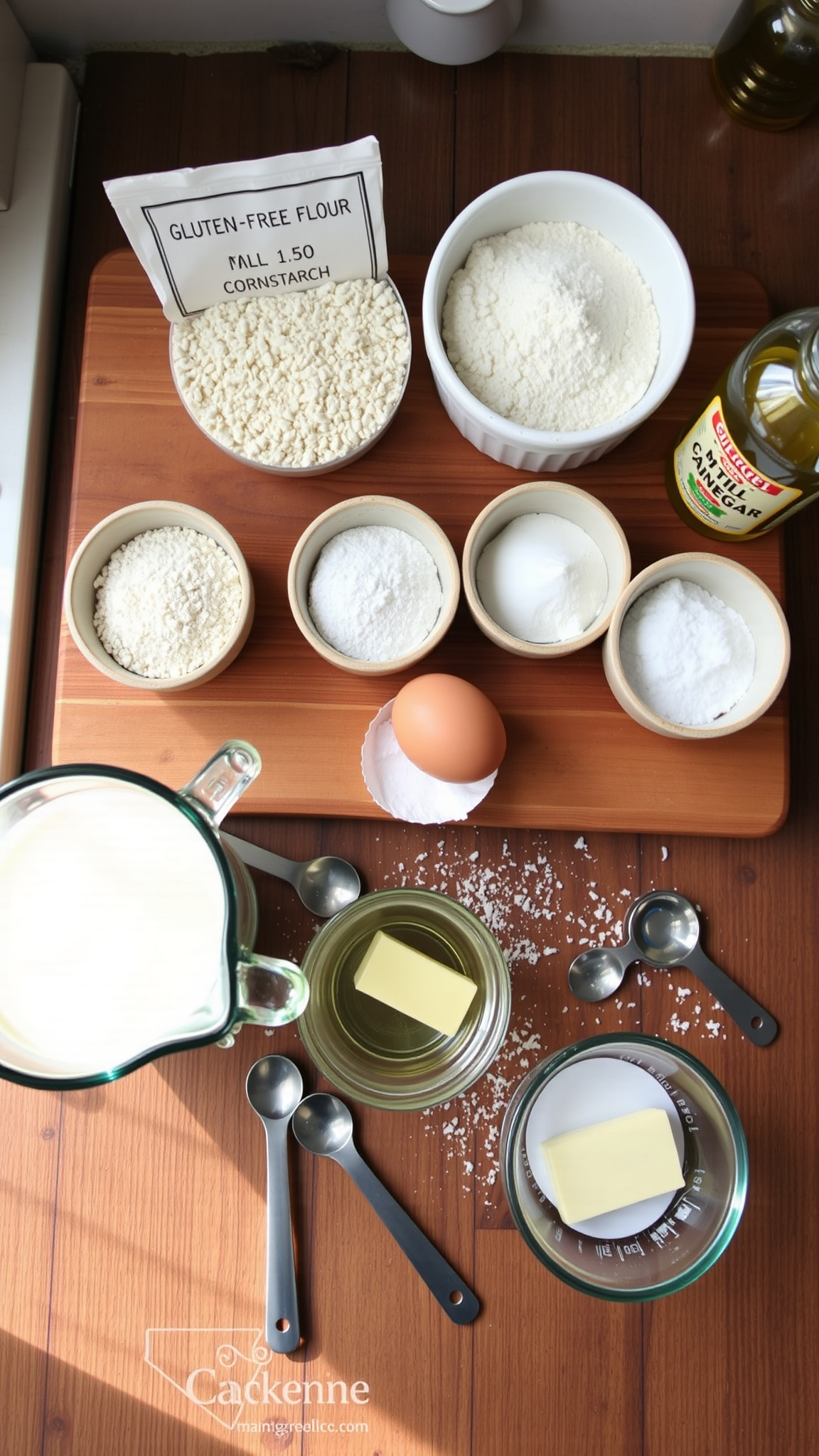
Ingredients List
Dry Ingredients
- 1 ¾ cups (245 g) gluten-free all-purpose flour blend (with xanthan gum)
- 2 tablespoons (16 g) cornstarch or tapioca starch (for lighter texture)
- 1 tablespoon (12 g) granulated sugar
- 2 teaspoons instant yeast
- 1 teaspoon baking powder
- ¾ teaspoon salt
Wet Ingredients
- ¾ cup (180 ml) warm milk or dairy-free milk (about 105–110°F / 40–43°C)
- 1 large egg, room temperature
- 2 tablespoons (28 g) melted butter or neutral oil
- 1 teaspoon apple cider vinegar
For Cooking
- Fine cornmeal or gluten-free flour, for dusting
- Light oil or butter for greasing pan
Step-by-Step Instructions
- Prepare the Rings and Pan
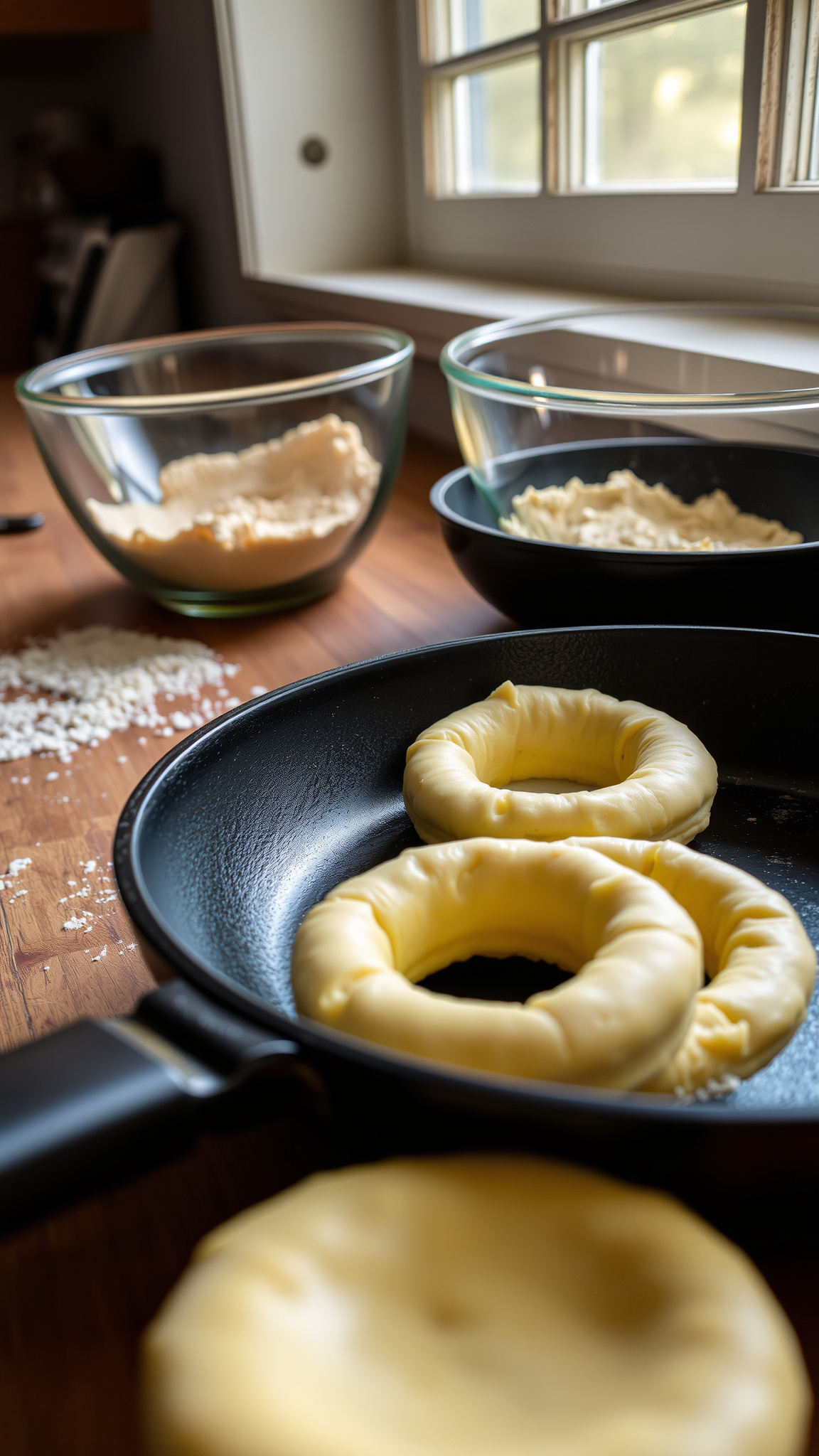
Lightly grease 6 to 8 English muffin rings or wide mason jar lids. Place them on a nonstick skillet or flat griddle. Dust the inside of each ring with a little cornmeal or gluten-free flour to prevent sticking. - Mix the Dry Ingredients
In a large bowl, whisk together the gluten-free flour, cornstarch, sugar, yeast, baking powder, and salt. This step helps distribute the yeast and leavening evenly, which is important for a good rise. - Add the Wet Ingredients
Pour in the warm milk, egg, melted butter, and vinegar. Mix with a spoon or spatula until you get a thick, smooth batter. The batter should be thicker than pancake batter but soft enough to scoop. - Rest the Batter
Cover the bowl and let the batter rest for 10 minutes. This allows the flour to hydrate and the yeast to start working, which improves texture and flavor. - Fill the Rings
Spoon batter into each prepared ring, filling them about two-thirds full. Smooth the tops gently with the back of a spoon dipped in water. - Cook on Low Heat
Place the pan over low heat. Cook slowly for 7 to 9 minutes, until the bottoms are set and lightly golden and the tops look mostly dry. - Flip Carefully
Using tongs, lift off the rings. Flip the muffins gently and cook the second side for another 5 to 7 minutes, until fully cooked through. Internal temperature should be about 200°F (93°C). - Cool Before Splitting
Transfer to a wire rack and let cool for at least 15 minutes. For best texture, split with a fork instead of a knife to create the classic nooks and crannies. - Toast Before Serving
Gluten-free English muffins toast best after cooling. Toast until lightly crisp on the edges and warm in the center.
How to Serve
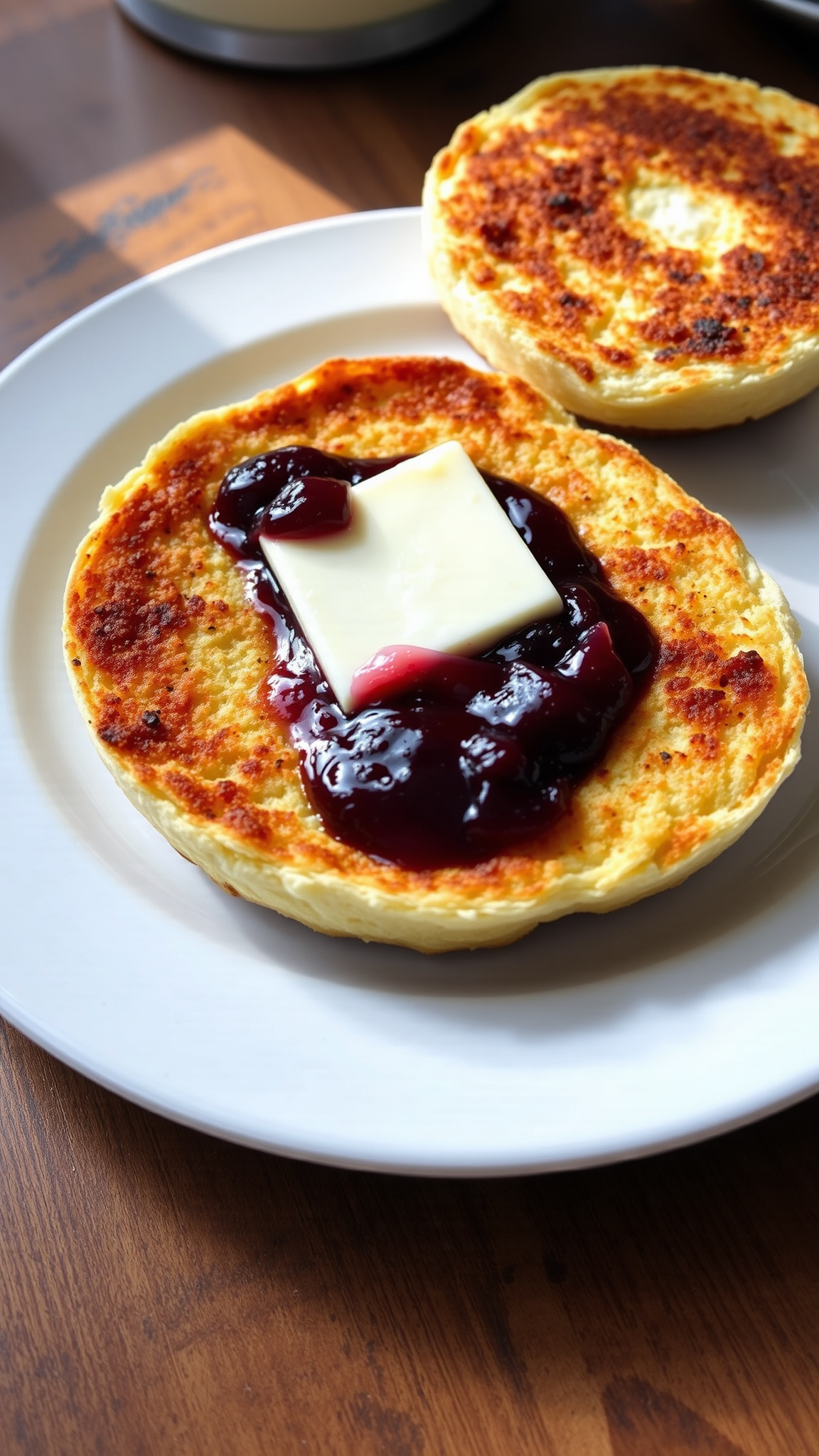
Gluten-free English muffins are best served toasted, which improves both flavor and structure. Spread with butter, jam, honey, or nut butter for a simple breakfast. For savory options, use them as a base for egg sandwiches, mini pizzas, or avocado and tomato. They also work well for breakfast sliders with eggs and cheese. Because the crumb is tender, toasting helps them hold toppings without getting soggy.
Storage Instructions
Once fully cooled, store the muffins in an airtight container at room temperature for up to 2 days. For longer storage, place them in a sealed bag and refrigerate for up to 5 days. For best results, freeze them: split first, then freeze in freezer-safe bags for up to 2 months. Toast directly from frozen without thawing.
Helpful Tips
Use a gluten-free flour blend that already contains xanthan gum, as this provides structure similar to gluten. If your blend does not include it, add ½ teaspoon xanthan gum to the dry ingredients. Keep the heat low while cooking so the centers cook fully before the outsides brown too much. If the muffins brown too fast, reduce heat and extend cooking time slightly. Always toast before serving for the best texture and flavor.
Variations
- Dairy-Free: Use almond, soy, or oat milk and replace butter with oil or dairy-free margarine.
- Whole Grain Style: Replace ½ cup of the flour blend with gluten-free oat flour for a heartier texture.
- Garlic and Herb: Add ½ teaspoon garlic powder and 1 teaspoon dried herbs to the dry ingredients for savory muffins.
- Slightly Sweet: Add an extra tablespoon of sugar and ¼ teaspoon cinnamon for breakfast-style muffins.
- Egg-Free: Replace the egg with 3 tablespoons unsweetened applesauce plus ½ teaspoon baking powder extra, noting that texture will be slightly softer.
Nutrition Facts (Per 1 English Muffin, Approximate)
| Nutrient | Amount |
|---|---|
| Calories | 150 kcal |
| Carbohydrates | 26 g |
| Protein | 4 g |
| Fat | 4 g |
| Saturated Fat | 2 g |
| Fiber | 2 g |
| Sugar | 3 g |
| Sodium | 280 mg |
Values are estimates and may vary based on ingredients used.
FAQs
Why is my batter thicker than regular muffin batter?
Gluten-free English muffins use a thicker batter to help them hold their shape in the rings and create a bread-like crumb instead of a pancake texture.
Can I bake these instead of cooking on a pan?
This recipe is designed for stovetop cooking to mimic traditional English muffin texture. Baking will produce more of a bun or roll rather than classic English muffin structure.
Do I really need rings to shape them?
Rings help keep the batter contained and give the muffins their classic tall shape. Without rings, the batter will spread too much and cook like thick pancakes.
Why do gluten-free muffins need to be toasted?
Toasting improves texture and flavor and helps set the crumb. Gluten-free breads often taste best after toasting.
Can I double the recipe?
Yes, the recipe doubles well. Cook in batches to avoid overcrowding the pan, which can reduce even cooking.
Conclusion
Making gluten-free English muffins at home is easier than it looks, and the results are far better than most store-bought options. With the right balance of moisture, gentle heat, and proper resting time, you can enjoy soft, toastable muffins that work for both sweet and savory meals. Try this recipe once, and it may become your go-to gluten-free breakfast bread. If you enjoyed it, save the recipe and make a double batch next time for easy breakfasts all week.


