
Gluten-Free Hamburger Buns
Good gluten-free hamburger buns are hard to find, especially ones that are soft, hold together, and still taste like real bread. Many store-bought options fall apart or feel dry. This homemade version solves that problem with a tender crumb, light texture, and enough strength to hold juicy burgers and sauces. The recipe uses simple gluten-free pantry staples and clear steps, so you can make reliable buns at home without special equipment or complex techniques.
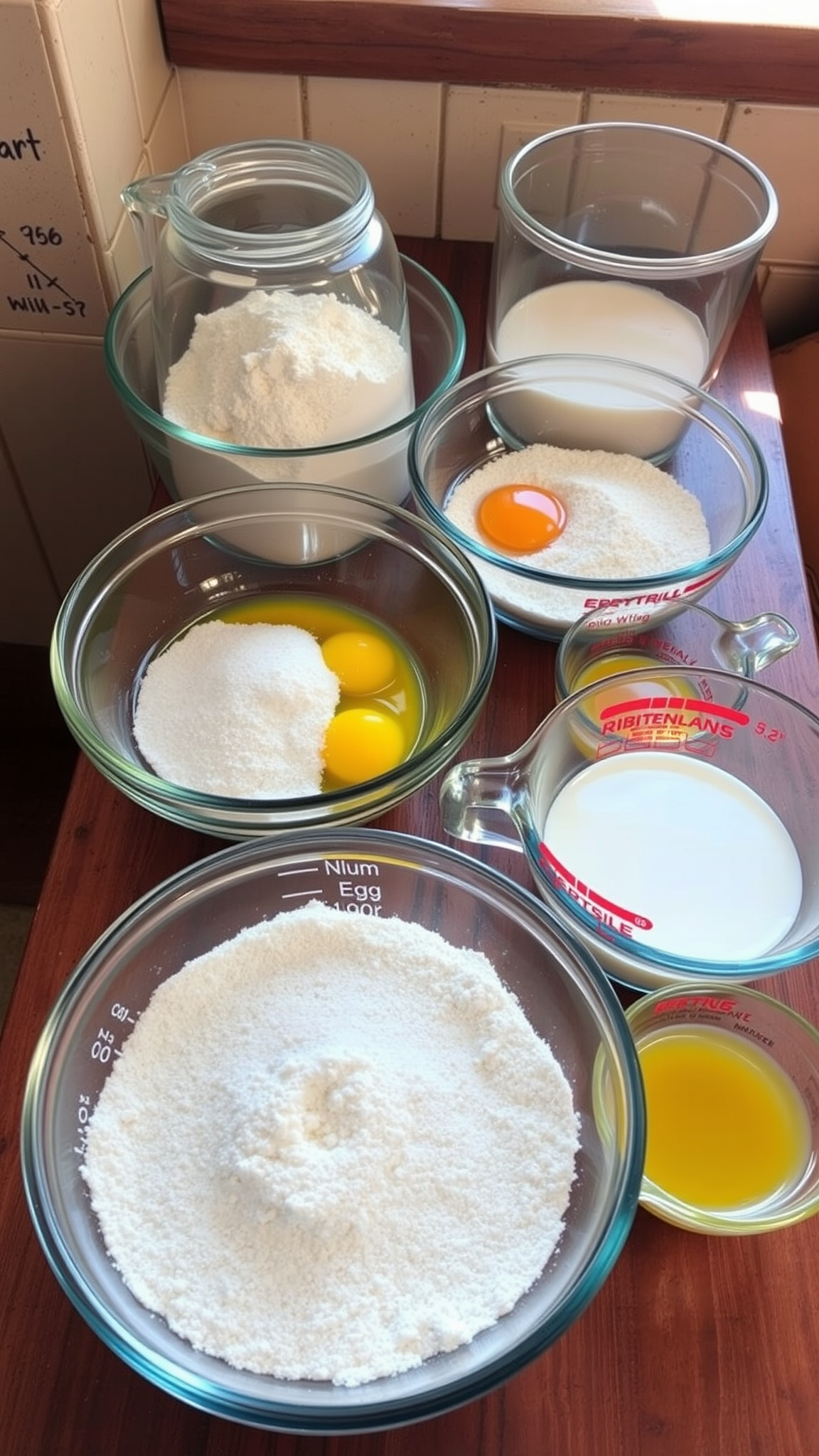
Ingredients List
Dry Ingredients
- 2 1/4 cups (315 g) gluten-free all-purpose flour with xanthan gum
- 2 tablespoons sugar
- 2 teaspoons instant yeast
- 1 teaspoon salt
Wet Ingredients
- 1 cup (240 ml) warm milk, about 110°F (43°C)
- 2 large eggs, room temperature
- 3 tablespoons melted butter or neutral oil
- 1 teaspoon apple cider vinegar
For Topping (Optional)
- 1 egg, beaten (for egg wash)
- Sesame seeds or poppy seeds
Step-by-Step Instructions
- Activate the yeast
In a small bowl, mix warm milk and sugar. Add yeast and let it sit for 5 minutes until foamy. This confirms the yeast is active and helps the buns rise properly. - Mix dry ingredients
In a large bowl, whisk together gluten-free flour and salt. This spreads the salt evenly and prevents dense spots in the dough. - Combine wet ingredients
Add eggs, melted butter or oil, and vinegar to the yeast mixture. Whisk until smooth and fully combined. - Make the dough
Pour the wet mixture into the dry ingredients. Beat with a spoon or mixer for 2 to 3 minutes until the dough becomes thick, smooth, and sticky. Gluten-free dough should look more like thick batter than kneadable dough. - Shape the buns
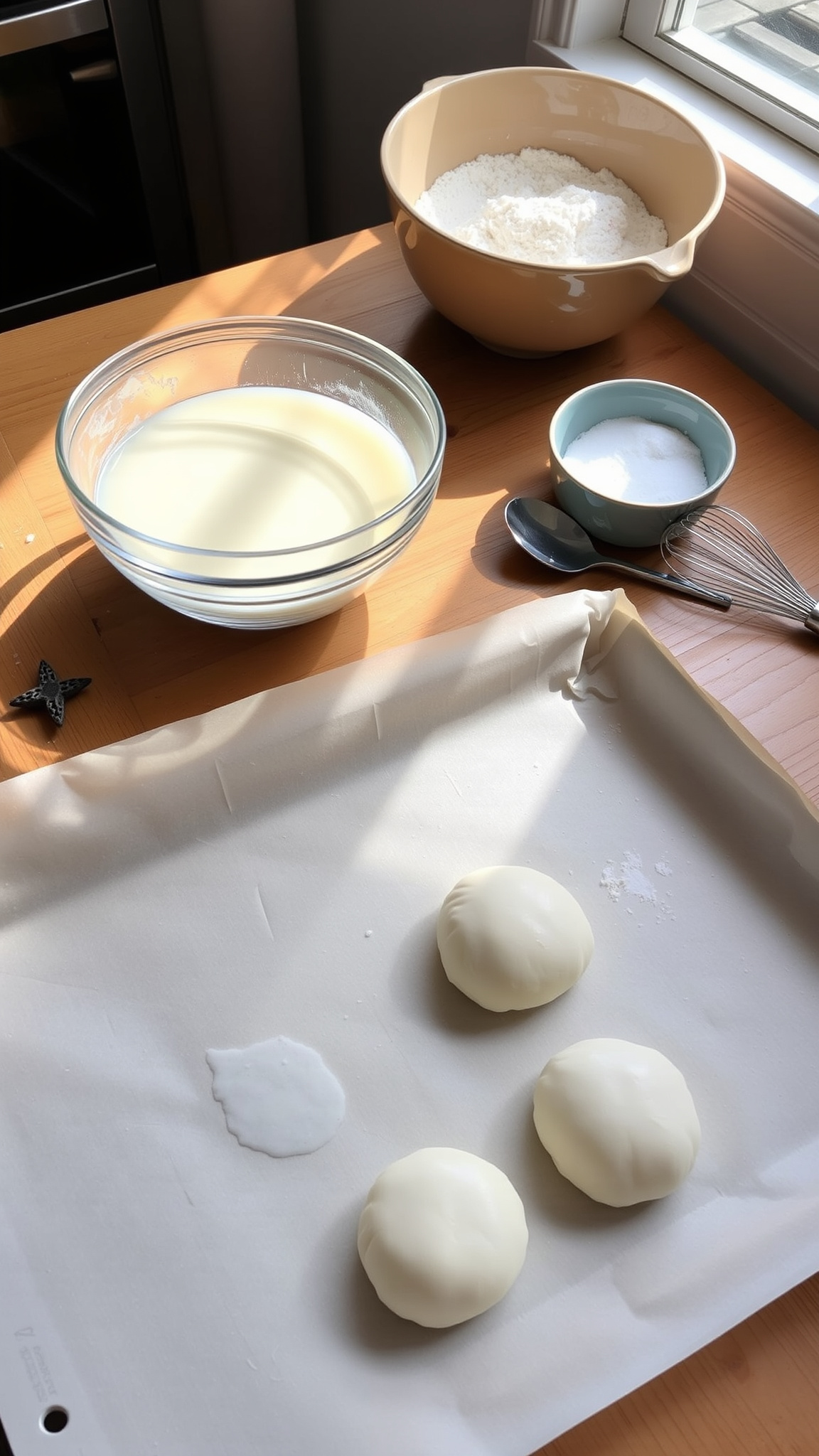
Divide dough into 6 equal portions. With lightly oiled hands, shape each into a smooth ball and place on a lined baking sheet. Gently flatten to about 3 inches wide. - Let the buns rise
Cover loosely and let rise in a warm place for 30 to 40 minutes. The buns should puff up slightly but will not double like wheat dough. - Preheat the oven
Heat oven to 375°F (190°C). If using egg wash, brush gently over the tops and sprinkle seeds if desired. - Bake the buns
Bake for 18 to 22 minutes until tops are lightly golden and internal temperature reaches about 200°F (93°C). - Cool completely
Transfer to a rack and cool fully before slicing. Cutting while hot can cause the crumb to compress and become gummy.
How to Serve
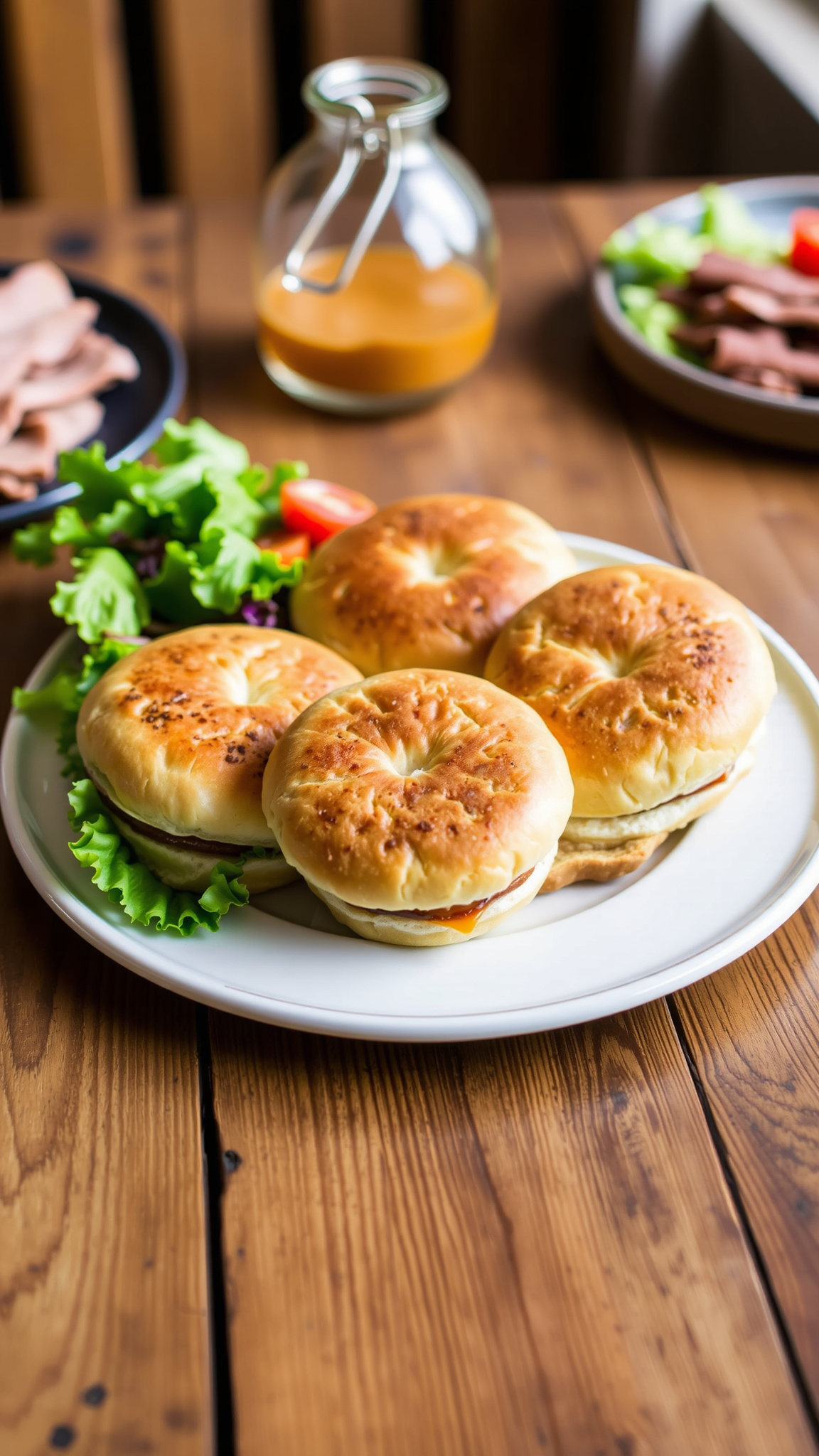
These gluten-free hamburger buns work well for classic beef burgers, grilled chicken sandwiches, and veggie patties. For best texture, lightly toast the cut sides before assembling. Toasting adds flavor and helps prevent the bun from soaking up sauces too quickly. These buns also work for breakfast sandwiches with eggs and cheese or pulled meat sandwiches when sliced thicker.
Storage Instructions
Store cooled buns in an airtight container at room temperature for up to 2 days. For longer storage, freeze buns individually wrapped and placed in a freezer-safe bag for up to 2 months. Thaw at room temperature or warm briefly in the microwave. Toasting after thawing restores softness and improves flavor.
Helpful Tips
Use a high-quality gluten-free flour blend that already includes xanthan gum for structure and elasticity. If your blend does not include it, add 1 teaspoon xanthan gum to the dry ingredients. Dough consistency matters more than exact measurements, so if the dough feels too thick, add 1 to 2 tablespoons of warm milk. If it feels runny, add a small amount of flour until thick and scoopable.
Variations
- Dairy-Free: Use plant-based milk and oil instead of butter.
- Egg-Free: Replace each egg with 1/4 cup unsweetened applesauce or a commercial egg replacer, though texture will be slightly softer.
- Whole-Grain Style: Replace 1/2 cup of the flour with gluten-free oat flour for a heartier crumb.
- Slider Buns: Divide dough into 10 smaller portions and reduce baking time by 3 to 4 minutes.
Nutrition Facts (Per Bun, Approximate)
| Nutrient | Amount |
|---|---|
| Calories | 210 kcal |
| Carbohydrates | 32 g |
| Protein | 6 g |
| Fat | 7 g |
| Saturated Fat | 3 g |
| Fiber | 2 g |
| Sugar | 5 g |
| Sodium | 290 mg |
Values are estimates and will vary by ingredients used.
FAQs
Why are my gluten-free buns dense?
Dense buns usually mean the dough was too dry or the yeast was inactive. Make sure the milk is warm, not hot, and that the yeast becomes foamy before mixing.
Can I make the dough ahead of time?
Gluten-free yeast dough is best baked the same day. Refrigerating the shaped buns before baking can slow the rise and reduce softness.
Do I need a stand mixer?
No, but mixing well is important. Hand mixing works, but a mixer gives smoother dough and better structure.
Can I use water instead of milk?
Yes, but milk adds tenderness and flavor. If using water, consider adding 1 extra tablespoon of oil.
Why do gluten-free buns look flatter than regular buns?
Gluten-free dough does not trap air the same way wheat dough does. These buns rise less but still stay soft and stable when sliced.
Conclusion
Making gluten-free hamburger buns at home gives you control over texture, flavor, and ingredients, and the results are far better than most packaged options. With the right flour blend and proper mixing, you can enjoy soft, sturdy buns that hold up to any filling. Try this recipe for your next burger night, adjust it to your needs, and make it part of your regular baking routine. If you found this helpful, save the recipe and share it with others who want better gluten-free bread at home.


