
How to Make a Gluten-Free Mug Cake
When a sweet craving hits and you don’t want to bake a full cake, a gluten-free mug cake is the perfect fix. It’s quick, made with simple pantry ingredients, and ready in minutes. This method focuses on getting a soft, fluffy texture without wheat flour, so you don’t end up with a dry or rubbery result. Whether you’re avoiding gluten for health reasons or just want a fast dessert, this single-serve cake delivers comfort with almost no cleanup.
Ingredients List (1 Serving)
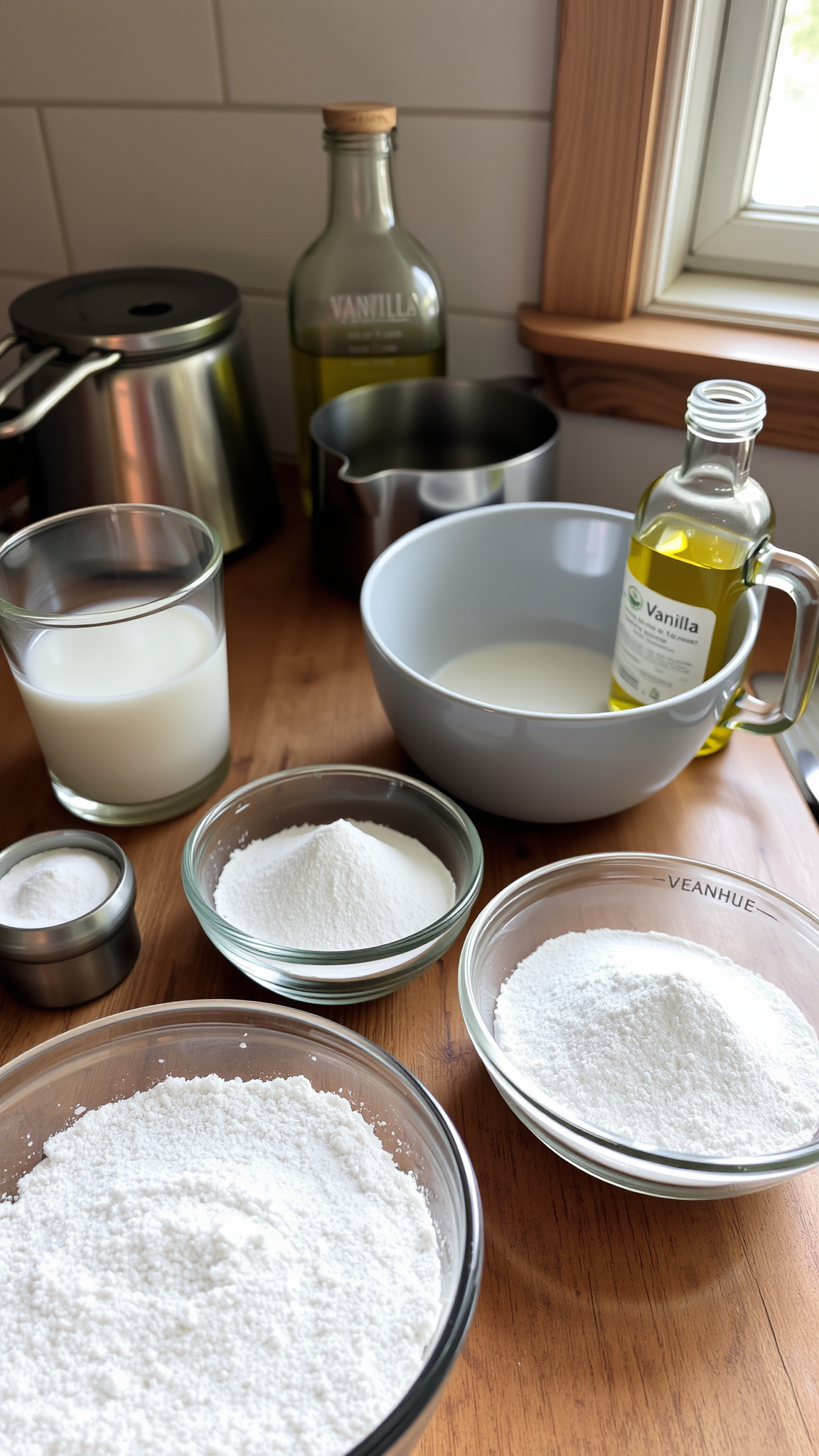
- 4 tablespoons gluten-free all-purpose flour (with xanthan gum)
- 2 tablespoons granulated sugar or coconut sugar
- 1/4 teaspoon baking powder (gluten-free certified)
- Pinch of salt
- 3 tablespoons milk (dairy or unsweetened almond milk)
- 1 tablespoon neutral oil (canola, sunflower, or melted butter)
- 1/4 teaspoon vanilla extract
- Optional add-ins:
- 1 tablespoon chocolate chips
- 1 teaspoon cocoa powder
- 1 tablespoon chopped nuts
Step-by-Step Instructions
- Choose the right mug.
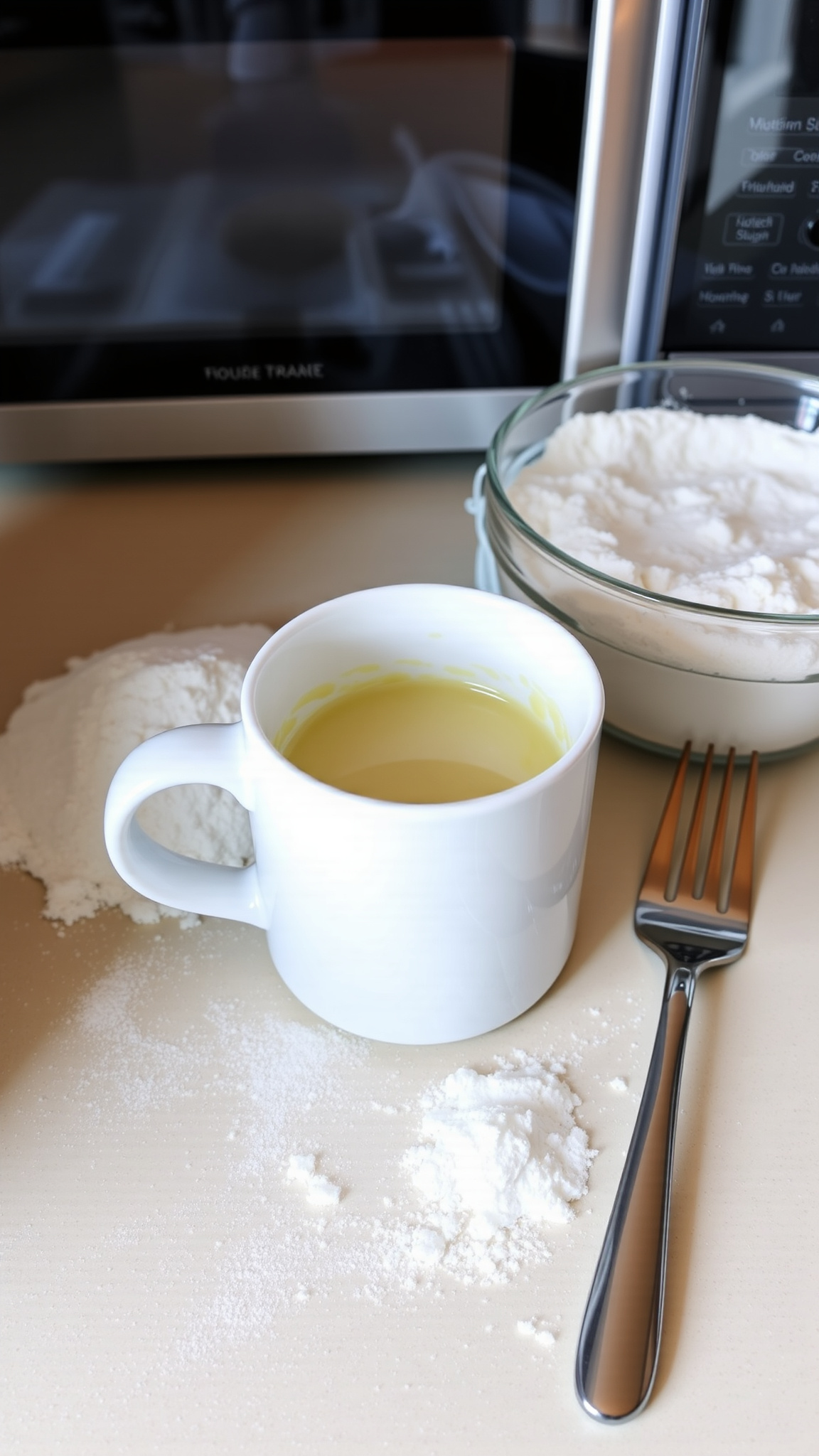
Use a microwave-safe mug that holds at least 10–12 ounces. This prevents overflow and allows the cake to rise properly. - Mix dry ingredients first.
Add the gluten-free flour, sugar, baking powder, and salt to the mug. Stir well with a fork until fully combined and lump-free. - Add wet ingredients.
Pour in the milk, oil, and vanilla extract. Stir until you get a smooth, thick batter. Scrape the bottom and sides so no dry flour remains. - Fold in any add-ins.
If using chocolate chips, cocoa powder, or nuts, gently stir them in now. Do not overmix, as gluten-free batters can become dense. - Microwave the cake.
Cook on high power for 60 to 90 seconds, depending on your microwave strength. Start with 60 seconds and check the center. It should look set but still slightly moist. - Rest before eating.
Let the mug cake sit for 1 minute. This helps the texture finish setting and prevents burning your mouth. - Check doneness.
If the center looks wet, microwave in 10-second bursts until just cooked. Avoid overcooking, which can make the cake rubbery.
How to Serve
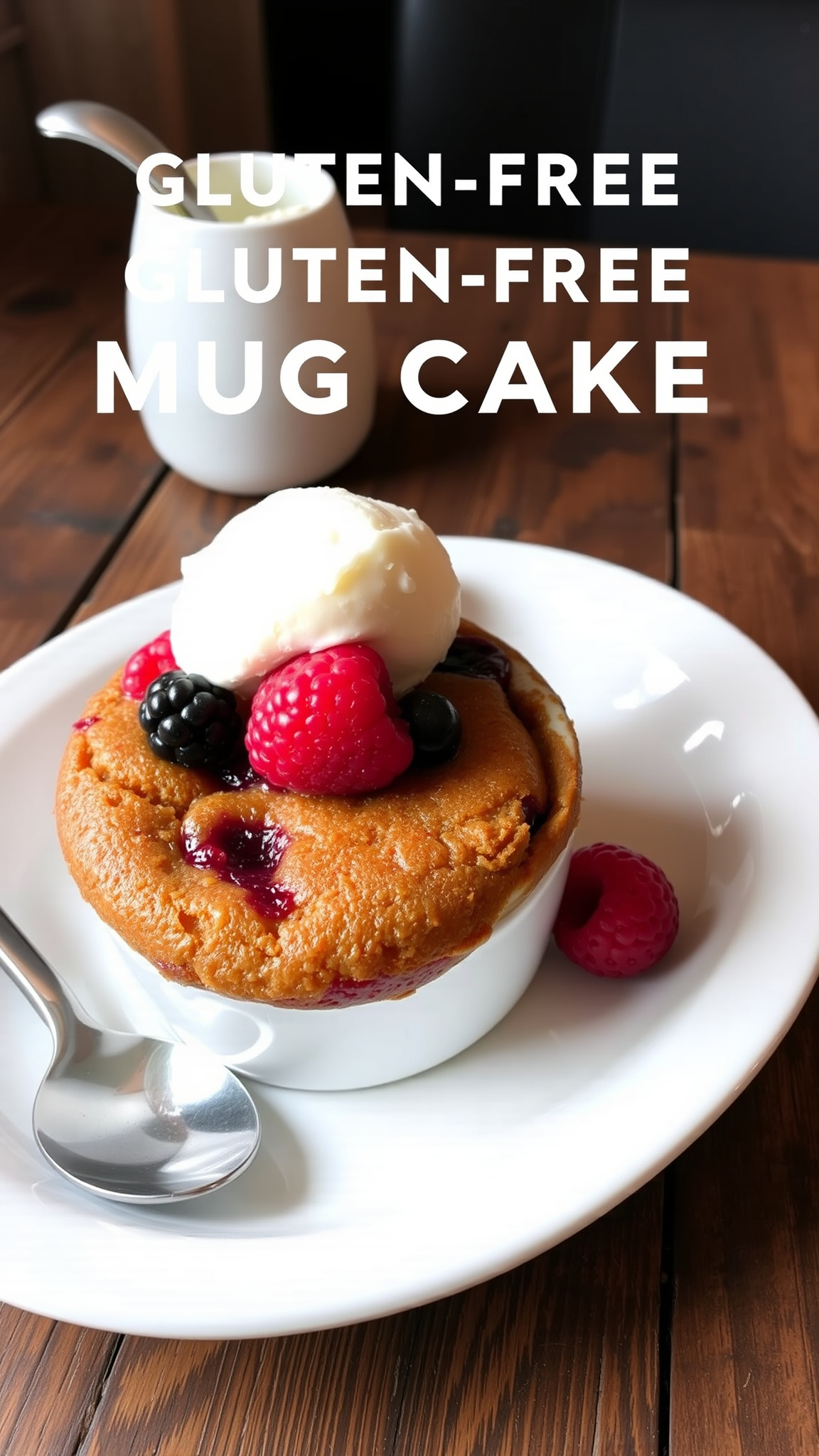
A gluten-free mug cake is best enjoyed warm, straight from the mug. You can eat it as-is or dress it up with a small scoop of vanilla ice cream, a spoon of whipped cream, or a drizzle of chocolate or caramel sauce. For a lighter option, add a few fresh berries on top. Since this is a single-serve dessert, it works well as a quick evening treat, a fast lunchbox dessert, or even a sweet breakfast when you want something comforting but controlled in portion size.
Storage Instructions
Mug cakes are designed to be eaten right after cooking, and the texture is best when fresh. If you must store it, cover the mug tightly and keep it in the refrigerator for up to 24 hours. Reheat in the microwave for about 10–15 seconds before eating. Keep in mind that refrigeration can make gluten-free cakes firmer, so reheating gently is important to bring back some softness.
Helpful Tips for the Best Texture
Using a gluten-free flour blend that already contains xanthan gum helps the cake hold together and stay soft. If your blend does not include it, add a very small pinch of xanthan gum to improve structure. Always mix dry ingredients first to avoid flour pockets. Measure ingredients carefully, especially flour and baking powder, since too much can make the cake dry or bitter. Finally, stop microwaving as soon as the center is just set. Gluten-free cakes continue cooking from residual heat, so slight softness is better than a fully firm center.
Variations to Try
Chocolate Mug Cake
Replace 1 tablespoon of flour with cocoa powder and add chocolate chips for a richer flavor.
Vanilla Sprinkle Cake
Add 1 tablespoon of colorful gluten-free sprinkles for a fun, birthday-style cake.
Lemon Mug Cake
Add 1 teaspoon lemon juice and a little lemon zest. Top with powdered sugar after cooking.
Peanut Butter Mug Cake
Swirl 1 tablespoon peanut butter into the batter before microwaving for a creamy center.
Low-Sugar Option
Use a granulated sugar substitute designed for baking and keep all other ingredients the same.
Nutrition Facts (Approximate per Serving)
| Nutrient | Amount |
|---|---|
| Calories | 260 kcal |
| Carbohydrates | 38 g |
| Protein | 4 g |
| Fat | 11 g |
| Saturated Fat | 2 g |
| Fiber | 2 g |
| Sugar | 18 g |
| Sodium | 180 mg |
Values may vary based on ingredients used.
Frequently Asked Questions
Can I bake this in the oven instead of the microwave?
Yes. Pour the batter into an oven-safe ramekin and bake at 350°F (175°C) for about 10–12 minutes, or until the center is just set.
Why did my mug cake turn out rubbery?
This usually happens from overcooking or using too much flour. Microwave in short times and stop as soon as the center looks cooked.
Can I make this dairy-free?
Yes. Use almond milk, oat milk, or any unsweetened plant-based milk. The results will still be soft and moist.
What gluten-free flour works best?
A gluten-free all-purpose blend with xanthan gum gives the best structure and softness for mug cakes.
Can I double the recipe?
It is better to make two separate mugs. A larger portion in one mug may cook unevenly and stay raw in the center.
Conclusion
Making a gluten-free mug cake is one of the easiest ways to enjoy a quick, homemade dessert without turning on the oven or washing a sink full of dishes. With the right balance of ingredients and careful microwave timing, you can get a soft, satisfying cake in just minutes. Try the basic version first, then explore the variations to match your mood. If you enjoyed this recipe, keep experimenting with flavors and make it your go-to treat whenever a sweet craving shows up fast.


