
How to Make Gluten-Free Oatmeal Cookies
Warm, bakery-style oatmeal cookies don’t need wheat flour to taste amazing. With the right oats, balanced moisture, and gentle mixing, gluten-free oatmeal cookies can be just as soft and chewy as classic ones. This guide walks you through a dependable method that works with simple pantry ingredients and gives you consistent results, whether you’re baking for gluten sensitivity, celiac needs, or just want a great everyday cookie.
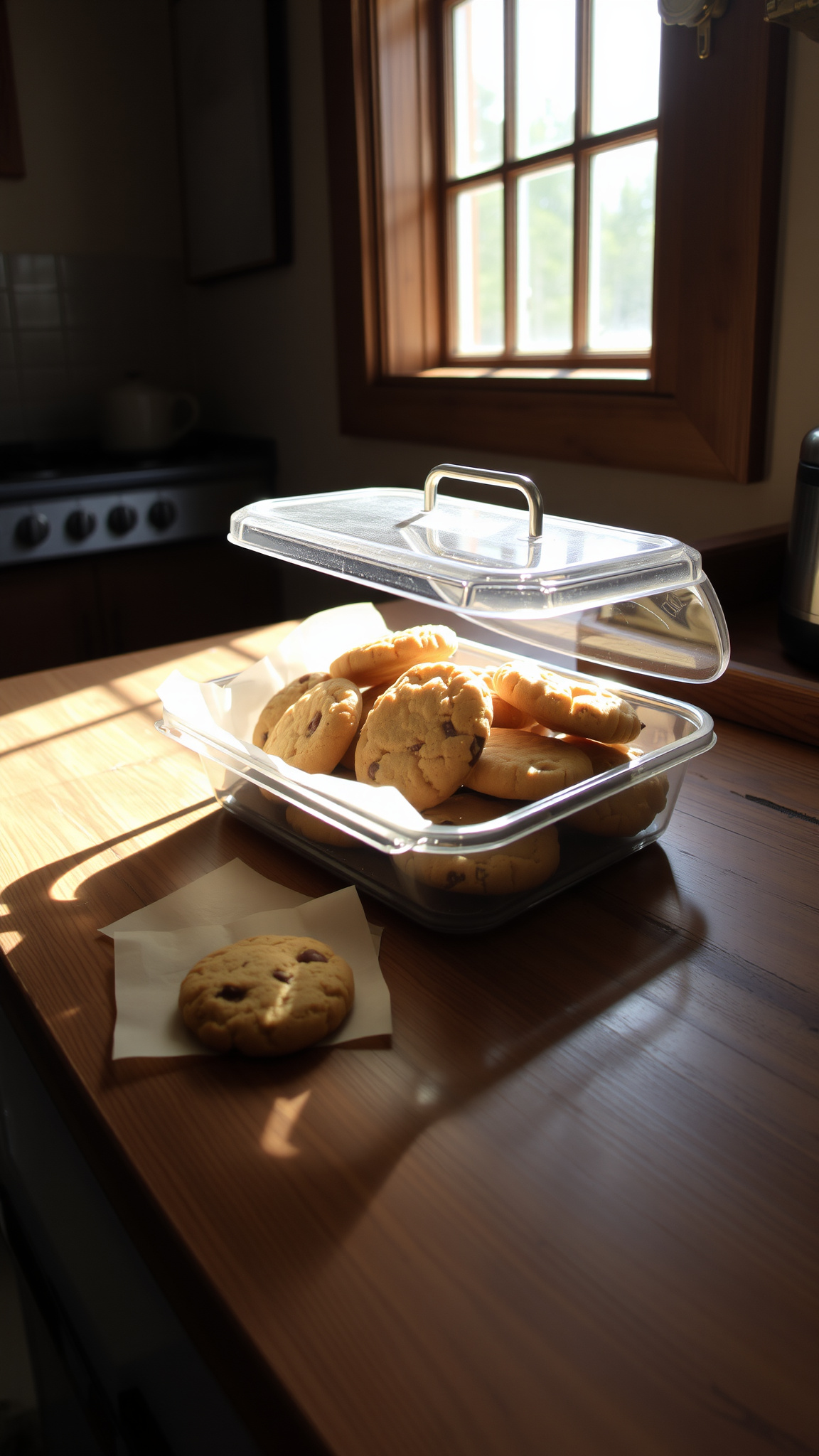
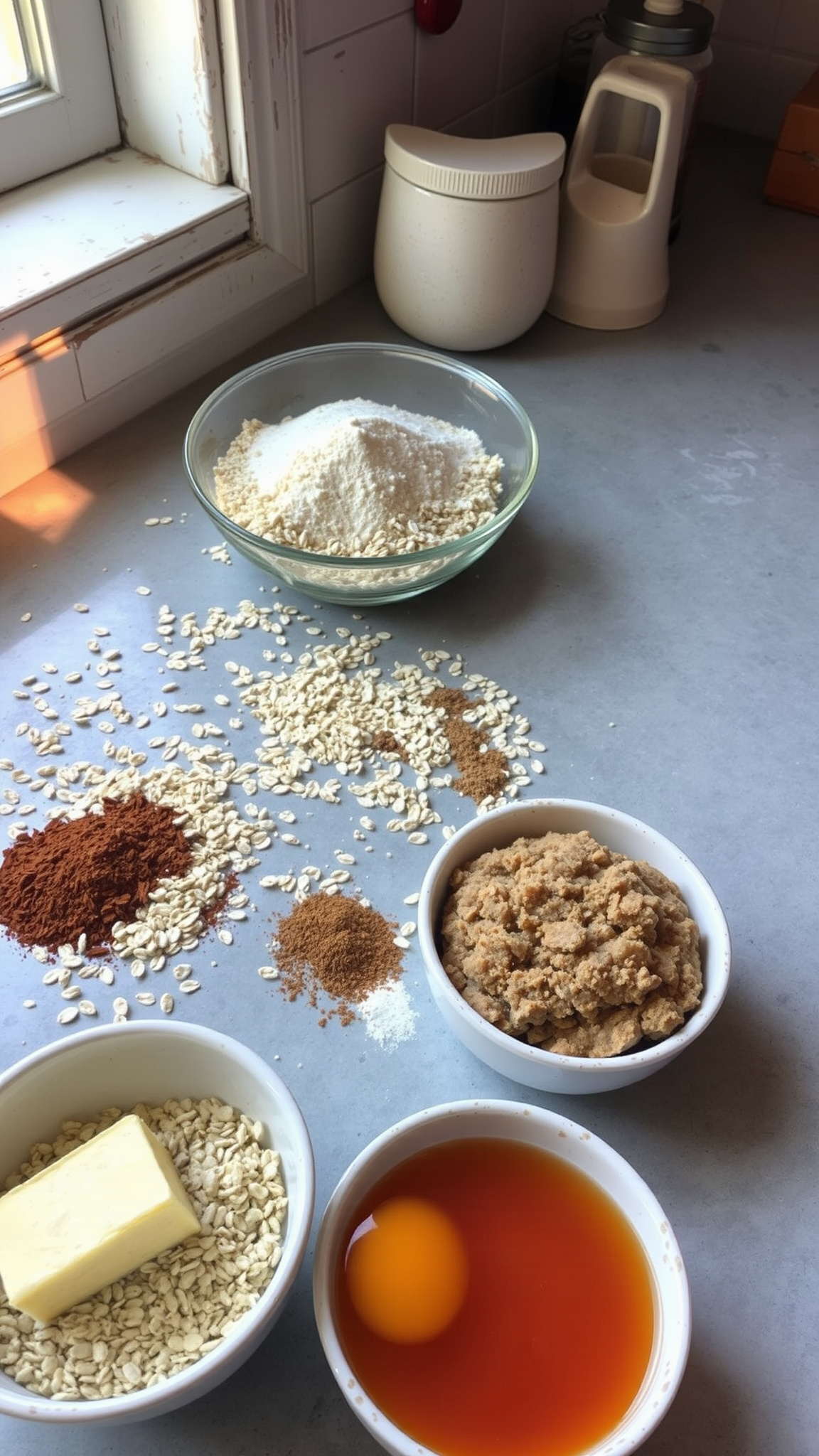
Ingredients List
Dry Ingredients
- 2 cups certified gluten-free rolled oats
- 3/4 cup gluten-free all-purpose flour (with xanthan gum)
- 1/2 teaspoon baking soda
- 1/2 teaspoon ground cinnamon (optional)
- 1/4 teaspoon salt
Wet Ingredients
- 1/2 cup unsalted butter, softened (or dairy-free butter)
- 1/2 cup brown sugar, packed
- 1/4 cup white sugar
- 1 large egg, room temperature
- 1 teaspoon vanilla extract
Optional Mix-Ins (up to 3/4 cup total)
- Chocolate chips
- Raisins
- Chopped walnuts or pecans
- Shredded coconut
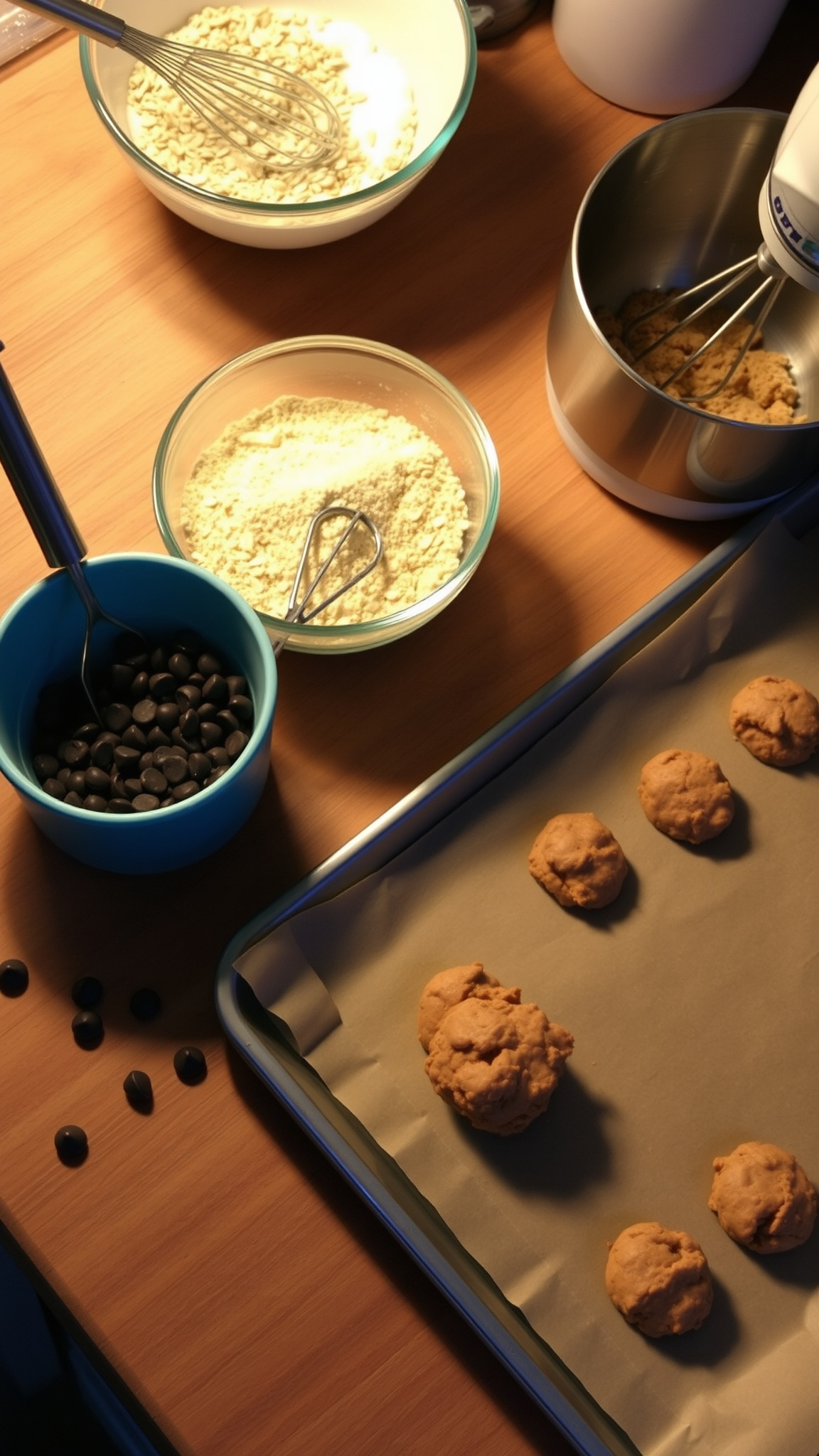
Step-by-Step Instructions
- Preheat and prepare.
Preheat oven to 175°C (350°F). Line a baking sheet with parchment paper. This prevents sticking and helps the bottoms bake evenly. - Mix dry ingredients.
In a medium bowl, whisk together gluten-free flour, baking soda, salt, and cinnamon. Add rolled oats and stir to combine evenly. - Cream butter and sugars.
In a large bowl, beat softened butter with brown sugar and white sugar until light and slightly fluffy, about 2 minutes. This step helps create soft centers. - Add egg and vanilla.
Mix in the egg until fully blended, then add vanilla extract. Scrape down the bowl so everything mixes evenly. - Combine wet and dry.
Add dry ingredients to the wet mixture in two parts. Mix gently just until no dry flour remains. Do not overmix, or cookies may turn dense. - Fold in mix-ins.
Stir in chocolate chips, raisins, or nuts if using. Keep total add-ins under one cup so the dough holds together well. - Scoop and shape.
Scoop about 1.5 tablespoons of dough per cookie. Place on baking sheet and lightly flatten the tops for even baking. - Bake.
Bake for 10–12 minutes until edges look set and centers are still soft. Cookies will firm up as they cool. - Cool properly.
Let cookies rest on the pan for 5 minutes, then transfer to a wire rack to cool fully. This prevents breaking and keeps centers chewy.
How to Serve
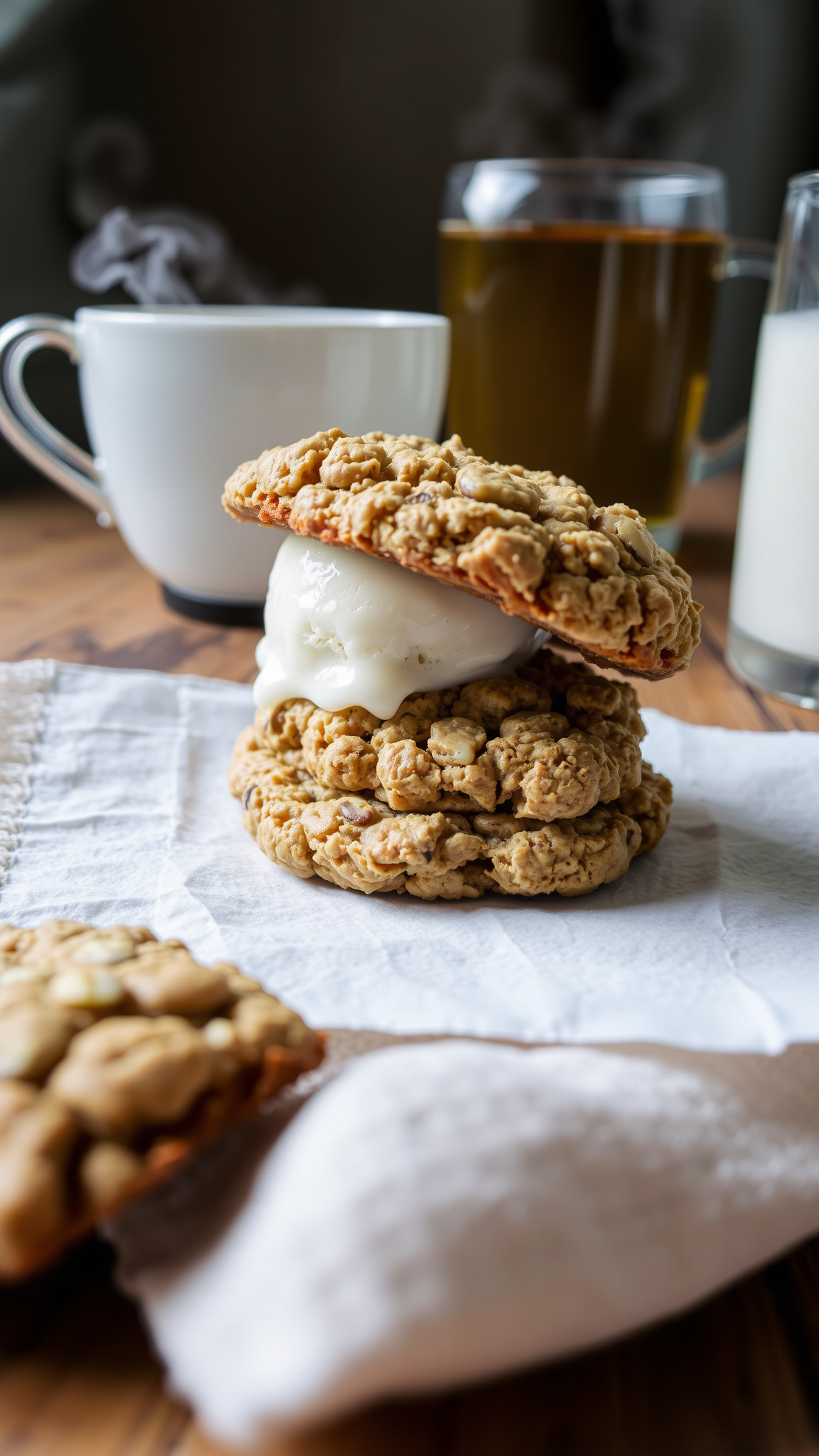
These cookies are best served slightly warm when the centers are soft and the oats are tender. They pair well with tea, coffee, or cold milk. For dessert plates, stack two cookies with a scoop of vanilla ice cream in between for an easy gluten-free sandwich cookie. They also work well as lunchbox snacks since they stay soft for days.
Storage Instructions
Store cooled cookies in an airtight container at room temperature for up to 4 days. For longer storage, refrigerate for up to 7 days. To freeze, place baked cookies in freezer-safe bags with parchment between layers and freeze for up to 2 months. Thaw at room temperature or warm briefly in the microwave for fresh-baked texture.
Helpful Tips
Always use certified gluten-free oats, as regular oats may be contaminated during processing. Measure flour using the spoon-and-level method to avoid dry cookies. If dough feels dry, add one tablespoon of milk or water. If dough feels sticky, chill it for 15 minutes before baking. For extra chewiness, slightly underbake and allow cookies to finish setting on the pan.
Variations
- Vegan Version: Replace butter with plant-based butter and use one flax egg (1 tablespoon ground flax + 2.5 tablespoons water).
- No Flour Version: Replace flour with 1/2 cup oat flour made by blending gluten-free oats.
- Cinnamon Raisin: Add 1 teaspoon cinnamon and 1/2 cup raisins.
- Chocolate Chunk: Use chopped dark chocolate instead of chips for softer pockets.
- Low-Sugar Option: Reduce sugar by 1/4 cup and add 1 tablespoon honey for moisture.
Nutrition Facts (Per Cookie, Approximate)
| Nutrient | Amount |
|---|---|
| Calories | 145 kcal |
| Carbohydrates | 20 g |
| Protein | 2.5 g |
| Fat | 6 g |
| Saturated Fat | 3.5 g |
| Fiber | 2 g |
| Sugar | 10 g |
| Sodium | 85 mg |
Values may vary based on brands and mix-ins used.
FAQs
Are all oats gluten-free?
No. Oats are naturally gluten-free, but many are processed in facilities that handle wheat. Always use certified gluten-free oats if gluten sensitivity is a concern.
Why did my cookies spread too much?
This usually happens if butter is too soft or dough is too warm. Chill the dough for 15 minutes before baking.
Can I use quick oats instead of rolled oats?
Yes, but texture will be softer and less chewy. Rolled oats give better structure.
Can I make the dough ahead of time?
Yes. Dough can be refrigerated for up to 48 hours. Let it sit at room temperature for 10 minutes before scooping.
How do I keep gluten-free cookies from getting dry?
Do not overbake, measure flour carefully, and store in airtight containers. Slight underbaking keeps centers soft.
Conclusion
Gluten-free oatmeal cookies don’t need special tools or complicated ingredients to turn out soft and flavorful. With the right oats, gentle mixing, and proper baking time, you can bake cookies that everyone enjoys, not just those avoiding gluten. Try this recipe once, then make it your own with different flavors and mix-ins. Bake a batch today and enjoy a treat that’s simple, reliable, and truly satisfying.


