
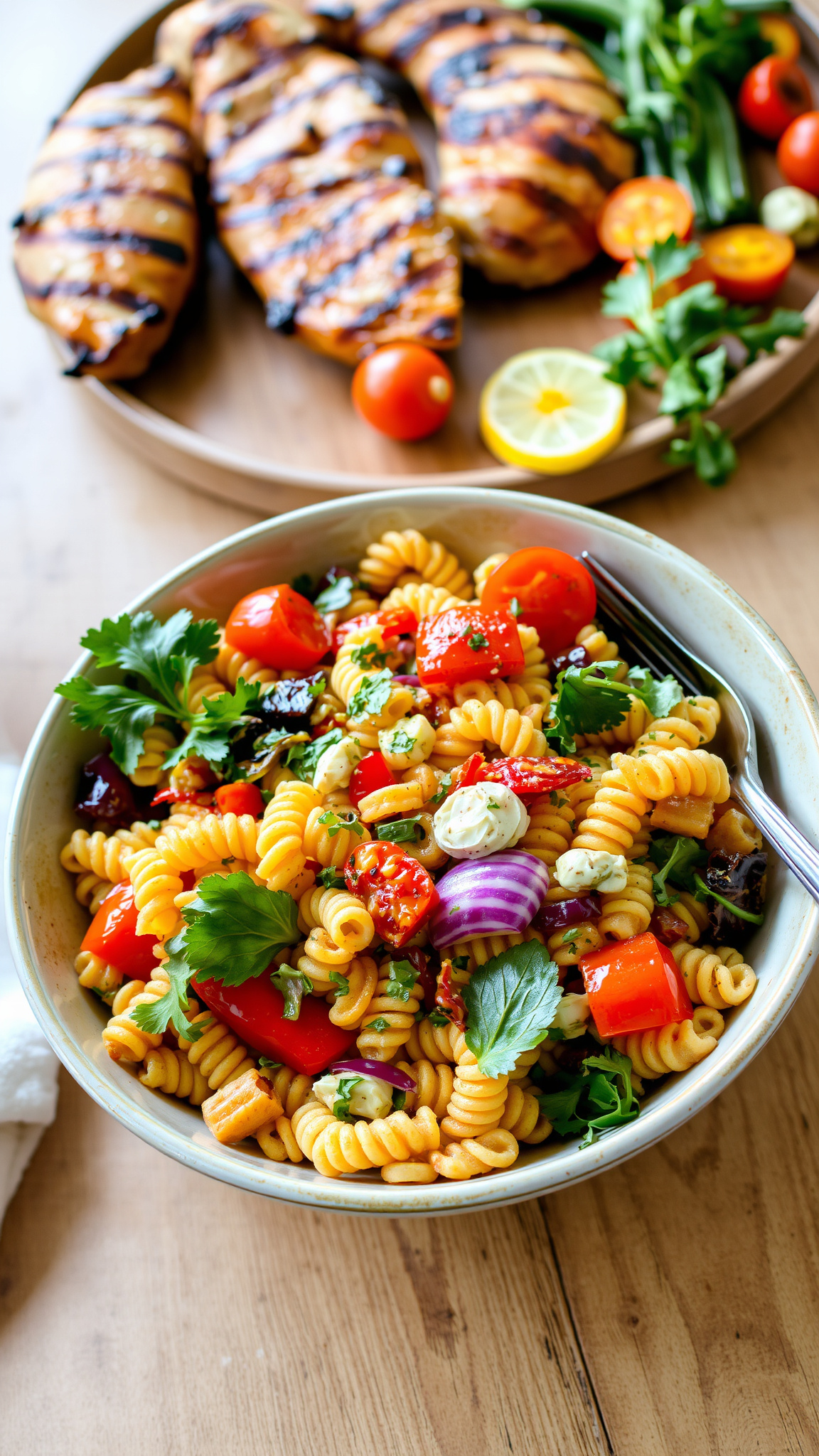
How to Make Gluten-Free Pasta Salad
A good gluten-free pasta salad should be bright, balanced, and hold its texture even after chilling. The key is choosing the right pasta, cooking it carefully, and building layers of flavor with fresh vegetables and a simple dressing. This recipe is designed for everyday meals, potlucks, and meal prep, with clear steps and reliable results you can repeat every time.
Ingredients List
For the Pasta Salad
- 12 oz gluten-free short pasta (rotini, fusilli, or penne)
- 1 cup cherry tomatoes, halved
- 1 cup cucumber, diced
- 1/2 cup red bell pepper, diced
- 1/4 cup red onion, finely chopped
- 1/3 cup black olives, sliced
- 1/3 cup feta cheese, crumbled (optional)
- 1/4 cup fresh parsley or basil, chopped
For the Dressing
- 1/3 cup extra-virgin olive oil
- 3 tbsp red wine vinegar or lemon juice
- 1 tsp Dijon mustard
- 1 tsp honey or maple syrup
- 1/2 tsp salt, or to taste
- 1/4 tsp black pepper
- 1/2 tsp dried oregano

Step-by-Step Instructions
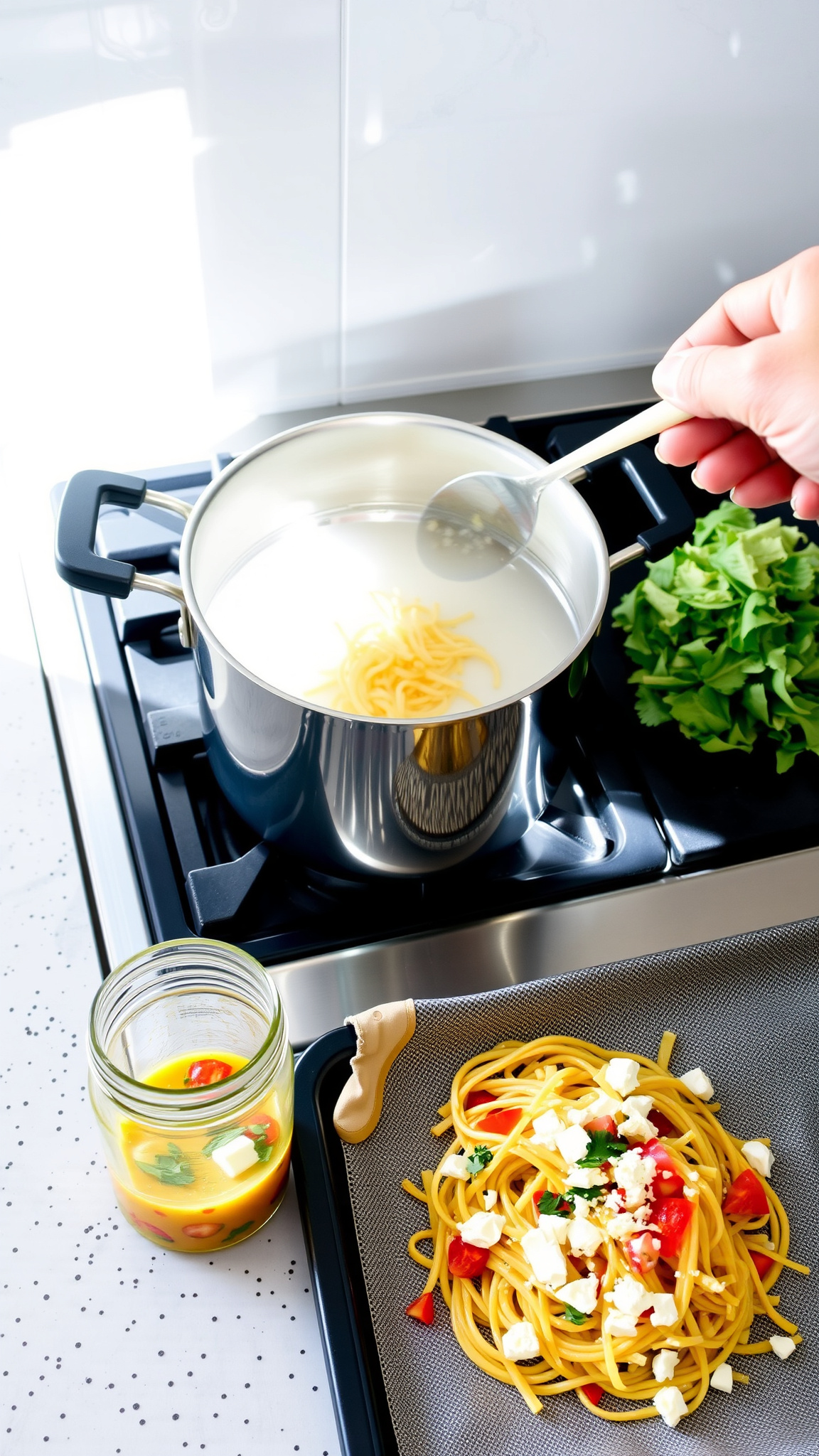
- Bring a large pot of well-salted water to a rolling boil. Add the gluten-free pasta and cook according to package directions, stirring often to prevent sticking. Cook until just tender, not mushy.
- Drain the pasta and rinse briefly with cool water to stop the cooking. Shake off excess water and spread the pasta on a tray for a few minutes so it can dry slightly. This helps the dressing stick better.
- While the pasta cools, prepare all vegetables and place them in a large mixing bowl. Keep pieces small and even so every bite has a good mix of textures.
- In a small bowl or jar, whisk together olive oil, vinegar or lemon juice, Dijon mustard, honey, salt, pepper, and oregano until smooth and lightly thickened.
- Add the cooled pasta to the bowl with the vegetables. Pour the dressing over the top and toss gently until everything is evenly coated.
- Add feta cheese and fresh herbs, if using, and toss once more very gently to avoid breaking the pasta.
- Taste and adjust seasoning with a pinch of salt, pepper, or a splash of acid if needed.
- Cover and refrigerate for at least 20 to 30 minutes before serving so flavors can blend, or serve right away for a fresher texture.
How to Serve
Gluten-free pasta salad works well as a main dish for light lunches or as a side for grilled chicken, fish, or roasted vegetables. For gatherings, serve it chilled in a wide bowl so guests can scoop easily without crushing the pasta. If the salad has been refrigerated for several hours, give it a gentle stir and add a small drizzle of olive oil before serving to refresh the texture and flavor.
Storage Instructions
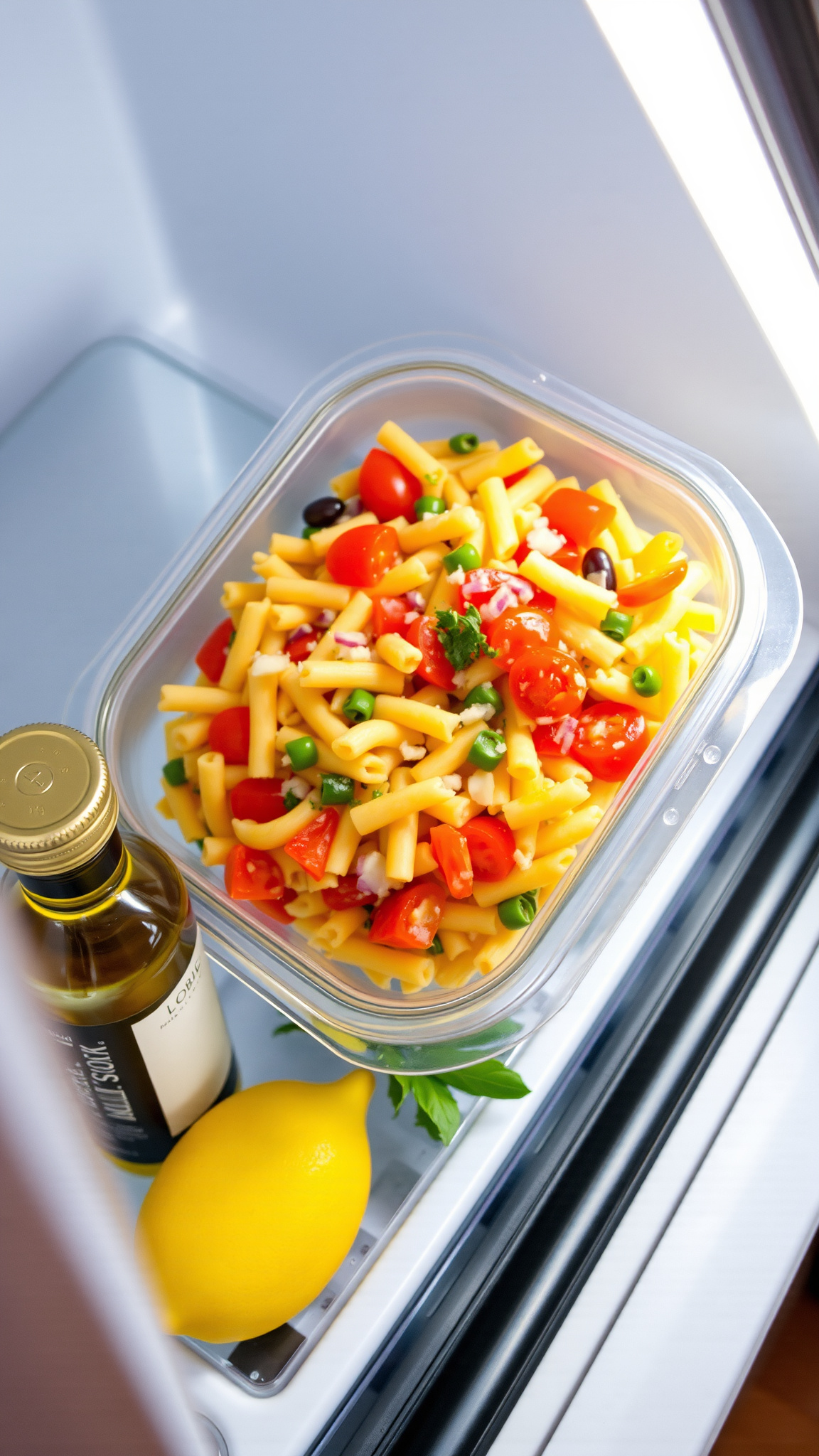
Store leftover pasta salad in an airtight container in the refrigerator for up to 3 days. Gluten-free pasta can absorb dressing as it sits, so the salad may look slightly dry the next day. If needed, stir in one to two teaspoons of olive oil or a small splash of lemon juice before serving to restore moisture and brightness. Do not freeze, as the vegetables and pasta will lose their texture after thawing.
Helpful Tips
Choose gluten-free pasta made from brown rice or corn blends for the best balance of firmness and neutral flavor. Avoid overcooking, since gluten-free pasta softens quickly once it passes the ideal point. Always season your pasta water well, because this is the first layer of flavor. Letting the pasta cool slightly before adding dressing prevents it from soaking up too much liquid and becoming heavy.
Variations
For a protein boost, add grilled chicken, canned tuna, chickpeas, or white beans. For a dairy-free version, skip the feta and add extra olives or avocado for richness. You can also switch the vegetables based on season, such as roasted zucchini, steamed broccoli, or fresh spinach. For a creamy style, replace half of the olive oil with plain dairy-free yogurt and increase lemon juice for balance.
Nutrition Facts (Per Serving, Approximate)
| Nutrient | Amount |
|---|---|
| Calories | 280 kcal |
| Carbohydrates | 34 g |
| Protein | 6 g |
| Fat | 14 g |
| Saturated Fat | 3 g |
| Fiber | 3 g |
| Sugar | 4 g |
| Sodium | 380 mg |
Values may vary based on specific ingredients and portion size.
FAQs
What is the best pasta shape for gluten-free pasta salad?
Short, twisted shapes like rotini or fusilli work best because they hold dressing and mix well with vegetables. Penne also works, but avoid long noodles, which are harder to serve and mix evenly.
Why does my gluten-free pasta get sticky?
Gluten-free pasta releases more starch and can stick if not stirred during cooking. Stir often, use plenty of water, and rinse lightly after draining to remove excess starch.
Can I make this pasta salad ahead of time?
Yes, it can be made up to one day in advance. For best texture, add fresh herbs and cheese just before serving and refresh with a little olive oil if needed.
Is this recipe safe for people with celiac disease?
Yes, as long as certified gluten-free pasta and ingredients are used and there is no cross-contamination during preparation.
Can I use bottled dressing instead of homemade?
You can, but homemade dressing allows better control over flavor, sugar, and additives. If using bottled dressing, choose one labeled gluten-free and add it gradually to avoid overpowering the salad.
Conclusion
Making a great gluten-free pasta salad is all about choosing the right pasta, keeping the vegetables fresh, and using a simple dressing that brings everything together. This recipe is flexible, reliable, and easy to adjust for different meals and seasons. Try it once, then make it your own with your favorite add-ins, and keep it in your regular meal rotation for quick, stress-free dishes.


