

Pregnancy Diet Chart: Month-by-Month Guide for You and Your Baby
Navigating the nine months of pregnancy means one thing for sure—you’ll need more than just extra calories. Your body is building, growing, adapting and nourishing a little human, and every month brings new needs. This guide breaks it down month-by-month, highlighting what nutrients matter most, how your meal planning might shift, and practical tips to help you stay balanced, strong and comfortable.

Before we dive into the month-by-month plan, let’s cover the foundational principles you’ll rely on throughout.
Why Nutrition Matters in Pregnancy
Getting the nutrition piece right gives both you and your baby the best possible start. Your baby’s organs, bones, brain and body are rapidly developing, and your own body is adapting—blood volume increases, your heart works harder, your hormone levels shift. Good nutrition helps prevent complications like anemia, supports healthy weight gain and builds reserves for labour and breastfeeding.
Also important: you don’t have to “eat for two” in terms of sheer quantity. A varied, nutrient-dense diet is far more effective and safe.

General Guidelines You Can Use Any Month
- Focus on key nutrients: folic acid, iron, calcium, vitamin D, omega-3 fatty acids and protein are non-negotiables.
- Aim for a balanced plate: include whole grains, lean protein, plenty of vegetables, fruits and healthy fats.
- Stay hydrated and listen to your body: Pregnancy may bring dehydration, nausea or increased appetite—respond appropriately.
- Avoid certain risks: Raw or under-cooked eggs, high-mercury fish (like shark, swordfish), unpasteurised dairy, and foods that carry listeria risk.
- Adjust your calories thoughtfully: In general, you’ll need only a modest increase in calories—about 300 extra per day in the second trimester—rather than massive amounts.
Now let’s go through each month of pregnancy, what changes you might expect, and how you can adapt your diet accordingly.
Month 1 (Weeks 1-4)
What to focus on: Early in this month you might not yet realise you’re pregnant. Still, key early development is happening (neural tube formation, basic placenta development). It’s a smart time to lay down strong nutritional foundations.
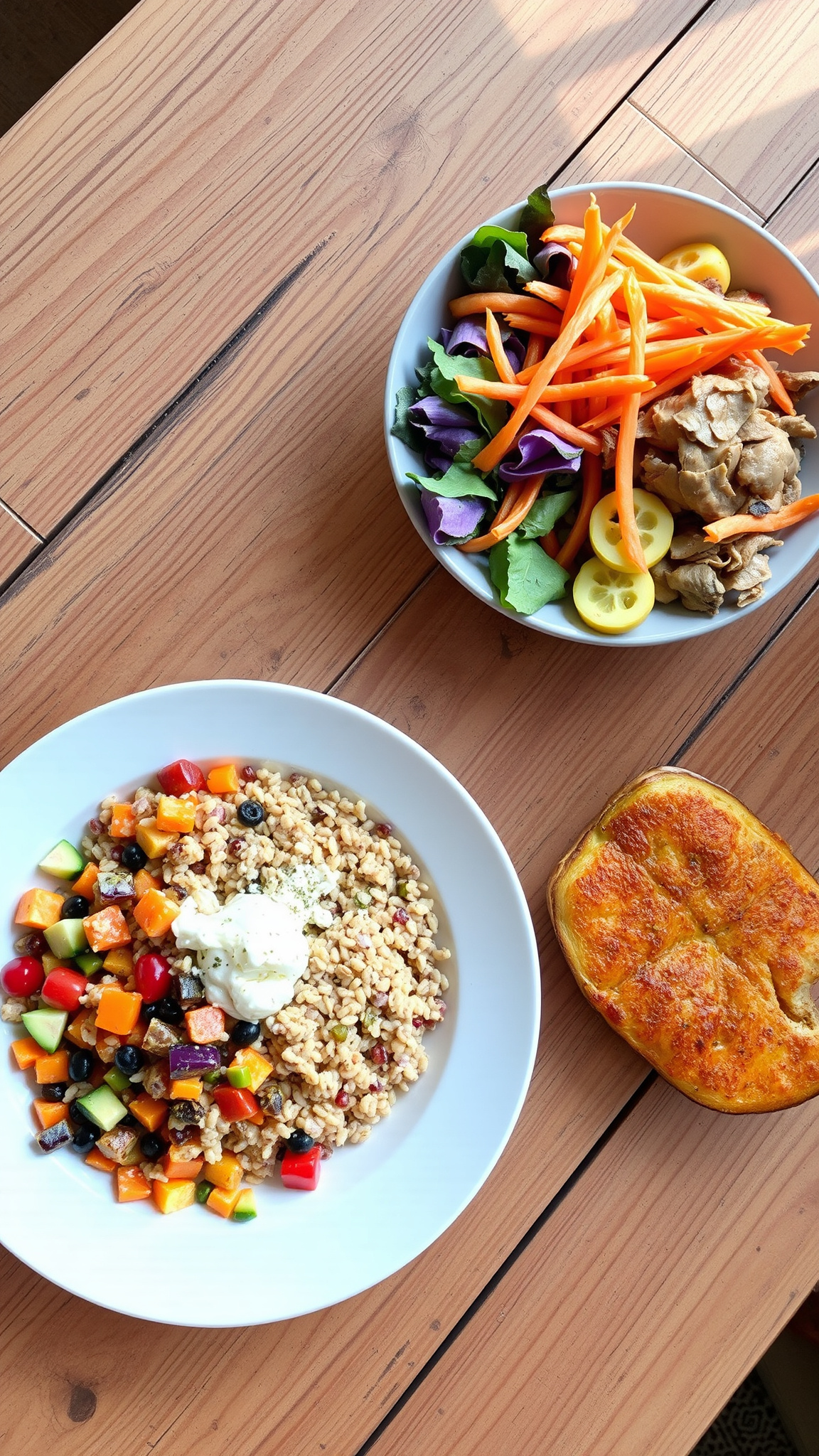
Diet focus: Ensure you’re getting adequate folic acid (about 400 µg daily) to help prevent neural tube defects. Eat plenty of leafy greens, legumes, citrus fruits and fortified cereals. Incorporate lean protein and dairy or calcium-rich alternatives.
Tip: If you’re experiencing nausea, keep small meals and ginger-tea or plain crackers handy. Avoid skipping meals.
(You don’t need to boost calories dramatically yet—focus on quality rather than quantity.)
Month 2 (Weeks 5-8)
What to focus on: Baby’s heart is forming and beginning to beat; many hormonal shifts in you may bring morning sickness, fatigue or heightened smell/taste sensitivity.
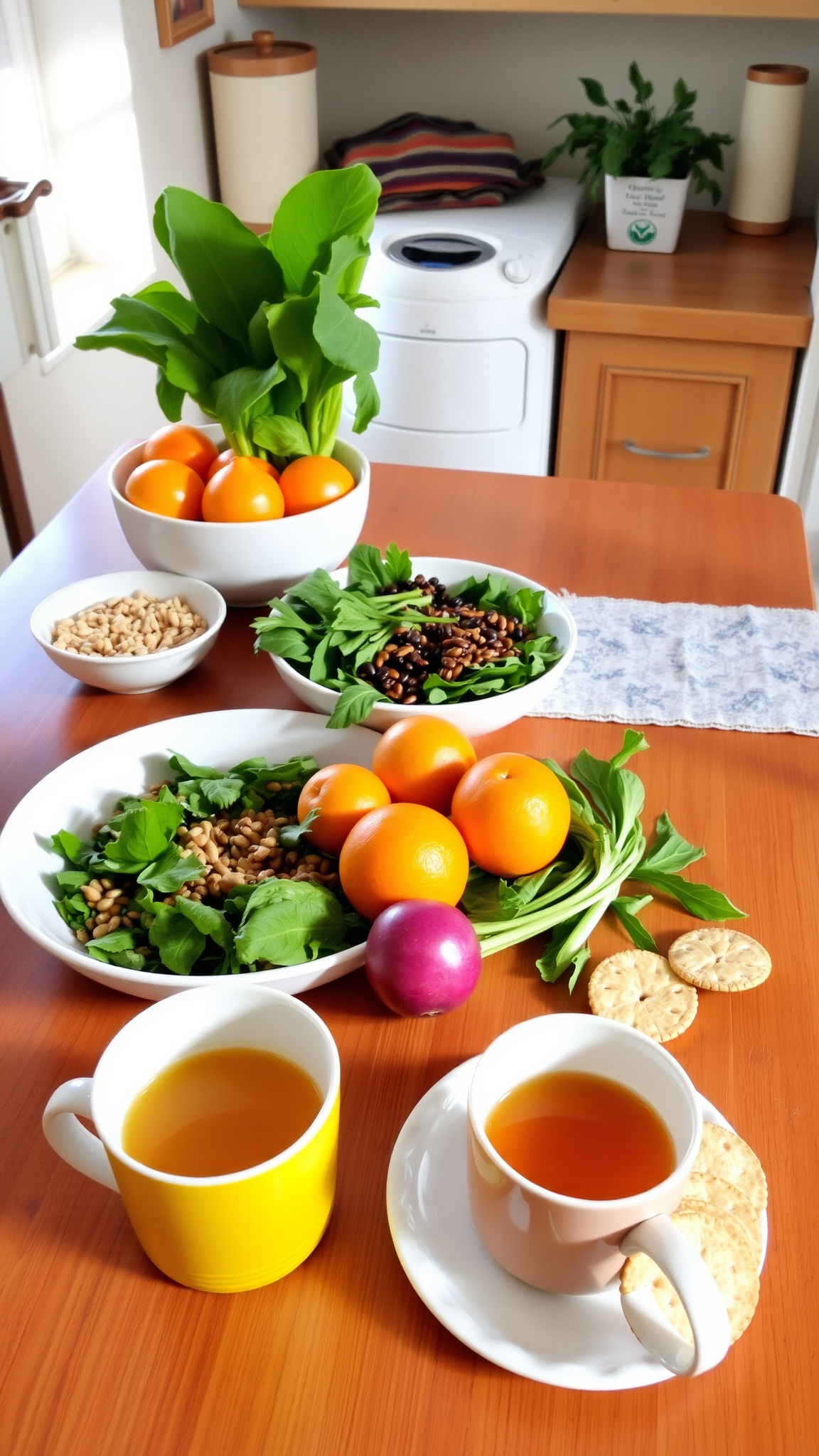
Diet focus: Iron becomes more important (iron helps support increased blood volume). Combine iron-rich foods like lean red meat, beans, fortified cereals with vitamin C sources (like oranges or strawberries) to improve absorption. Continue folic acid, calcium and whole-food variety.
Tip: If nausea is persistent, choose bland, easy-digest foods (oatmeal, bananas, toast) and avoid huge gaps between meals. Staying hydrated matters especially if you’re vomiting.

Month 3 (Weeks 9-12)
What to focus on: The first trimester is wrapping up. Many structural developments (organs, limbs) are well underway. For you, the risk of miscarriage drops as you enter week 12+; nausea may start to ease but fatigue may stick.
Diet focus: Maintain your nutrient richness. Focus on lean proteins (poultry, fish low in mercury such as salmon/sardines), whole grains, plenty of veggies, dairy or fortified alternatives. You’re still not “eating for two” in volume—but your needs for quality remain high.
Tip: Include omega-3 fatty acids (for baby’s brain and eye growth) if your diet allows. Avoid excessive caffeine (>200 mg/day) and continue food safety practices.
Month 4 (Weeks 13-16)
What to focus on: The “second trimester” is beginning, often known as the more comfortable phase for many. You’ll possibly feel more energetic, appetite may increase, baby’s movements may begin to register as flutters.
Diet focus: Your calorie needs begin to increase modestly (around +300 calories/day over non-pregnant baseline may apply soon). Make sure you’re still getting plenty of protein (about 1.1 g per kg of body weight), calcium (for bones), iron and vitamin D. Whole grains, colourful vegetables, legumes and lean meats should dominate.
Tip: Because appetite is rising, focus on nutrient-dense choices rather than “filling up” with empty calories. Snacks can be healthy: yoghurt with berries, nuts and fruit, hummus and veggie sticks.
Month 5 (Weeks 17-20)
What to focus on: Baby’s skeleton is starting to ossify, and your uterus is expanding. You may begin feeling stronger movements and you might feel like you’re “eating for more”—but remember quantity is still moderate.
Diet focus: Maintain variety and reinforce calcium (300 mg in prenatal plus dietary), magnesium, zinc and more iron if you were previously low. Continue healthy fats, whole grains and plant-based foods. Hydration remains critical.
Tip: Consider splitting meals into smaller portions if you experience indigestion or heartburn (common now). Elevate your upper body at night, and avoid big meals just before bed.
Month 6 (Weeks 21-24)
What to focus on: Mid-pregnancy checkpoint. Baby’s senses are developing; you may feel very hungry or notice weight gain accelerating. Your own body is supporting more blood flow and fluid.
Diet focus: Keep up protein, fibre (to help constipation which is common now), and plenty of fresh fruit/vegetables. Choose whole grain carbohydrates instead of refined. Continue lean proteins and keep fish selections low-mercury (limit high-mercury fish entirely).
Tip: Incorporate mild exercise like walking (if approved by your doctor) to keep digestion moving and help with sleep quality.
Month 7 (Weeks 25-28)
What to focus on: Third trimester is just ahead. Baby is gaining weight, lungs are developing. For you: you may be physically more uncomfortable—less mobility, more fatigue, you might face swelling.
Diet focus: Caloric needs increase slightly, but it remains more about nutrient quality. Emphasise high-iron foods (your iron needs remain elevated), calcium (still strong), protein and healthy fats. Also keep sodium moderate if you experience swelling.
Tip: Choose snacks that help you sustain energy: whole-grain toast with peanut butter, Greek yoghurt with fruit, cheese and whole-grain crackers. Avoid large meals that can trigger reflux.
Month 8 (Weeks 29-32)
What to focus on: Baby is getting into position, you may feel more pressure in the pelvis, more frequent urination, and the weight gain curve may accelerate. Preparation for delivery begins.
Diet focus: Continue nutrient-rich diet. More attention to iron, calcium, magnesium (which may help with muscle cramping), and vitamin C (for immunity). Stay consistent with prenatal vitamins as recommended by your healthcare provider.
Tip: Choose meals that are easy to digest, avoid excessive salt, moderate caffeinated beverages. Make dinner lighter if heartburn or indigestion become more frequent.
Month 9 (Weeks 33-36+)
What to focus on: Final stretch. Baby’s lungs, brain and body fat are rounding off. You may feel big, tired, uncomfortable. Your body is prepping for labour.
Diet focus: This is not the time for drastic changes—keep the healthy momentum going. Protein to support tissue repair, iron to prevent exhaustion, calcium and vitamin D for bone health, healthy fats for baby’s brain. Keep eating a variety of whole foods.
Tip: Stay hydrated (labour can dehydrate you), eat smaller more frequent meals (to combat pressure on stomach), and have easy-to-reach healthy snacks in case labour starts unexpectedly. Sleep when you can.
Summary Table: Quick At-a-Glance
| Month | Main Nutrient Priorities | Dietary Tip |
|---|---|---|
| 1-2 | Folic acid, iron, protein | Small frequent meals, manage nausea |
| 3-4 | Calcium, vitamin D, omega-3s | Begin modest calorie increase, continue nutrient focus |
| 5-6 | Fibre, whole grains, hydration | Snack smart, maintain digestion & energy |
| 7-9 | Iron, calcium, magnesium, protein | Digestion friendly meals, hydration for labour prep |
When to Consult a Professional
This guide offers general advice, but every pregnancy is unique. If you have any of the following, you should talk to your healthcare provider or a registered dietitian:
- Your doctor has flagged you as high-risk (e.g., gestational diabetes, high blood pressure, thyroid issues)
- You follow a vegetarian, vegan or restricted diet and worry about nutrient intake
- You have persistent vomiting or cannot keep food down
- You’re underweight or overweight and uncertain how much to adjust your calories
- You have food aversions that significantly limit your diet
Final Thoughts
The month-by-month structure helps you stay ahead of your baby’s changing needs and your own body’s demands, but the heart of good pregnancy nutrition remains the same: variety, quality and listening to your body. Eating well now isn’t about perfection—it’s about building a strong foundation for your baby’s growth, your health, and your journey into motherhood. If you keep the fundamentals in place, you’re giving your little one the best start.
Stay well, stay nourished—and enjoy the journey.


