
Soft and Flexible Gluten-Free Flatbread Recipe
Fresh flatbread makes everyday meals feel complete, but many gluten-free versions turn dry or crack when folded. This gluten-free flatbread recipe is soft, flexible, and made on the stovetop with simple pantry ingredients. No yeast, no long resting time, and no special equipment needed. The dough is easy to handle, cooks in minutes, and works well for wraps, dipping, or as a quick side with any meal.
Ingredients List
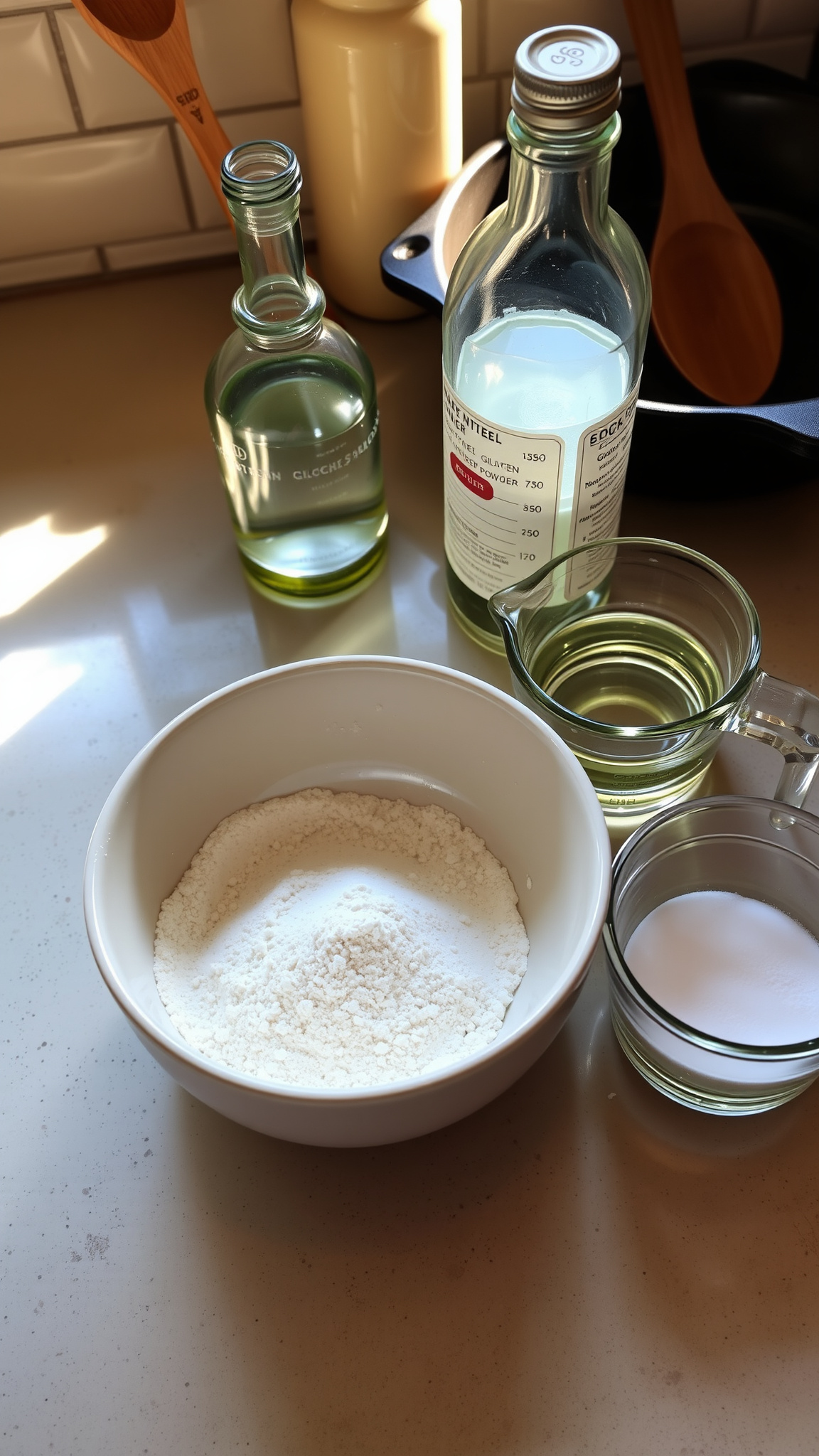
Dry Ingredients
- 1 ½ cups gluten-free all-purpose flour (with xanthan gum)
- ½ teaspoon baking powder
- ½ teaspoon salt
Wet Ingredients
- ¾ cup warm water
- 2 tablespoons olive oil or neutral cooking oil
For Cooking
- Extra oil for brushing the pan (optional)
Step-by-Step Instructions
- Mix dry ingredients.
In a large bowl, whisk together gluten-free flour, baking powder, and salt until evenly combined. - Add wet ingredients.
Pour in warm water and oil. Stir with a spoon until a soft dough forms. - Knead gently.
Turn the dough onto a lightly floured surface. Knead for about 1 minute until smooth. The dough should feel soft but not sticky. Add a small amount of flour if needed. - Divide the dough.
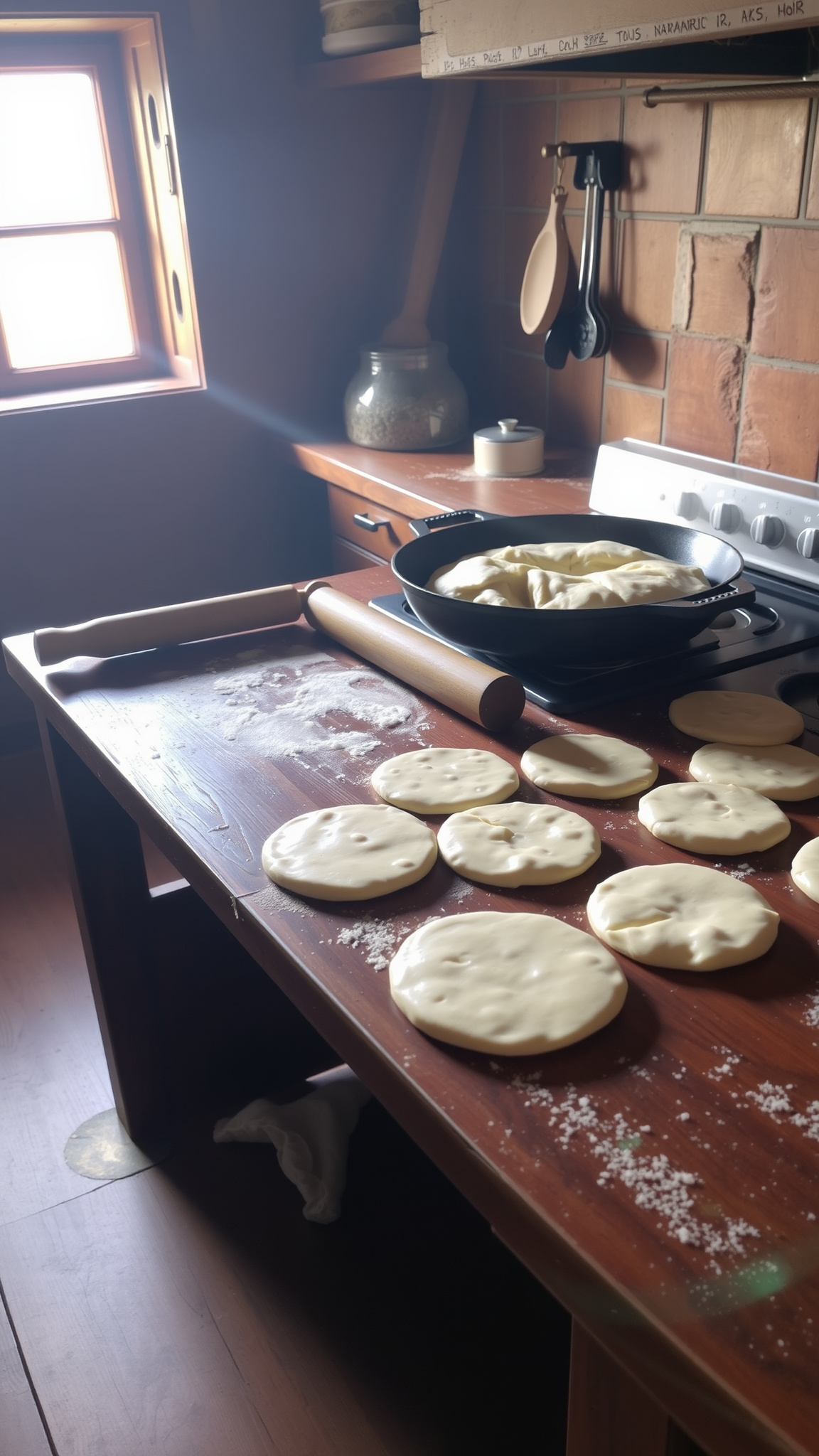
Shape into a log and cut into 6 equal pieces. Roll each piece into a smooth ball. - Roll into flat circles.
Flatten each ball and roll into thin rounds, about 5 to 6 inches wide. Keep unused pieces covered to prevent drying. - Heat the pan.
Place a non-stick or cast-iron skillet over medium heat. Lightly brush with oil if needed. - Cook the flatbread.
Place one flatbread in the hot pan. Cook for 60–90 seconds until bubbles form and the bottom has light brown spots. Flip and cook another 45–60 seconds. - Keep warm.
Transfer cooked flatbreads to a plate and cover with a clean towel while cooking the rest. - Serve immediately or cool for storage.
Flatbreads are best warm but also stay soft once cooled.
How to Serve
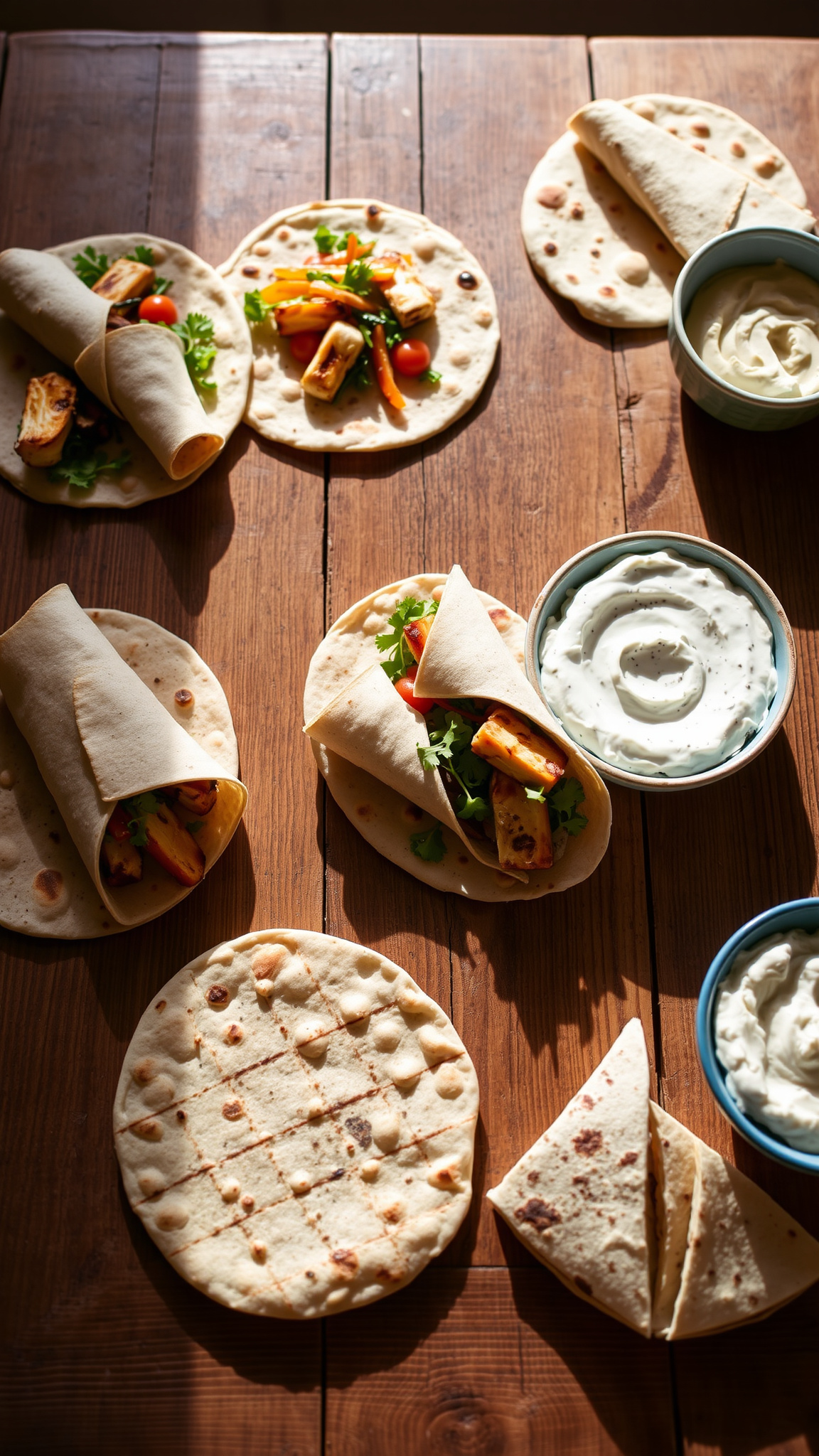
These gluten-free flatbreads work well as wraps for grilled chicken, vegetables, or falafel. They can also be cut into wedges and served with hummus, yogurt dips, or soups. For a simple meal, use them as a base for quick flatbread pizzas with sauce and cheese. They also pair nicely with curries, stews, and lentil dishes where you want something soft to scoop and soak up sauce.
Storage Instructions
Let flatbreads cool completely before storing. Place them in an airtight container or sealed bag and keep at room temperature for up to 24 hours. For longer storage, refrigerate for up to 4 days. Reheat in a dry pan over low heat or in the microwave wrapped in a damp paper towel. Flatbreads can also be frozen for up to 2 months with parchment between each piece to prevent sticking.
Helpful Tips
Use warm water, not hot, to keep the dough soft and easy to roll. If the dough cracks while rolling, lightly wet your fingers and smooth the edges. Different gluten-free flour blends absorb water differently, so adjust with small amounts of flour or water as needed. Cooking on medium heat prevents burning while allowing the inside to cook fully. Keeping cooked flatbreads covered helps retain moisture and flexibility.
Variations
- Herb Flatbread: Add 1 teaspoon dried oregano, garlic powder, or mixed herbs to the dry ingredients.
- Dairy-Free Yogurt Version: Replace ¼ cup of water with plain dairy-free yogurt for extra softness.
- Whole-Grain Style: Use half gluten-free oat flour and half all-purpose gluten-free flour for a heartier texture.
- Garlic Butter Flatbread: Brush cooked flatbreads with melted dairy-free butter mixed with garlic powder and salt.
Nutrition Facts (Per Flatbread, Approximate)
| Nutrient | Amount |
|---|---|
| Calories | 135 kcal |
| Carbohydrates | 22 g |
| Protein | 2 g |
| Fat | 5 g |
| Fiber | 2 g |
| Sodium | 190 mg |
Values are estimates and may vary based on flour brand and oil used.
FAQs
Can I make this without baking powder?
Yes, but the flatbread will be slightly denser and less tender. Baking powder helps create light air pockets.
Why is my flatbread stiff?
Overcooking or using too much flour can dry it out. Cook just until light brown spots appear and keep covered after cooking.
Can I bake these instead of using a pan?
Pan cooking gives the best texture, but they can be baked at 400°F (200°C) for about 6–8 minutes, flipping halfway.
Which flour works best?
Use a gluten-free all-purpose blend that contains xanthan gum. Single flours may not hold together as well.
Can I double the recipe?
Yes, this recipe scales well. Just keep the dough covered while working in batches.
Conclusion
Making soft, flexible gluten-free flatbread at home is easier than most people expect. With simple ingredients and quick stovetop cooking, you can have fresh flatbreads ready in minutes for wraps, dips, and full meals. Try this recipe, adjust it to your taste, and add it to your regular meal routine. Once you see how simple it is, store-bought flatbread may not be needed anymore.


