

Stevia vs Sucralose for Diabetics: Comparison Table, Pros & Cons
Artificial and natural sweeteners have become staples for people with diabetes who want to enjoy sweetness without spiking blood sugar. Among the many choices, Stevia and Sucralose stand out as the most popular.
But which one is safer, healthier, and more suitable for managing diabetes? Let’s break it down clearly and scientifically.
Understanding Stevia
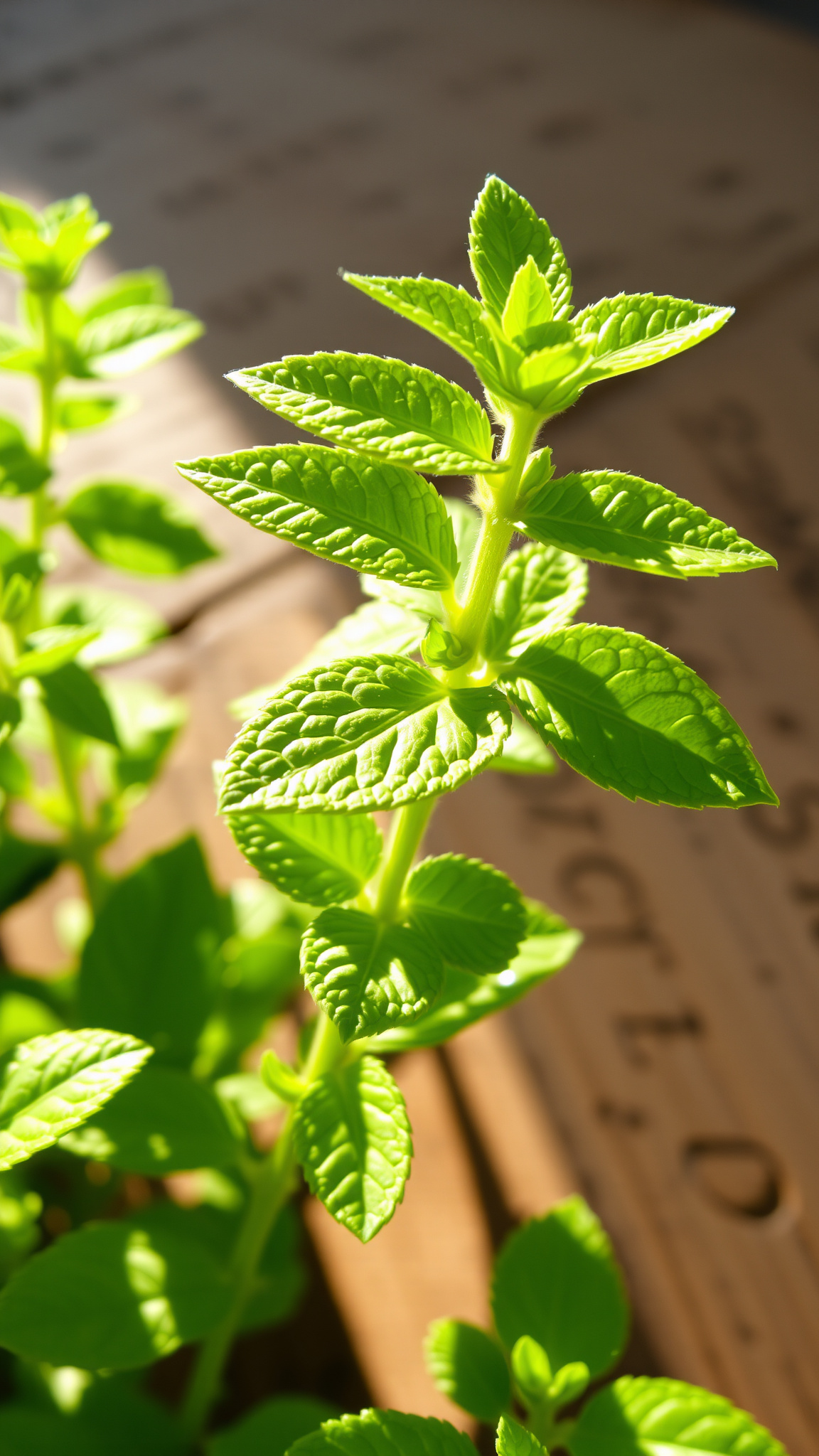
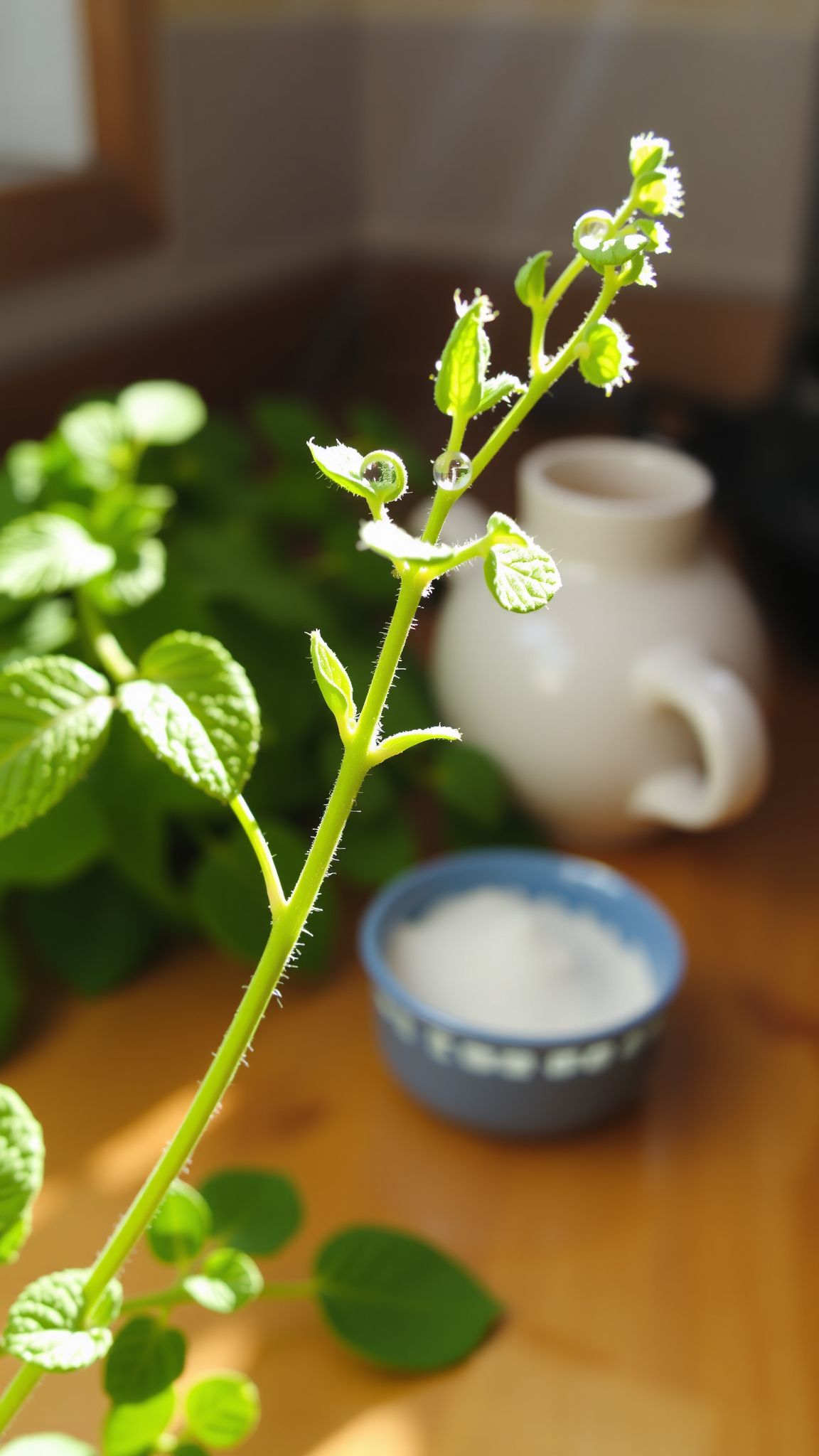
Stevia comes from the leaves of Stevia rebaudiana, a South American plant known for its naturally sweet taste. The active compounds, called steviol glycosides, are up to 200–300 times sweeter than sugar but contain zero calories.
Stevia is considered a natural non-nutritive sweetener, meaning it doesn’t raise blood glucose levels and has no measurable calories or carbs.
Health Highlights:
- Plant-derived and non-artificial.
- Generally recognized as safe (GRAS) by the FDA.
- May even have mild anti-inflammatory and antioxidant effects in some studies.
Understanding Sucralose
Sucralose (brand name: Splenda) is a synthetic sweetener made by modifying sugar molecules. It’s about 600 times sweeter than table sugar, yet passes through the body mostly undigested — meaning it contributes almost no calories.
It’s heat-stable, making it ideal for baking and cooking, unlike many other artificial sweeteners.
Health Highlights:
- Artificial but extensively tested for safety.
- Non-caloric and does not affect blood glucose in most people.
- May alter gut microbiota with long-term heavy use (still debated).
Stevia vs Sucralose: Quick Comparison Table
| Feature | Stevia | Sucralose |
|---|---|---|
| Source | Natural (Stevia plant) | Synthetic (chlorinated sucrose) |
| Sweetness Level | 200–300× sweeter than sugar | 600× sweeter than sugar |
| Calories | 0 | 0 |
| Glycemic Index | 0 | 0 |
| Effect on Blood Sugar | None | None (for most users) |
| Aftertaste | Slightly bitter or licorice-like | Clean, sugar-like |
| Heat Stability | Moderate (some bitterness when cooked) | Excellent (stable in baking/cooking) |
| Safety Status (FDA) | GRAS (Generally Recognized as Safe) | Approved (GRAS) |
| Impact on Gut Health | May support healthy gut flora | Some studies suggest imbalance with heavy use |
| Best Use | Beverages, cold dishes, yogurt | Baking, sauces, hot beverages |
Pros and Cons of Stevia
Pros:
- Natural origin: Extracted from a plant rather than made synthetically.
- Blood sugar neutral: Doesn’t raise insulin or glucose levels.
- Potential health benefits: Some studies show antioxidant and blood-pressure-lowering effects.
Cons:
- Aftertaste issues: Many users find it slightly bitter, especially in high concentrations.
- Blended products may contain fillers: Some commercial brands mix Stevia with maltodextrin or dextrose, which can affect blood sugar.
- Cooking challenges: Can taste different when heated or used in large amounts.
Pros and Cons of Sucralose
Pros:
- Sugar-like taste: Nearly identical to sugar, without bitterness.
- Excellent heat stability: Works well for baking, caramelization, and sauces.
- Zero glycemic impact: Ideal for diabetics who want sweetness without spikes.
Cons:
- Artificial origin: Made through a chemical process, which concerns some consumers.
- Possible gut microbiome effects: Some studies link excessive use to reduced beneficial gut bacteria.
- May affect insulin response in rare cases: Limited evidence suggests slight insulin effects in sensitive individuals.
Which Is Better for Diabetics?
Both Stevia and Sucralose are approved as safe for people with diabetes, but the “better” choice depends on your personal goals.
- Choose Stevia if you prefer natural, plant-based ingredients and don’t mind a mild aftertaste. It’s ideal for everyday use in drinks or yogurt.
- Choose Sucralose if you love baking or want something that tastes most like sugar. It performs better in high temperatures and complex recipes.
For most diabetics, moderate use of either is safe — but rotating between natural and artificial options may reduce long-term exposure risks.
How to Use Them Wisely
- Check labels: Many “Stevia” or “Sucralose” packets contain fillers like maltodextrin. Choose pure extracts if possible.
- Watch your total intake: Even zero-calorie sweeteners can affect taste preferences, making natural foods seem less sweet.
- Use in moderation: Overuse may cause digestive discomfort in some people.
- Combine with whole foods: Pair with protein, fiber, or fat for balanced blood sugar levels.
Expert Insight
Studies show both sweeteners can help reduce overall sugar intake and assist with weight and glucose management when used mindfully.
However, long-term metabolic effects remain under investigation, so the best approach is variety and moderation rather than exclusive reliance on one type.
Frequently Asked Questions
1. Can Stevia or Sucralose cause insulin spikes?
Stevia has shown no insulin response in most studies. Sucralose may trigger a small response in some people, but it’s generally negligible for diabetics.
2. Are they safe for daily use?
Yes, within the acceptable daily intake (ADI):
- Stevia: up to 4 mg per kg of body weight per day.
- Sucralose: up to 5 mg per kg of body weight per day.
3. Can they help with weight loss?
Replacing sugar with either Stevia or Sucralose can reduce calorie intake, supporting weight management — as long as you don’t compensate by eating more sweet foods.
4. Do they affect gut health?
Stevia seems neutral or slightly beneficial, while excessive Sucralose might impact gut flora. More research is ongoing.
conclusion
Both Stevia and Sucralose are safe, effective sugar substitutes for people with diabetes when used in moderation.
If you’re looking for a natural option with added potential health perks, Stevia wins.
If your goal is taste accuracy and baking performance, Sucralose takes the lead.
The best approach? Use both strategically — Stevia for daily beverages and Sucralose for occasional cooking or baking.


