

8 Sugar-Free Rice Alternatives: Pros and Cons, Nutrition, Recipes
Many people reach for regular white rice because it’s easy and familiar. But if you’re watching blood sugar, managing weight, or simply wanting more variety in your meals, swapping in a rice alternative can make a big difference. These substitutes often bring extra fibre, protein or vegetables—and fewer refined carbs. They’re not about restriction; they’re about smarter, more balanced meals. Research supports that non-rice alternatives (especially vegetables or whole grains) help slow digestion and moderate glucose responses.
In what follows I’ll walk you through eight solid alternatives: each one’s benefits, potential drawbacks, nutrition highlights, and a simple recipe or serving idea so you can try them at home.
1. Cauliflower Rice
Pros
- Very low in carbohydrates and calories compared with regular rice.
- Mild flavour and versatile: you can season it like rice, stir-fry it, or use it under saucy dishes.
- Adds vegetables into your plate, boosting micronutrients.
Cons
- Texture is different from traditional rice—has softer “grains” so it won’t mimic exactly.
- If used alone, may feel light and less filling if you’re used to larger portions of rice.
Nutrition snapshot
A 100 g cooked portion of riced cauliflower provides about 23 kcal, 4 g carbs, 2.3 g fibre.
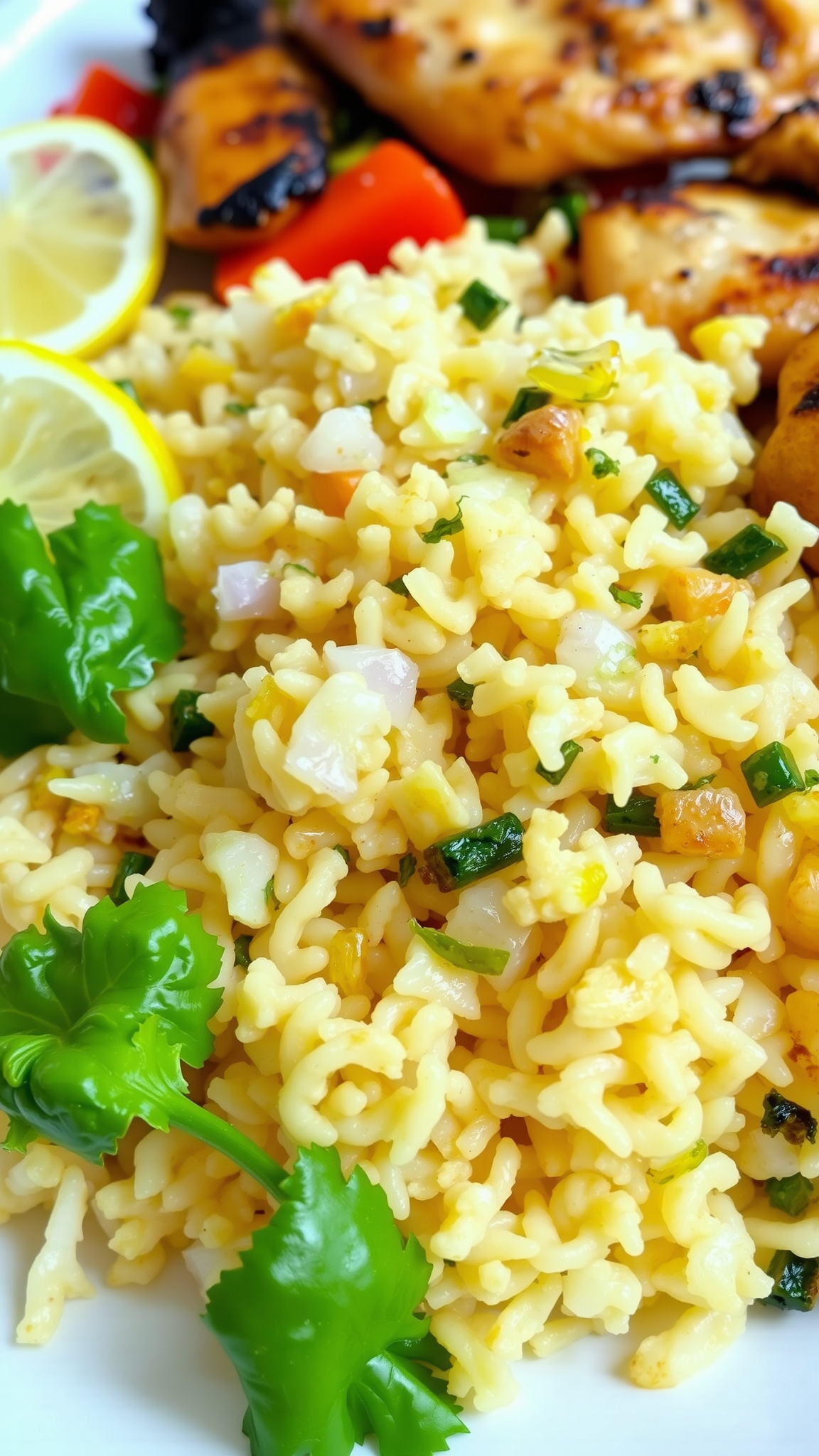
Recipe idea
Heat a little olive oil in a pan, add one chopped onion and garlic, then stir in 2 cups of cauliflower florets pulsed into rice size. Cook for 4-5 minutes until tender. Season with salt, pepper and a squeeze of lemon. Serve under grilled chicken or mixed veggies.
2. Broccoli Rice
Pros
- Another vegetable-based “rice” substitute, bringing extra vitamins like vitamin C.
- Low-calorie, low-carb, and great for increasing greens in your plate.
Cons
- Stronger flavour than plain rice—some may find the “broccoli” taste more prominent.
- Texture may be moister than rice, and it may clump more if over-cooked.
Nutrition snapshot
100 g cooked broccoli “rice” gives about 35 kcal, 7.2 g carbs, 3.3 g fibre.
Recipe idea
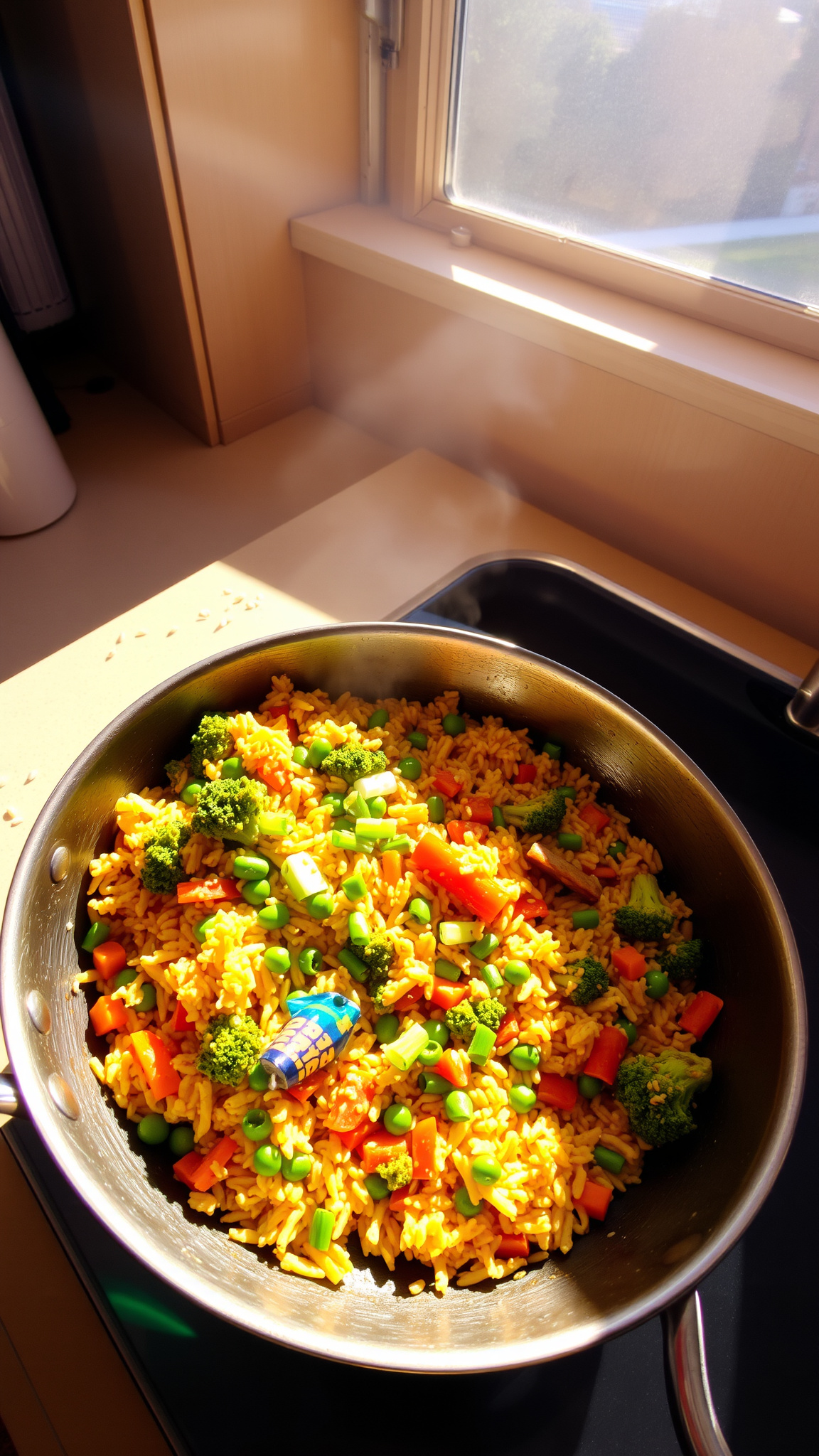
Try stir-frying prepared broccoli rice with a little sesame oil, frozen peas, chopped carrots and a splash of soy sauce. Finish with chopped spring onions and some toasted sesame seeds.
3. Shirataki (Konjac) “Rice”
Pros
- Extremely low in calories and net carbs thanks to the konjac root base (glucomannan fibre).
- Gluten-free and suitable for low-carb, keto, or blood-sugar conscious diets.
Cons
- Texture is quite different: more gelatinous and less rice-grain like, which may take getting used to.
- Needs rinsing and proper cooking (draining liquid) to avoid off-flavour.
Nutrition snapshot
One serving (≈ 85 g) is often labelled zero calories because manufacturers can state <5 kcal per serving.
Recipe idea
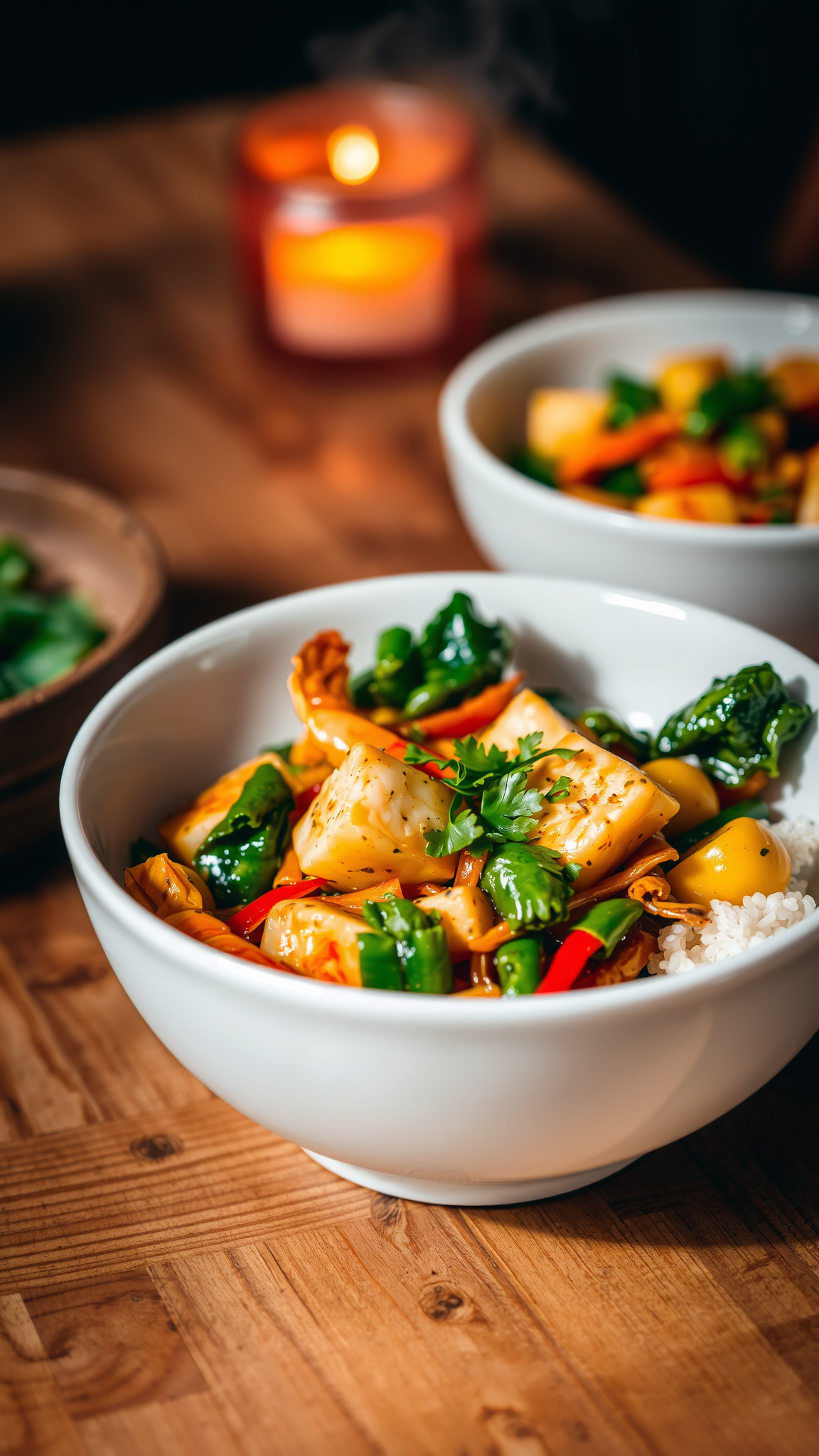
Drain and rinse a pack of shirataki rice, dry sauté for 1 minute, then add your usual stir-fry veggies and protein (tofu or shrimp). Finish with a splash of teriyaki or chilli-garlic sauce. The shirataki absorbs flavour while adding volume.
4. Quinoa
Pros
- A “seed” that cooks like a grain; gluten-free and higher in protein than rice.
- Good fibre content and more nutrients compared to pure white rice.
Cons
- It still contains carbohydrates — not ultra-low carb — so portion size matters for blood-sugar control.
- Slightly nuttier flavour and firmer texture may require adjustment if you’re accustomed to softer rice.
Nutrition snapshot
Half a cup of cooked quinoa (≈ 90 g) gives around 2.2 g protein per 50 g cooked (per Atkins data) and moderate carbohydrate.
Recipe idea
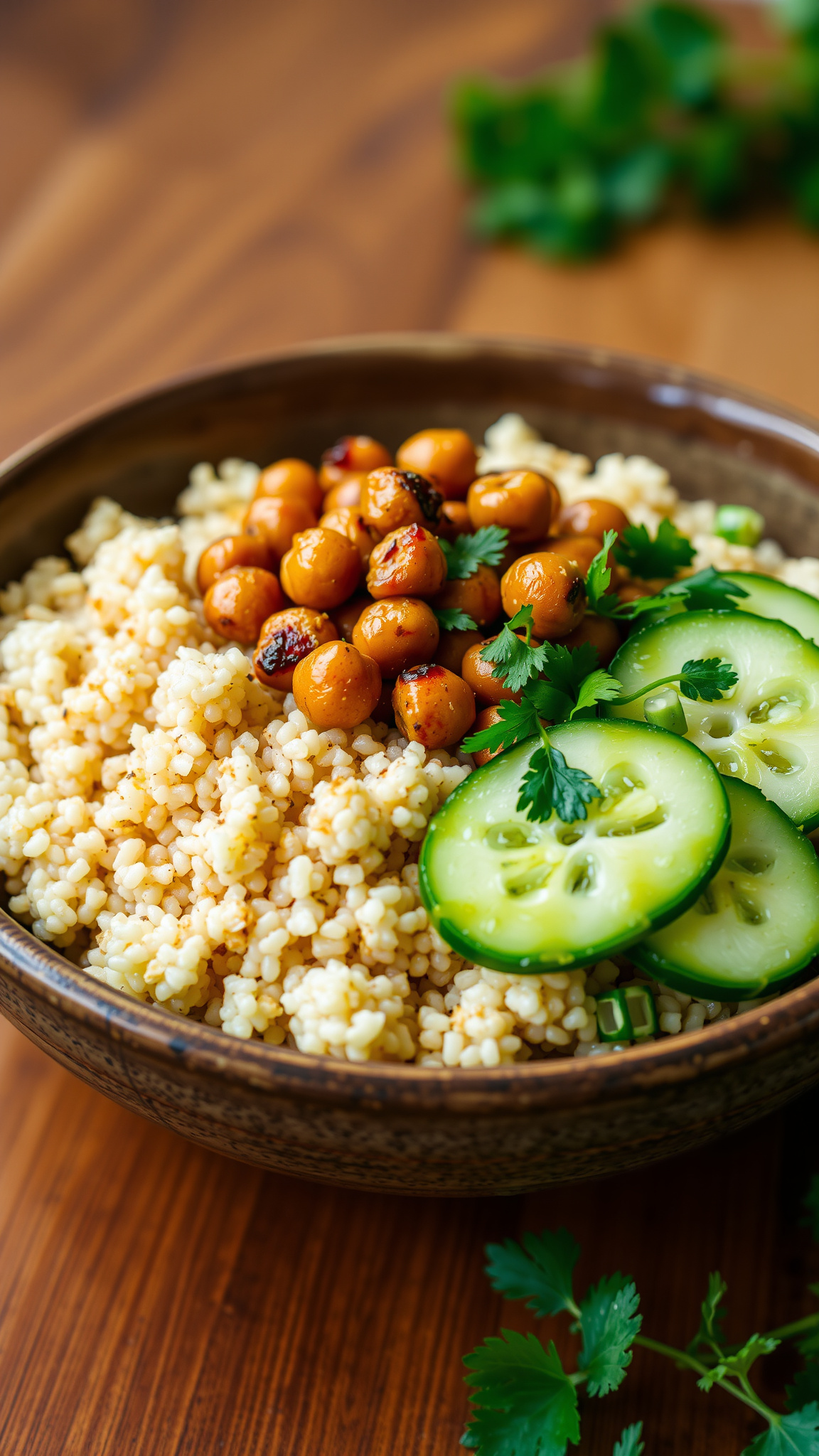
Cook quinoa in vegetable stock for extra flavour. Fluff it and toss with roasted chickpeas, chopped parsley, diced cucumber, lemon juice and olive oil for a refreshing grain-bowl side.
5. Barley
Pros
- A whole grain with chewy texture and more fibre than white rice.
- Works well in salads, soups, or as a rice substitute in dishes needing chew and substance.
Cons
- Contains gluten, so not suitable for those with celiac disease or gluten-sensitivity.
- Takes longer to cook compared to rice (25-30 minutes for hulled barley)
Nutrition snapshot
A half-cup (81 g) cooked barley gives roughly the same calories as white rice but more fibre, protein, and micronutrients.
Recipe idea
Make a warm barley risotto: cook barley in chicken or veggie broth, add sautéed mushrooms and spinach, then stir in grated Parmesan at the end. It gives rice-like comfort with added nutrition.
6. Bulgur Wheat
Pros
- Cracked whole-wheat cereal: cooks quickly and has lighter texture compared to some whole grains.
- Good fibre content and works well in cold salads or warm sides.
Cons
- Contains gluten (so avoid if you’re gluten-free).
- Texture is a bit different—less “grained” than rice so you may notice the swap.
Nutrition snapshot
Bulgur provides fewer calories and carbs than white rice, with more fibre, making it a solid alternative.
Recipe idea
Prepare bulgur by soaking or boiling briefly, then mix with chopped tomatoes, cucumber, mint and parsley for a tabbouleh-style side. Use it under grilled fish or with a dollop of yogurt on top.
7. Farro
Pros
- Ancient whole grain wheat product: hearty texture, nutty flavour, higher fibre and more filling than rice.
- Excellent for hearty bowls, vegetarian mains, or replacing rice in stuffed peppers or casseroles.
Cons
- Contains gluten (so not suitable for gluten-free diets).
- Takes longer to cook and may require soaking for best results. Some people may find the chewiness unfamiliar.
Nutrition snapshot
Farro gives a more substantial texture and better satiety than white rice; it offers increased fibre and plant-based nutrients.
Recipe idea
Cook farro in broth until tender but chewy. Combine with roasted sweet potato, kale, white beans and a lemon-mustard vinaigrette for a complete vegetarian bowl.
8. Lentils (or Legume “Rice” Bases)
Pros
- While not a grain, lentils make a great base instead of rice: rich in plant-based protein and fibre.
- Very filling and stabilising for blood sugar because of the slower digestion of legumes.
Cons
- Lentils look different from rice and have a distinct texture—expect a change in the appearance and feel of the dish.
- Some dishes with sauce may require flavour adjustments since lentils absorb liquids differently.
Nutrition snapshot
For example, lentils provide about 4.5 g protein per 50 g cooked (in low-carb context) and fewer net carbs than rice in certain serving sizes.
Recipe idea
Cook red lentils until just tender (about 10-12 minutes), then drain excess water. Use them as a bed under curried chicken or veg stew instead of rice. Garnish with fresh coriander and a squeeze of lime.
How to choose the right alternative for you
- Blood sugar/diabetes concern: Go with very low-carb options (cauliflower rice, broccoli rice, shirataki) or pairing moderate-carb alternatives (quinoa, barley) with plenty of vegetables and protein.
- Gluten-free needs: Choose gluten-free substitutes (cauliflower, broccoli, shirataki, quinoa) and avoid wheat-based grains (barley, bulgur, farro).
- Preference for “grain feel”: If you miss the chew of rice and don’t mind gluten, barley or farro give a similar mouth-feel with extra fibre.
- Time and convenience: Riced vegetables are fast; whole grains may take longer to cook. Plan accordingly.
- Taste and texture: Try small swaps first to see how your palate and dishes respond. You might prefer mixing half rice/half alternative as a transition.
Practical tips for cooking and serving
- Rinse whole grains (barley, quinoa, farro) before cooking to reduce processing residues and improve taste.
- For vegetable “rices,” use a food processor or pre-bagged riced veggie versions to save time. Sauté with minimal oil, season early, and avoid over-cooking so they don’t turn mushy.
- Adjust liquid amounts: vegetables need less water than standard rice; legumes often need pre-soaking or careful cooking to avoid mush.
- Pair your alternative with flavourful sauces, herbs, spices and a good source of protein. That keeps the meal satisfying and helps steady blood-sugar response.
- Mind portions: Even healthy carbs count. For moderate-carb substitutes (quinoa, barley), keep serving size similar to what you’d use for rice and bulk up with vegetables.
Final thoughts
Swapping out regular rice for a sugar-free or lower-carb alternative doesn’t have to feel like a diet sacrifice—it can be an upgrade. Whether you choose cauliflower rice for quick ease, quinoa for protein, or lentils for hearty vegetarian bowls, you’re choosing smarter nutrition without losing enjoyment. These swaps support steadier energy, more fibre, and broader nutrient intake. Start by trying one alternative this week in a meal you already love. Observe how you feel, what you like, and build from there.


