

Top 10 Vegetables High In Protein
When I first started trying to increase my protein intake without relying entirely on meat, I’ll admit I was a little lost. I thought protein just meant chicken breasts and protein shakes. I spent a lot of time searching for plant-based options that were satisfying, and I was genuinely surprised to find just how much protein I could get from vegetables I was already eating (or should have been eating).
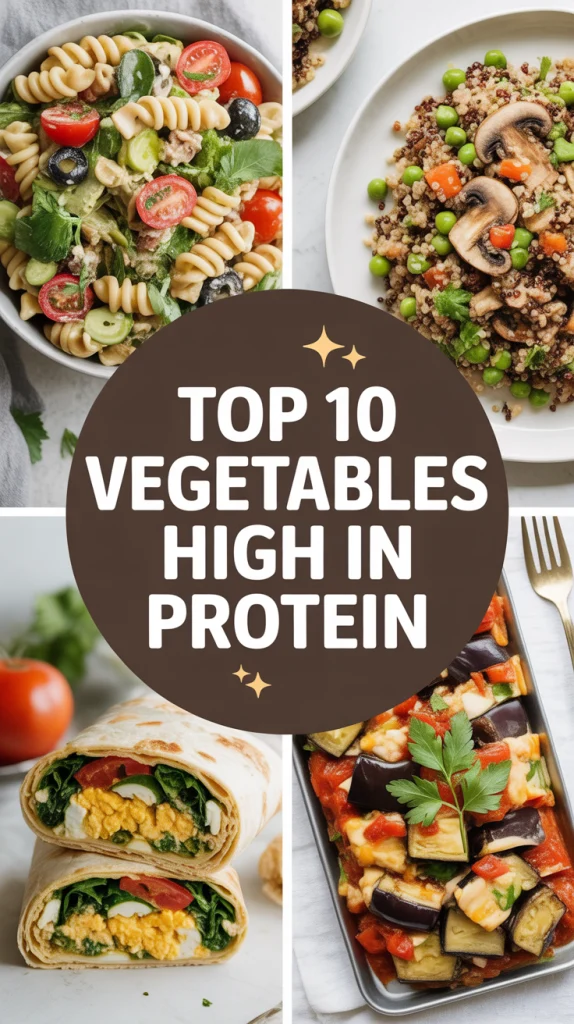
If you’re looking to build muscle, stay full longer, or simply round out your diet, vegetables can be a fantastic source of protein.
Why Bother with Protein from Vegetables?
Before we jump into the list, why should we even look to vegetables for protein? Protein is a vital macronutrient essential for building and repairing tissues, making enzymes and hormones, and supporting your immune system.
While meat and dairy are concentrated sources, vegetable proteins come packaged with other incredible nutrients: fiber, vitamins, minerals, and antioxidants. This combination is great for digestive health, heart health, and overall wellness. Adding these to your diet is an easy way to boost your nutrient intake while also increasing your protein.
A Quick Note on “Vegetable” vs. “Legume”
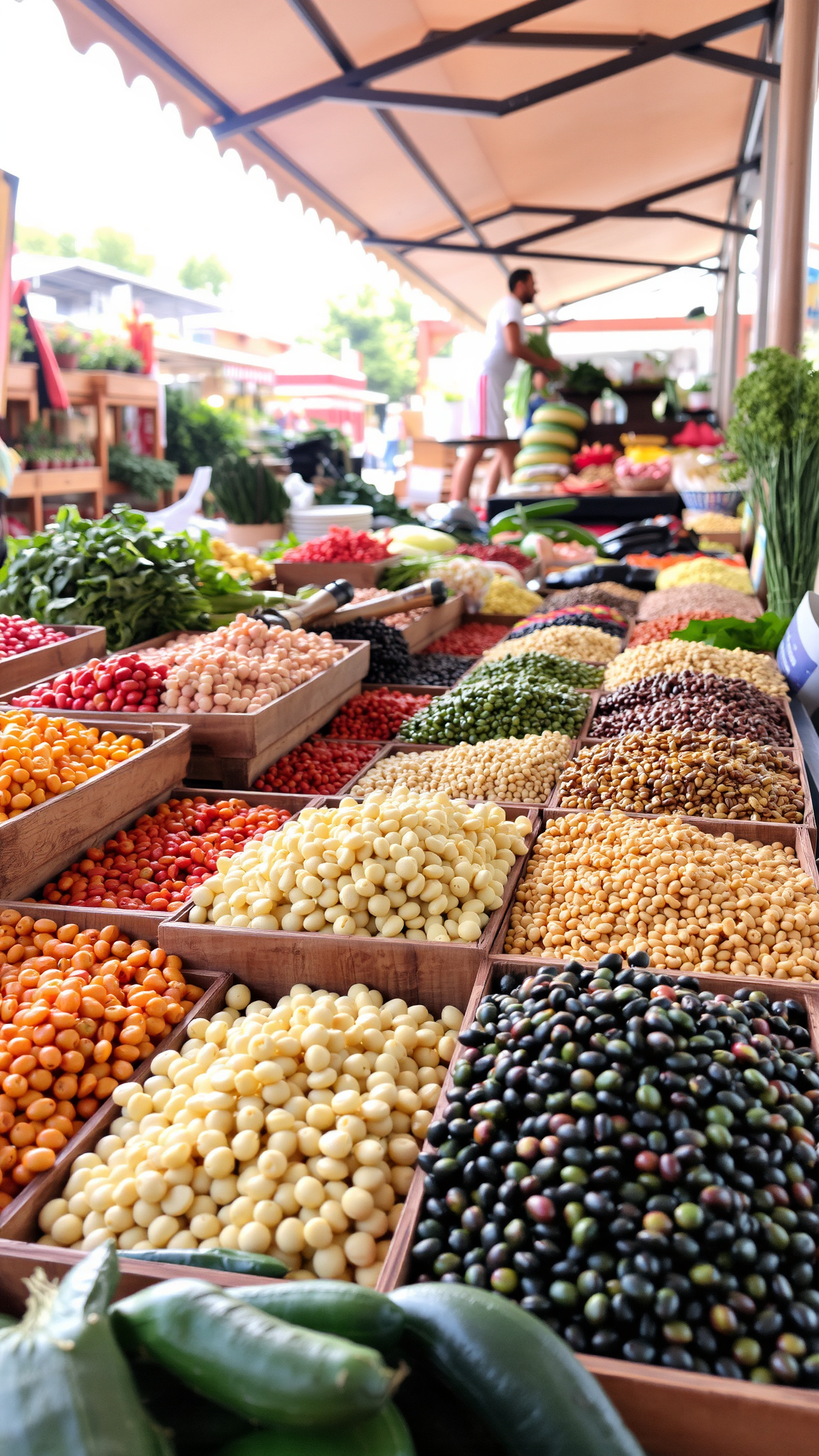
To give you the most useful and honest list, I have to make a quick clarification. When people search for “high-protein vegetables,” the most powerful sources are technically legumes (beans, peas, and lentils).
In the culinary world, we treat them all as vegetables. So, this list includes both true vegetables and the protein-heavy legumes you’ll find in the produce aisle (or canned goods aisle) to give you the best options available. The protein counts listed are approximate for one cup, cooked.
Top 10 High-Protein Vegetables (and Legumes)
1. Edamame

Protein: Approximately 18 grams per cup.
These young soybeans are the undefeated champion of vegetable protein. You can buy them shelled or in the pod, fresh or frozen. They are a complete protein, meaning they contain all nine essential amino acids your body needs.
2. Lentils
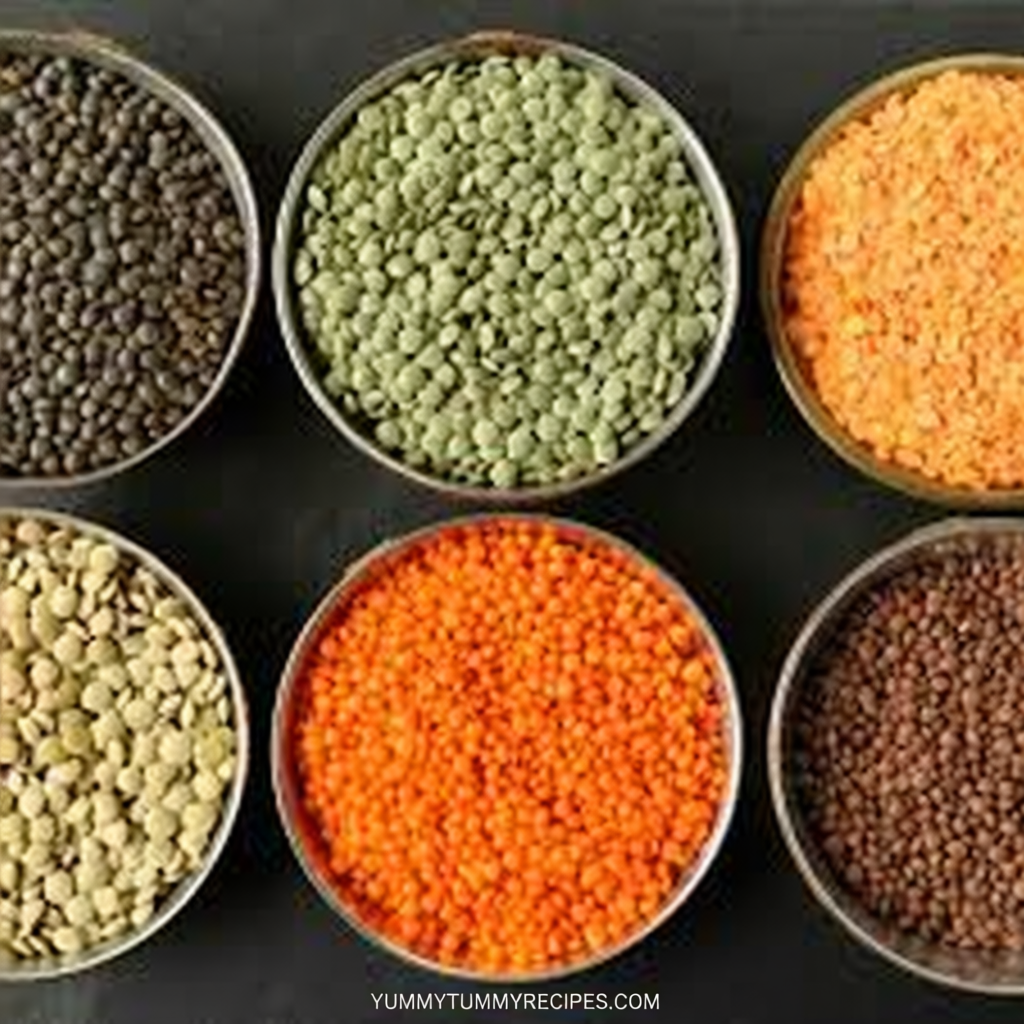
Protein: Approximately 18 grams per cup.
Lentils are an inexpensive, versatile, and fiber-rich powerhouse. They come in brown, green, and red varieties and are fantastic for hearty soups, stews, salads, or as a base for meatless burgers.
3. Chickpeas (Garbanzo Beans)

Protein: Approximately 15 grams per cup.
A staple in Mediterranean and Middle Eastern diets, chickpeas are incredibly versatile. They are the main ingredient in hummus but are also amazing when roasted for a crunchy snack or added to curries and salads.
4. Black Beans
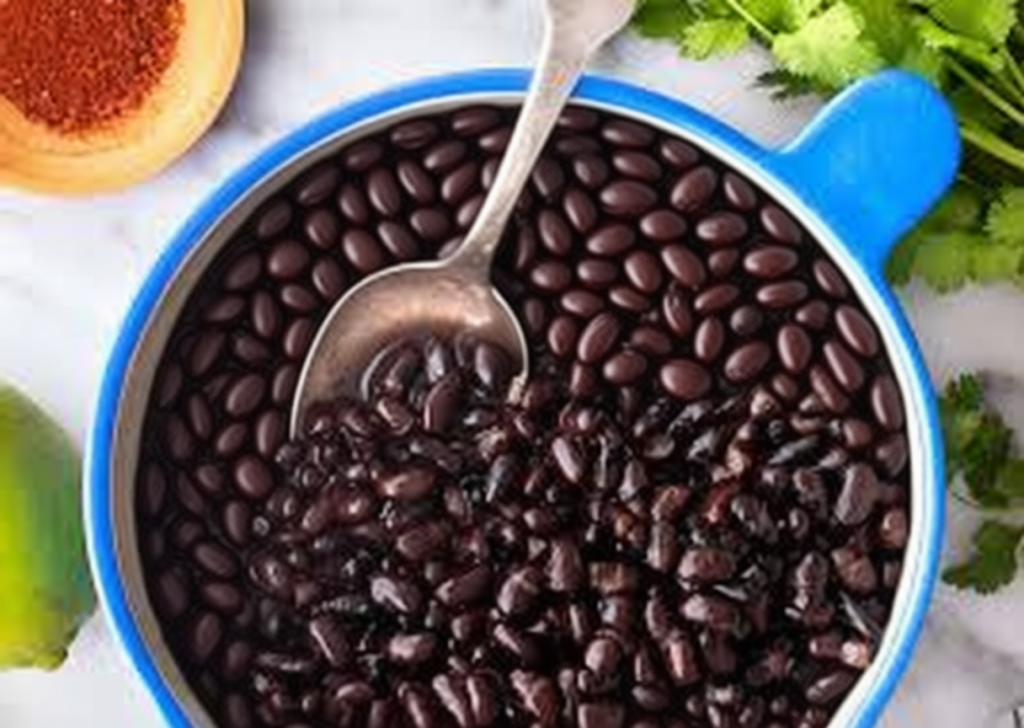
Protein: Approximately 15 grams per cup.
Black beans are packed with protein and fiber, which makes them incredibly filling. They are a staple in Latin American cuisine and work perfectly in tacos, burritos, chilis, and even brownies.
5. Butter Beans
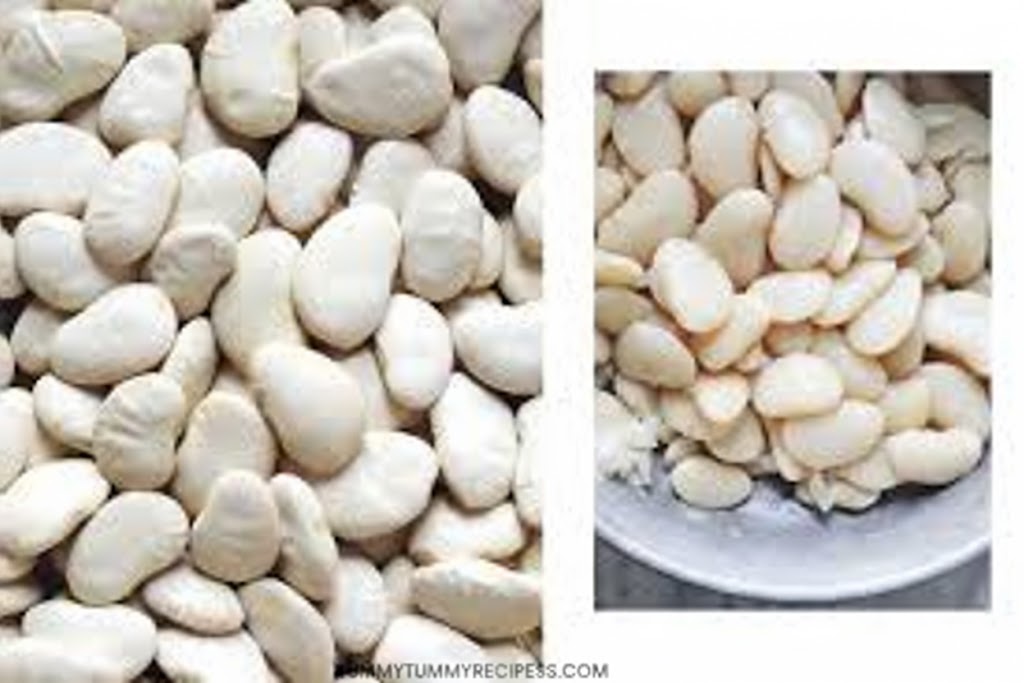
Protein: Approximately 14 grams per cup.
Don’t skip the lima beans. When cooked, they have a creamy, buttery texture that is fantastic in soups, stews, or simply as a standalone side dish seasoned with a little olive oil and herbs.
6. Green Peas
Protein: Approximately 9 grams per cup.
A bag of frozen peas is one of the easiest ways to add a quick protein boost to any meal. They are surprisingly high in protein and can be tossed into pasta, rice dishes, salads, or mashed into a spread.
7. Spinach
Protein: Approximately 5 grams per cup (cooked).
You have to cook spinach to concentrate its protein content. A whole bag of raw spinach wilts down to a very small, nutrient-dense serving. It’s an easy addition to omelets, pasta sauces, or as a simple sautéed side.
8. Artichokes
Protein: Approximately 4-5 grams per cup (cooked hearts).
Artichokes are not only delicious but also a great source of protein and fiber. Canned or jarred artichoke hearts are an easy way to add them to salads, dips, or pasta dishes.
9. Asparagus
Protein: Approximately 4 grams per cup (cooked).
This spring vegetable offers a solid protein punch along with a host of vitamins. Roasted or grilled asparagus is a classic, elegant side dish that pairs well with almost any main course.
10. Brussels Sprouts
Protein: Approximately 4 grams per cup (cooked).
When cooked properly (roasted, not boiled!), Brussels sprouts are delicious and nutritious. They provide a good amount of protein, fiber, and vitamins.
How to Easily Add These to Your Diet
Seeing the numbers is one thing, but using them is another. Here are a few simple ways to incorporate these foods without much effort:
- Snack Smart: Keep steamed edamame or roasted chickpeas on hand for a high-protein snack instead of chips.
- Boost Your Salads: Toss a half-cup of chickpeas, black beans, or lentils onto any salad to make it a complete and filling meal.
- Make it a Base: Swap your usual carb base (like rice) for a bed of lentils or quinoa, or mix them half-and-half.
- Blend It In: Add a large handful of spinach to any fruit smoothie. You won’t taste it, but you’ll add a boost of protein and iron.
- Rethink Your Sides: Instead of a simple salad, serve sautéed spinach, roasted asparagus, or roasted Brussels sprouts as your side dish.
conclusion
You don’t need to be a vegetarian or vegan to benefit from plant-based proteins. By learning which vegetables are high in protein, you can easily make your meals more balanced, nutrient-dense, and satisfying. Start by picking one or two from this list and adding them to your grocery cart this week.


