

What Is Prediabetes? 5 Diets to Reverse Prediabetes in 1 Year
Prediabetes happens when blood sugar levels rise above normal but haven’t yet reached the threshold for type 2 diabetes. It’s your body’s way of warning that changes are needed before diabetes sets in.

When you eat, your body converts food into glucose. Insulin, a hormone from the pancreas, helps move that glucose into your cells for energy. In prediabetes, your cells resist insulin, leaving more glucose circulating in your blood. Over time, this imbalance increases the risk of developing full diabetes if left unchecked.
Common Risk Factors
Anyone can develop prediabetes, but certain factors raise your risk, including:
- Being overweight or obese
- Having a sedentary lifestyle
- A family history of type 2 diabetes
- High blood pressure or high cholesterol
- Polycystic ovary syndrome (PCOS) in women
- Eating a diet high in refined carbs or sugary foods
Recognizing these risk factors early gives you the best chance to reverse prediabetes before it progresses.
Signs and Symptoms of Prediabetes
Prediabetes often goes unnoticed, but subtle signs may appear, such as:
- Frequent thirst and urination
- Fatigue or low energy
- Blurry vision
- Slow-healing cuts or wounds
- Weight gain, especially around the belly
A simple blood test can confirm whether your blood sugar levels fall into the prediabetic range.

Diagnosing Prediabetes
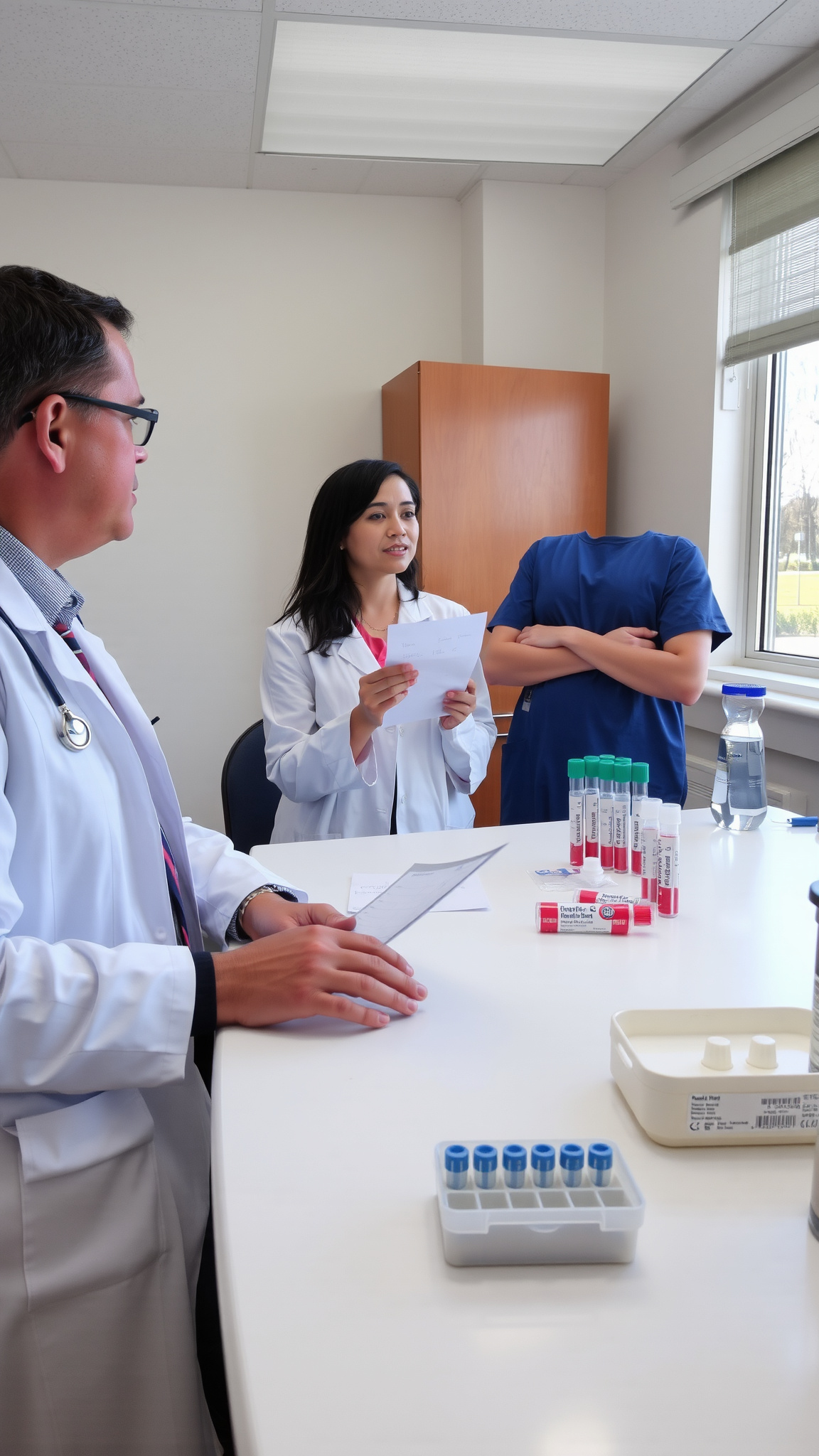
Your doctor may use one or more of the following blood tests:
Fasting Blood Glucose Test
- Normal: below 100 mg/dL
- Prediabetes: 100–125 mg/dL
- Diabetes: 126 mg/dL or higher
Hemoglobin A1C (HbA1c) Test
- Normal: below 5.7%
- Prediabetes: 5.7–6.4%
- Diabetes: 6.5% or higher
Oral Glucose Tolerance Test (OGTT)
This test measures blood sugar before and after drinking a glucose solution. If your blood sugar remains elevated after two hours, it suggests insulin resistance.
5 Diets to Reverse Prediabetes in 1 Year
Changing how you eat is one of the most effective ways to reverse prediabetes. The following five diet plans are backed by research for improving insulin sensitivity, reducing inflammation, and stabilizing blood sugar levels.
1. Mediterranean Diet
The Mediterranean diet focuses on nutrient-dense, whole foods. It includes:
- Fruits, vegetables, legumes, whole grains
- Olive oil as the main source of fat
- Lean proteins like fish and poultry
- Limited sugar and red meat
This diet is rich in antioxidants and healthy fats that protect the heart and improve insulin response. Studies show it can help lower A1C and fasting glucose over time.
Sample Day:
- Breakfast: Greek yogurt with berries and chia seeds
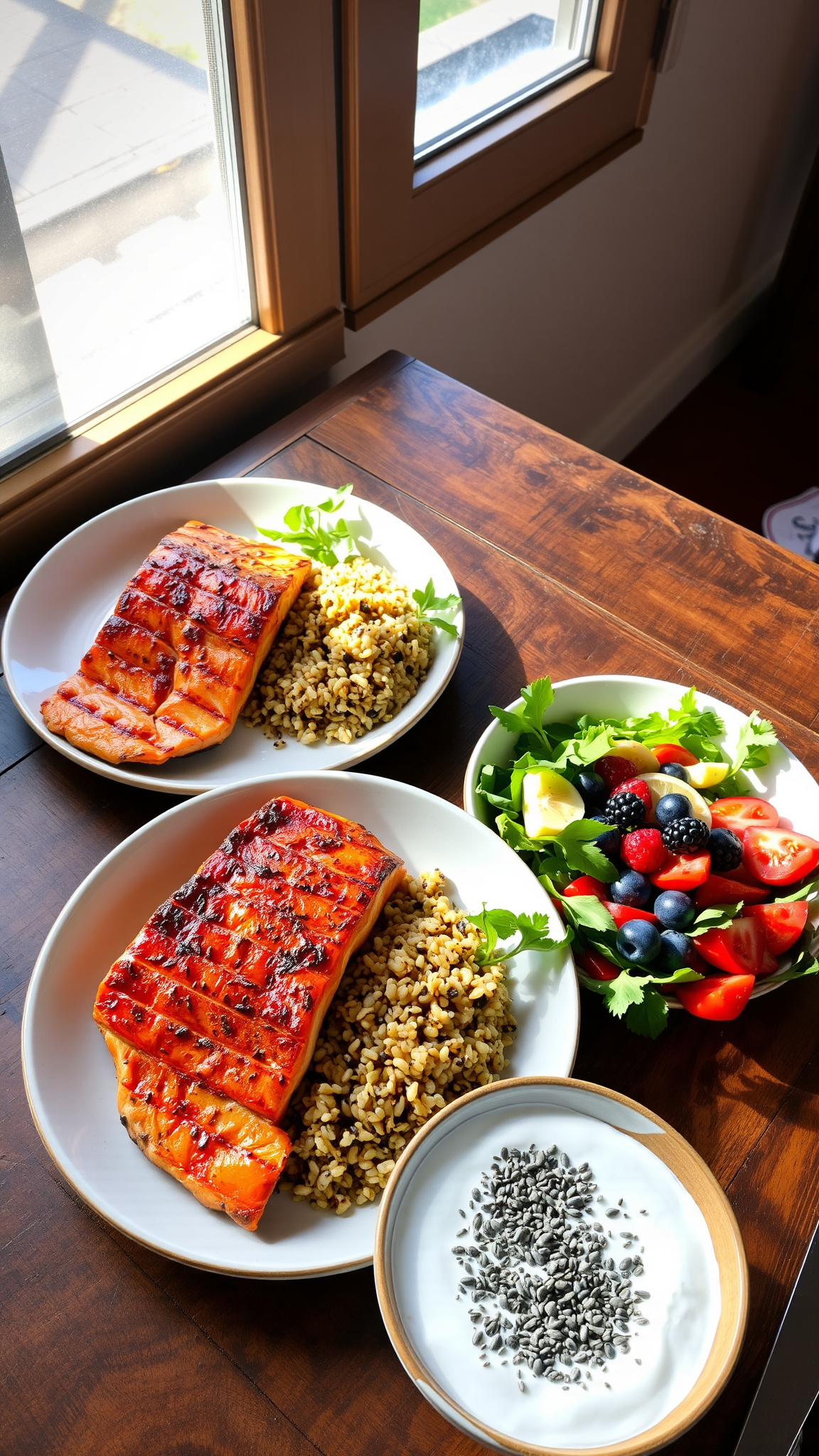
- Lunch: Grilled salmon with quinoa and spinach
- Dinner: Lentil soup with olive oil and whole-grain bread
2. Low-Carb Diet
A low-carb diet helps control blood sugar spikes by limiting refined carbohydrates. Instead, it emphasizes:
- Non-starchy vegetables
- Lean proteins
- Healthy fats like avocado, olive oil, and nuts
By reducing glucose intake, the body becomes more efficient at using insulin, improving blood sugar control.
Sample Day:
- Breakfast: Scrambled eggs with spinach and mushrooms
- Lunch: Chicken salad with avocado and olive oil dressing
- Dinner: Stir-fried tofu and broccoli with sesame oil
3. DASH Diet (Dietary Approaches to Stop Hypertension)
The DASH diet, known for lowering blood pressure, also benefits those with prediabetes. It focuses on:
- Fruits and vegetables
- Whole grains
- Low-fat dairy and lean protein
- Limited sodium and added sugars
This balance of nutrients supports heart health while helping regulate glucose and blood pressure.
Sample Day:
- Breakfast: Oatmeal with almond milk and blueberries
- Lunch: Turkey sandwich on whole-grain bread with salad
- Dinner: Baked cod with sweet potatoes and green beans
4. Plant-Based Diet
A plant-based diet centers around foods derived from plants, with minimal or no animal products. It includes:
- Vegetables, fruits, nuts, seeds, legumes, and whole grains
- Little to no processed or fried foods
High fiber from plant foods helps slow glucose absorption, preventing sudden sugar spikes.
Sample Day:
- Breakfast: Smoothie with banana, kale, and almond butter
- Lunch: Chickpea and quinoa salad
- Dinner: Stir-fried vegetables with brown rice and tofu
5. Intermittent Fasting (Time-Restricted Eating)
Intermittent fasting involves eating within set time windows — for example, fasting 16 hours and eating during an 8-hour window.
It reduces insulin levels between meals, allowing the body to burn stored fat for energy and improving insulin sensitivity.
Sample Plan:
- Eating Window: 10 AM – 6 PM
- Meals:
- 10 AM: Veggie omelet
- 2 PM: Grilled chicken with vegetables
- 6 PM: Lentil stew with brown rice
Lifestyle Tips to Support Reversal
Diet is the foundation, but pairing it with healthy habits multiplies your success.
Exercise Regularly
Aim for at least 150 minutes of moderate activity weekly — walking, cycling, or swimming all help your body use insulin efficiently.
Maintain a Healthy Weight
Losing even 5–10% of body weight can significantly reduce the risk of developing type 2 diabetes.
Prioritize Sleep and Stress Management
Poor sleep and chronic stress raise cortisol levels, which can spike blood sugar. Practice yoga, meditation, or deep breathing to stay calm and balanced.
Avoid Sugary Drinks
Replace soda, juices, and energy drinks with water, green tea, or sparkling water with lemon.
Monitoring and Tracking Progress
Tracking your progress helps you stay consistent and adjust your routine.
Blood Tests
Recheck fasting glucose and HbA1c every 3–6 months to evaluate improvements.
Food Journal
Write down your meals and track how they affect your blood sugar and energy levels.
Frequently Asked Questions
Can Prediabetes Be Reversed?
Yes. With consistent lifestyle changes and healthy eating, most people can bring their blood sugar levels back to normal.
How Long Does It Take to Reverse Prediabetes?
You can start seeing improvements in 3–6 months and full reversal within 12 months with steady progress.
Do I Need Medication?
Lifestyle changes are usually the first line of defense. Medication like metformin may be prescribed if your risk is higher.
Conclusion
Prediabetes is a signal — not a sentence. With the right dietary approach and consistent effort, you can restore balance and prevent type 2 diabetes.
Whether you choose the Mediterranean, Low-Carb, DASH, Plant-Based, or Intermittent Fasting approach, the key lies in consistency. Over the course of one year, these simple, evidence-based changes can reset your blood sugar and rebuild your long-term health naturally.


